Lumbar

Learn about Lumbar and your legal options after an accident.

Lumbar injuries affect the lower back and are among the most common injuries following accidents. Because the lumbar spine supports body weight and movement, injuries in this area can severely impact mobility, work ability, and daily function.
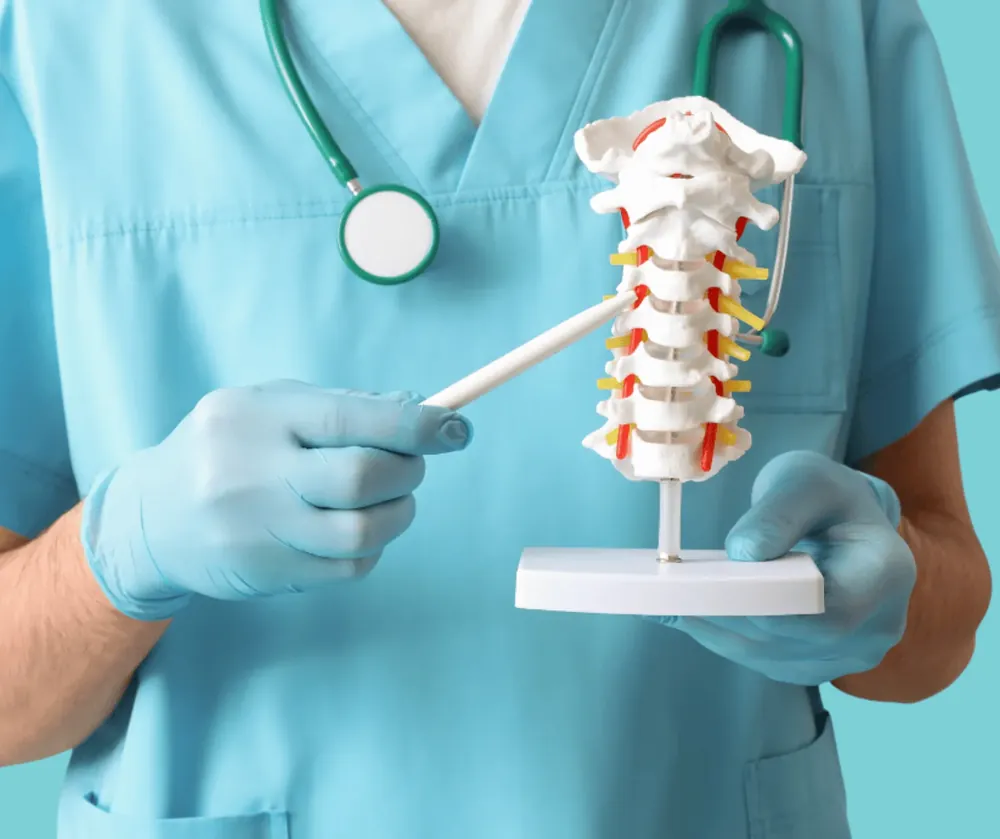
Lumbar image
Documentation and treatment details can significantly affect claim value.

Intro

Lumbar injuries affect the lower back and are among the most common injuries following accidents. Because the lumbar spine supports body weight and movement, injuries in this area can severely impact mobility, work ability, and daily function.

Understanding Lumbar Spine Injuries

The lumbar spine consists of five vertebrae that bear significant mechanical stress. Trauma can cause muscle strains, disc injuries, nerve compression, or fractures. Symptoms often include lower back pain, leg pain, stiffness, weakness, or reduced range of motion.

Lumbar injuries frequently worsen with prolonged sitting, standing, or lifting. Many victims struggle to return to work, especially in physically demanding jobs. Imaging and physical exams are essential to identify underlying structural damage.

From a legal standpoint, lumbar injury claims often involve disputes over severity and causation. Consistent treatment and functional limitations help demonstrate impact and support compensation claims.

Were you rear-ended by another driver?

Find out how much compensation you may be entitled to.

What to Do Next

Seek medical evaluation, avoid aggravating activities, and track work limitations caused by the injury.

Frequently Asked Questions

It varies, and healing can be slow, especially when discs or nerves are involved rather than just muscle strain. Because the lumbar spine bears significant mechanical stress from body weight and movement, injuries here often worsen with prolonged sitting, standing, or lifting, which can extend recovery. Imaging and physical exams are used to identify the underlying structural damage, and tracking how symptoms respond to activity helps show whether healing is progressing.

Yes. When trauma to the lumbar spine compresses nearby nerves, pain frequently radiates from the lower back into the legs, often alongside weakness, stiffness, or reduced range of motion. This is a common pattern with lumbar disc injuries and nerve compression specifically, distinct from a simple muscle strain. Imaging and a physical exam help pinpoint which structures are involved, which matters for figuring out the right treatment approach.

It frequently limits work capacity, especially in physically demanding jobs that involve prolonged sitting, standing, or lifting, all of which tend to aggravate lumbar symptoms. Because the lumbar spine supports body weight and everyday movement, injuries here can directly interfere with routine job tasks even when the injury itself isn't visible externally. Tracking specific work limitations caused by the injury, alongside medical evaluation, helps document that functional impact over time.

Some resolve with treatment, while others cause chronic pain, particularly when the injury involves disc damage or nerve compression rather than a simple strain. Because the lumbar spine is under constant mechanical stress from daily movement, symptoms can persist or resurface even after initial improvement. Avoiding aggravating activities and following through on medical evaluation are the main ways to track whether a lumbar injury is trending toward resolution or ongoing limitation.

Get the Compensation You Deserve

Our experienced rear-end collision attorneys are ready to fight for you. No fee unless you win.

Call Now Free Review