Commercial Truck Accident Claims
Commercial truck crashes often involve semis, tractor-trailers, motor carriers, and records that can disappear quickly. Truck claims usually turn on carrier oversight, driver conduct, maintenance, cargo, and federal safety rules.
Commercial Truck Accident Claims
Commercial truck claims focus on semis, tractor-trailers, delivery rigs, and the companies that put them on the road. These crashes often require driver logs, electronic logging device data, maintenance files, load information, and carrier policies to understand why the collision happened and who may be liable. For the broader rules that apply across company cars, vans, buses, and other fleet vehicles, see our guide to commercial vehicle accident claims.
The Assumption Almost Everyone Gets Wrong
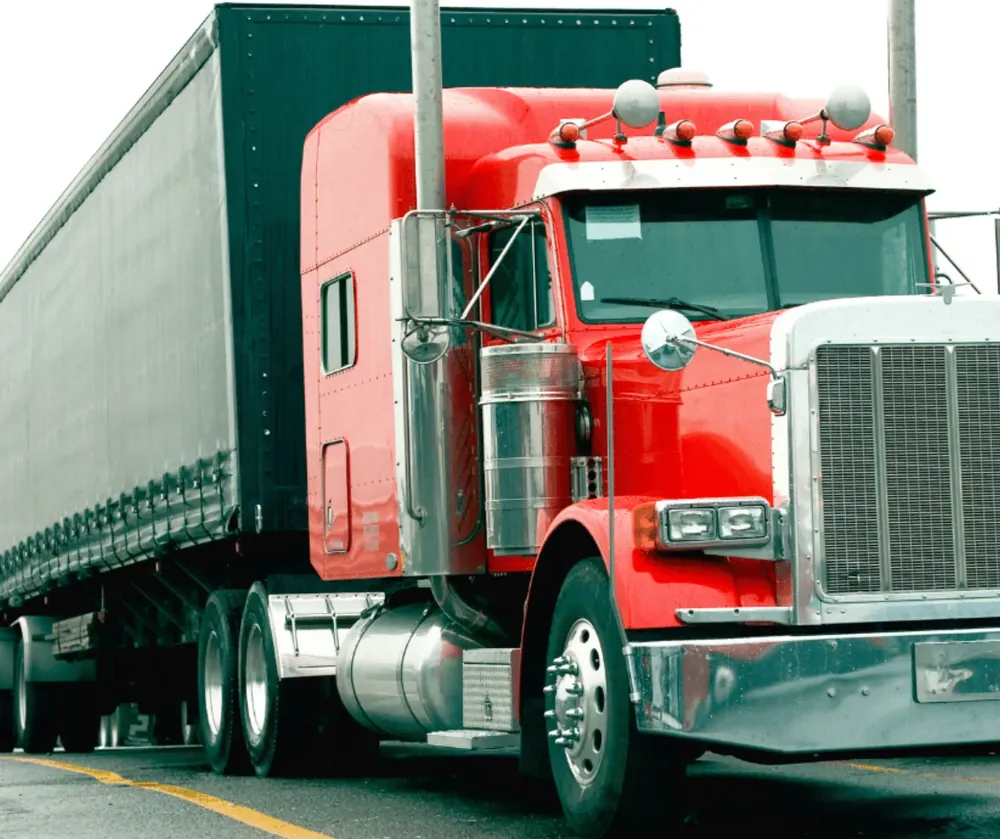
Picture a semi-truck crash. Most people picture the trucker. The federal data says otherwise, and the gap between what we assume and what actually happens shapes almost everything about how these claims are handled.
In 2024, 3,664 people died in crashes involving a Class 8 vehicle in the United States, the weight class that covers tractor-trailers and semis. Of those, 3,124 were not in the truck. That is 85.3 percent. They were in the other car. They were crossing the street. They were on a bicycle.
This is not a one-year fluke. Running the same analysis on the 2023 file returns 84.5 percent. The pattern holds year after year, and it comes down to physics that no amount of careful driving in a sedan can overcome. A loaded tractor-trailer can weigh 20 to 30 times what a passenger car weighs. When the two meet, the energy has to go somewhere, and it goes into the smaller vehicle.
An important caveat, stated plainly: this data describes outcomes, not blame. The federal crash file records who was hurt and what happened. It does not record who caused the crash. Plenty of these collisions were caused by the car, not the truck. What the numbers establish is who tends to pay the price when a collision occurs, which is a separate question from fault and matters enormously if you are the person left injured.
Figures from our own analysis of the NHTSA Fatality Analysis Reporting System. Full method and state-by-state table: Who Actually Dies in Large Truck Crashes.
Where and When These Crashes Actually Happen
Two findings in the 2024 data contradict what most people expect, and both matter if you are trying to understand your own crash.
It is usually daylight, not the small hours
The mental image is an exhausted driver fighting sleep at three in the morning. The data points somewhere else entirely. The five deadliest hours for fatal Class 8 crashes in 2024 were noon (199 crashes), 2pm (192), 7am (185), 1pm (176) and 3pm (162). These are ordinary working hours on ordinary roads.
Fatigue still matters, and hours-of-service violations remain one of the most important things to investigate in any truck case. But fatigue does not only strike at night. The mid-afternoon dip is well documented in sleep research, and a driver who started at 4am is deep into their day by lunchtime.

It is more rural than urban
Of the 3,267 fatal Class 8 crashes in 2024, 1,858 happened on rural roads and 1,392 in urban areas. Rural roads carry less traffic but higher speeds, more undivided two-lane highways, and longer emergency response times. A crash that might be survivable ten minutes from a trauma centre often is not when the nearest one is an hour away.
This has a practical consequence people rarely think about. Rural crashes are more likely to be investigated by a small local agency rather than a dedicated commercial vehicle unit. The initial report may be thinner, and the truck-specific evidence discussed below is less likely to be preserved on its own.
Why a Truck Crash Is Not Just a Bigger Car Crash
Everything about a commercial truck collision differs from a car accident: the physics, the paperwork, the number of companies involved, and the speed at which critical evidence disappears.
A fully loaded tractor-trailer travelling at highway speed needs roughly the length of two football fields to stop. It has blind spots on all four sides large enough to conceal an entire vehicle. It cannot swerve the way a car can without risking a rollover or a jackknife. These are not driver failings; they are properties of the machine, and they create crash types that simply do not exist in passenger-car cases.
- Underride — a car slides beneath the trailer, and the point of impact is the passenger compartment rather than the engine block designed to absorb it.
- Jackknife — the trailer swings out of line with the cab and sweeps across lanes, striking vehicles that were never behind the truck to begin with.
- Wide-turn squeeze — the truck swings left to make a right turn and closes the gap on a vehicle or cyclist alongside it.
- Cargo failure — improperly secured freight shifts, spills, or departs the trailer entirely.
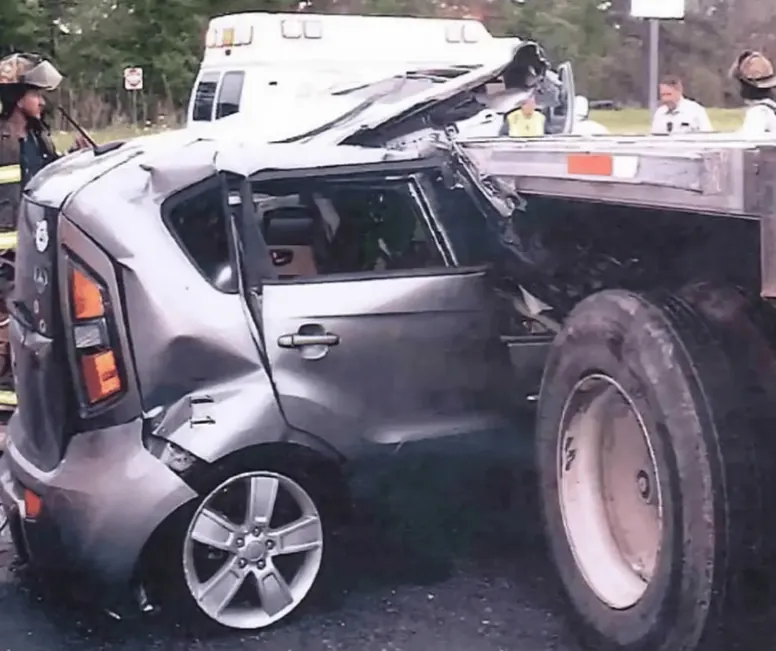
Each of these leaves a different evidentiary footprint. An underride case may turn on whether the rear guard met federal standards and whether it had been damaged in an earlier incident and never repaired. A jackknife case may turn on brake balance and road surface. Knowing which type of crash occurred determines what needs to be preserved, and it needs to be determined quickly.
The Companies Behind the Truck: Who Can Actually Be Liable
In a typical car accident there are two drivers and two insurers. In a truck case there may be six or seven separate businesses, each with its own insurance and its own lawyers, and identifying them early is often what determines whether a claim goes anywhere.
Depending on the facts, responsibility can extend to:
- The motor carrier that employed the driver, including for negligent hiring, inadequate training, or dispatch schedules that made compliance with hours-of-service rules impractical.
- The owner of the tractor or trailer, which is frequently a different company from the carrier operating it.
- A maintenance contractor responsible for brakes, tyres, lighting, or the underride guard.
- The shipper or loading company, where cargo weight or securement contributed to the crash.
- A freight broker that arranged the load, in some circumstances.
- A parts manufacturer, where a component failed.
This matters for a practical reason. Interstate motor carriers are required to carry far higher minimum liability coverage than ordinary drivers. When injuries are severe, the available coverage from a private motorist is often exhausted almost immediately by medical costs alone. The carrier and the other companies in the chain are frequently where meaningful coverage actually sits.
It also explains why these claims are contested so hard. More available coverage means more incentive to dispute liability, and carriers often have investigators working the scene the same day.
The Evidence That Decides These Cases, and How Fast It Disappears
This is the section that matters most if you are reading this soon after a crash. Truck cases are won and lost on records that ordinary car accidents never involve, and several of those records have a limited lifespan.
Records that decide truck claims
- Electronic logging device (ELD) data showing hours driven and rest taken
- The engine control module, the truck’s "black box", recording speed, braking and throttle
- Driver qualification files, training records and prior violations
- Inspection and maintenance histories for tractor and trailer
- Dispatch communications and route instructions
- Cargo manifests, weight tickets and securement records
- Drug and alcohol testing conducted after the crash

The problem is retention. Federal rules require carriers to keep certain records for defined periods, and once those periods lapse the records can lawfully be discarded. Some electronic data is overwritten in the normal course of operation, sometimes within weeks. The truck itself may be repaired, repainted or sold before anyone has examined it, and once that happens the physical evidence is simply gone.
This is why the single most useful early step in a serious truck case is usually a preservation letter, a formal notice to the carrier that specific records and the vehicle itself must be retained. It is also why waiting is costly in a way that has nothing to do with the filing deadline. You can be comfortably inside your state’s statute of limitations and still have lost the evidence that would have proven the claim.
Federal Safety Rules and Why Violations Matter
Interstate trucking is governed by the Federal Motor Carrier Safety Administration, which sets rules covering how long a driver may operate without rest, how vehicles must be inspected and maintained, who is qualified to drive, and how cargo must be secured.
A documented violation does not automatically decide a case. It does provide something unusually persuasive: evidence, generated by the industry’s own compliance system, that a rule designed to prevent exactly this kind of harm was not followed. Violations commonly surface through roadside inspection records and the carrier’s own filings, which is another reason those records are worth preserving early.
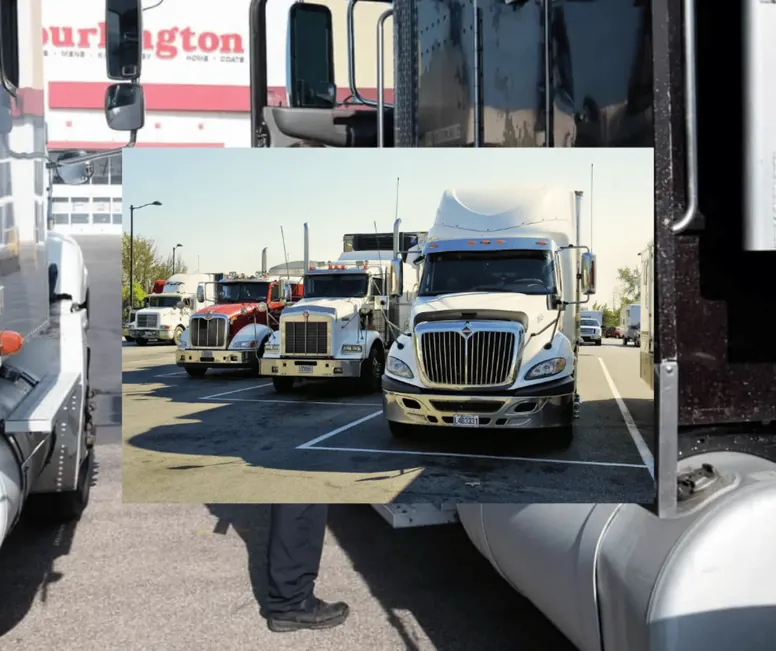
Common violation categories that show up in crash investigations include hours-of-service breaches, brake and tyre defects, lighting and reflector failures, cargo securement problems, and gaps in driver qualification or testing.
What to Do If You Have Been Hit by a Commercial Truck
The honest version: most of what determines a truck claim happens in the first weeks, and most people are in no condition to be thinking about evidence during them. If you can do nothing else, do the first and last items on this list.
- Get medical attention and keep going. Gaps in treatment are the single most common thing insurers use to argue an injury was not serious. Some serious injuries, including brain and spinal injuries, present days later.
- Record what you can. Photographs of both vehicles, the company name and USDOT number on the truck door, the trailer number, road conditions, and any visible damage to the underride guard.
- Get the police report number and the investigating agency.
- Write down what you remember while it is fresh, including the time of day and what the truck was doing before impact.
- Be careful with recorded statements. The carrier’s insurer may contact you quickly. You are not obliged to give a recorded statement to another party’s insurer before you understand your position.
- Act quickly on preservation. This is the one that cannot be recovered later. Every state sets its own filing deadline, and shorter notice periods can apply when a government vehicle or public road authority is involved, but the evidence clock usually runs faster than the legal one.
You can get a sense of what a claim like yours may involve using our settlement calculator, or read more about how FMCSA violations affect claims.
How This Looks in the Highest-Volume States
Fatal truck crashes are concentrated, and the share of victims who were outside the truck stays remarkably consistent across very different states.
| State | Total deaths | Not in the truck | Share |
|---|---|---|---|
| Texas | 478 | 406 | 84.9% |
| California | 248 | 233 | 94.0% |
| Florida | 220 | 200 | 90.9% |
| Georgia | 134 | 122 | 91.0% |
| Ohio | 129 | 105 | 81.4% |
| Tennessee | 127 | 112 | 88.2% |
| Illinois | 122 | 102 | 83.6% |
| Pennsylvania | 121 | 105 | 86.8% |
| Missouri | 118 | 104 | 88.1% |
| North Carolina | 115 | 94 | 81.7% |
California stands out at 94 percent, the highest share in the country among states with meaningful volume. Texas carries the largest absolute toll by a wide margin. The full table for all 50 states and the downloadable data are on our research page.
Rules differ by state in ways that affect real claims, including how shared fault is handled and how long you have to file. Our state guides cover those differences.
The Point of All This
The 85.3 percent figure is not an argument that truck drivers are dangerous people. Most are careful professionals doing a demanding job, and the federal data does not tell us who caused any individual crash.
What it does tell us is who ends up carrying the consequences. When a tractor-trailer and a passenger car collide, the person in the car is overwhelmingly the one who does not walk away. If that person is you, or someone in your family, the case you are now dealing with is not a bigger version of a car accident claim. It involves more companies, more insurers, more federal regulation, and a set of records that starts disappearing almost immediately.
Cash4Crashes is not a law firm and nothing here is legal advice. We connect people injured in crashes with attorneys in our network who handle these cases, at no cost to you. If you want someone to look at what happened, the form below is the fastest way to start, or you can call (877) 611-4299.
Were you injured in a Commercial Truck Accidents?
Get a free case evaluation from an experienced attorney today.
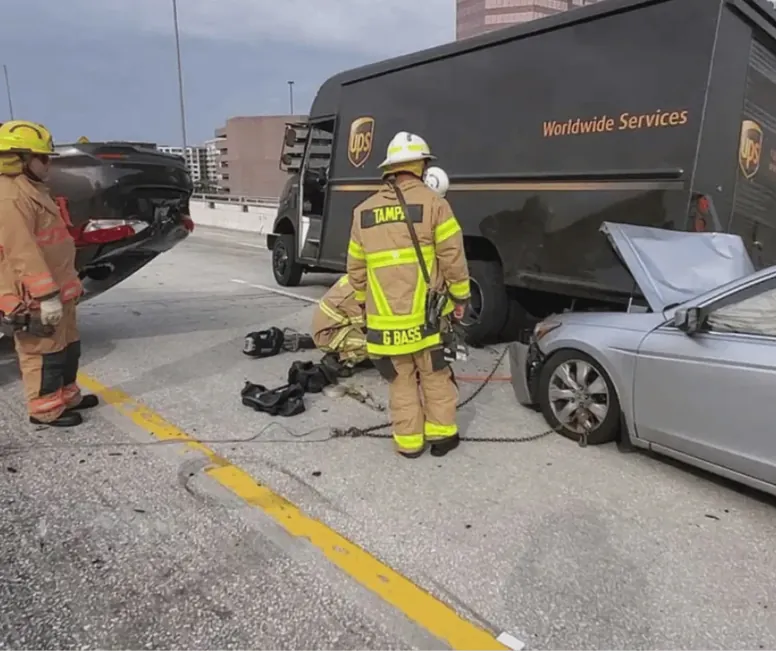
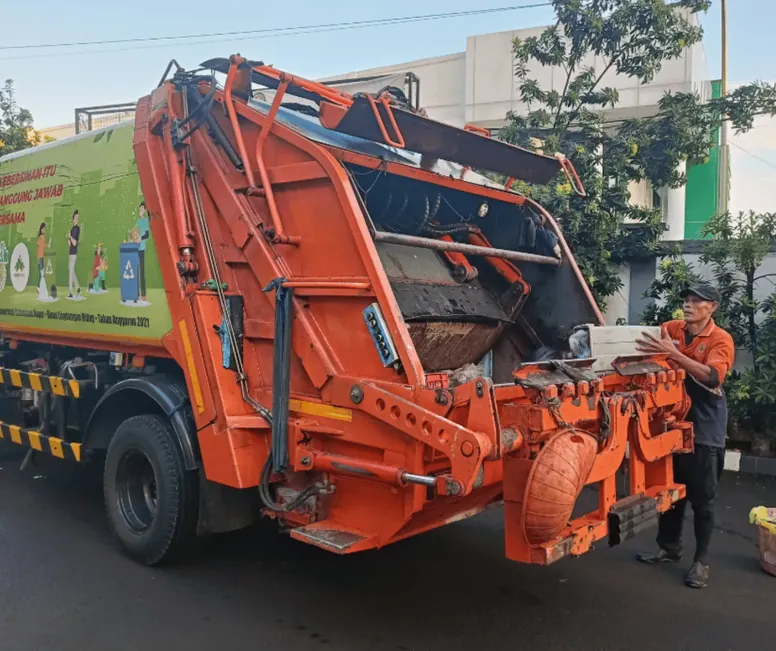
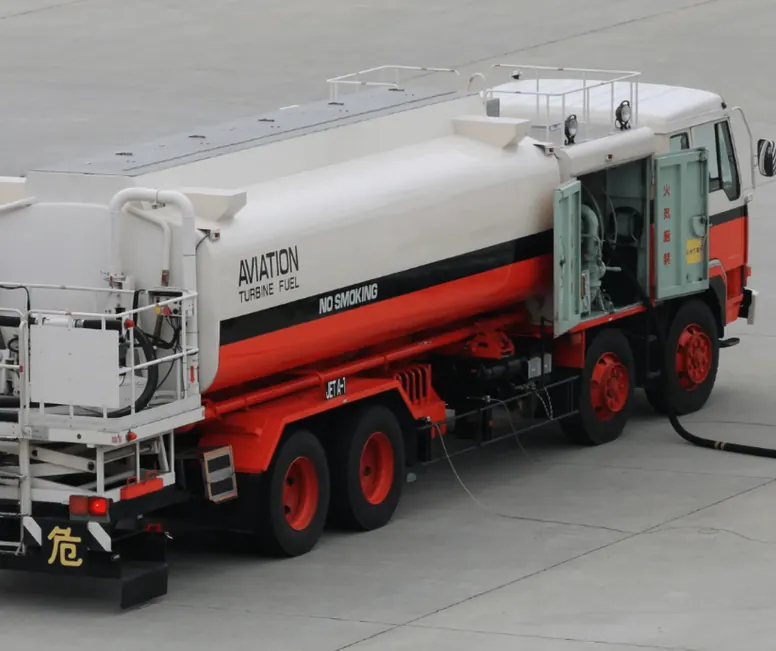
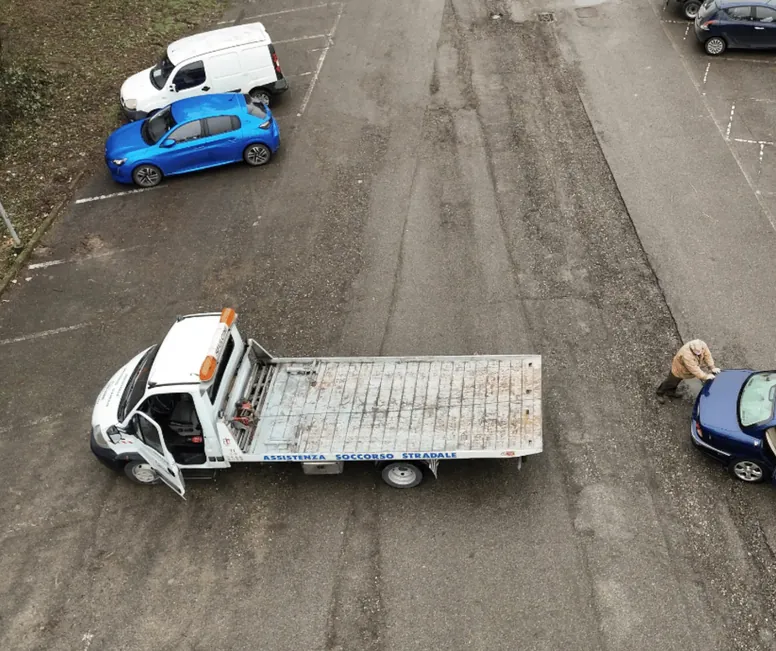
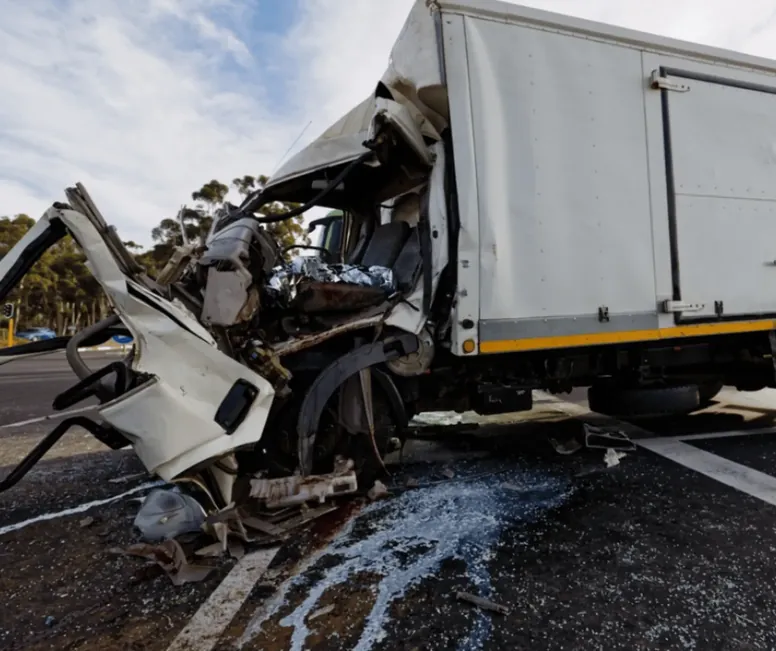
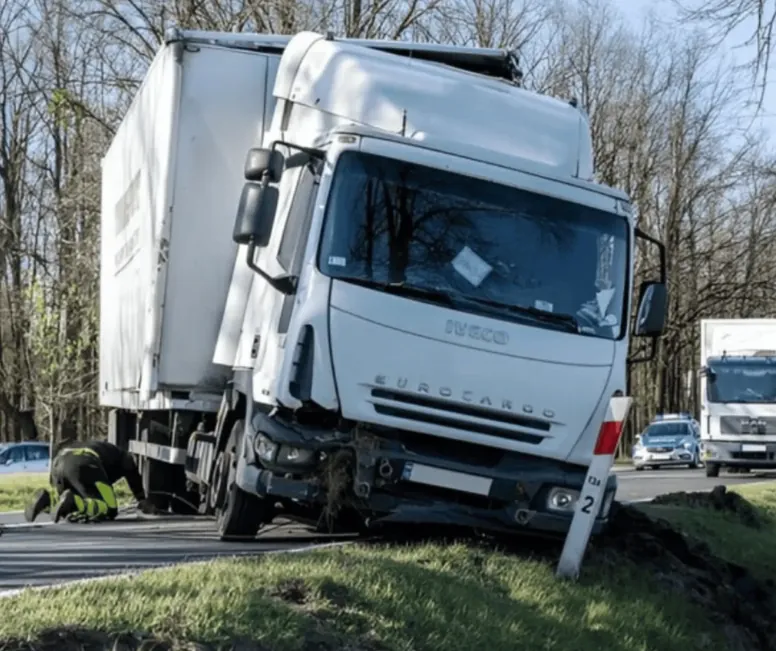
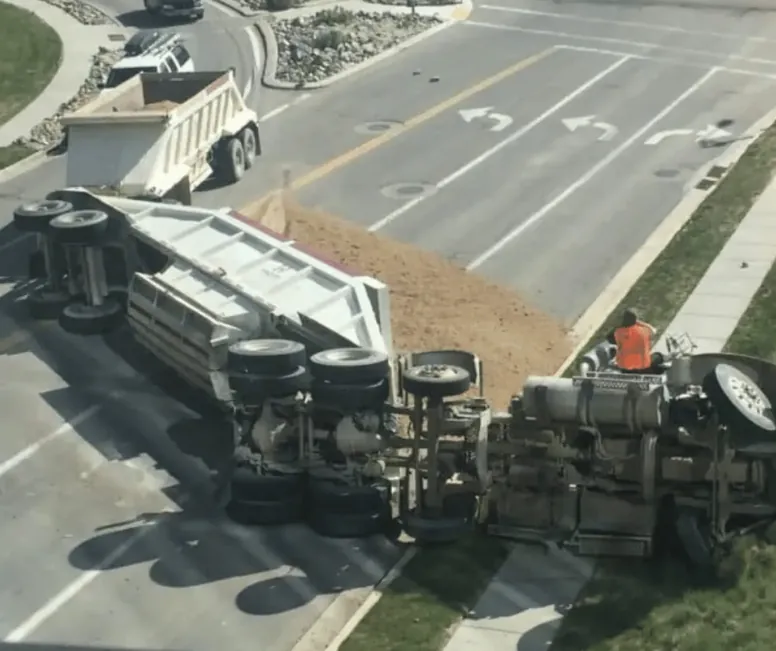
Types of Commercial Truck Accidents


Frequently Asked Questions
Injured in a Commercial Truck Accidents? We Can Help.
Our network of experienced attorneys has recovered millions for car accident victims. Get your free case review today.

