Commercial Vehicle Accident Claims
Commercial vehicle accidents can involve company cars, delivery vans, fleet pickups, buses, construction vehicles, and larger commercial trucks. Because the driver may be working for a business, these claims often require evidence that goes beyond an ordinary car crash.
Commercial Vehicle Accident Claims
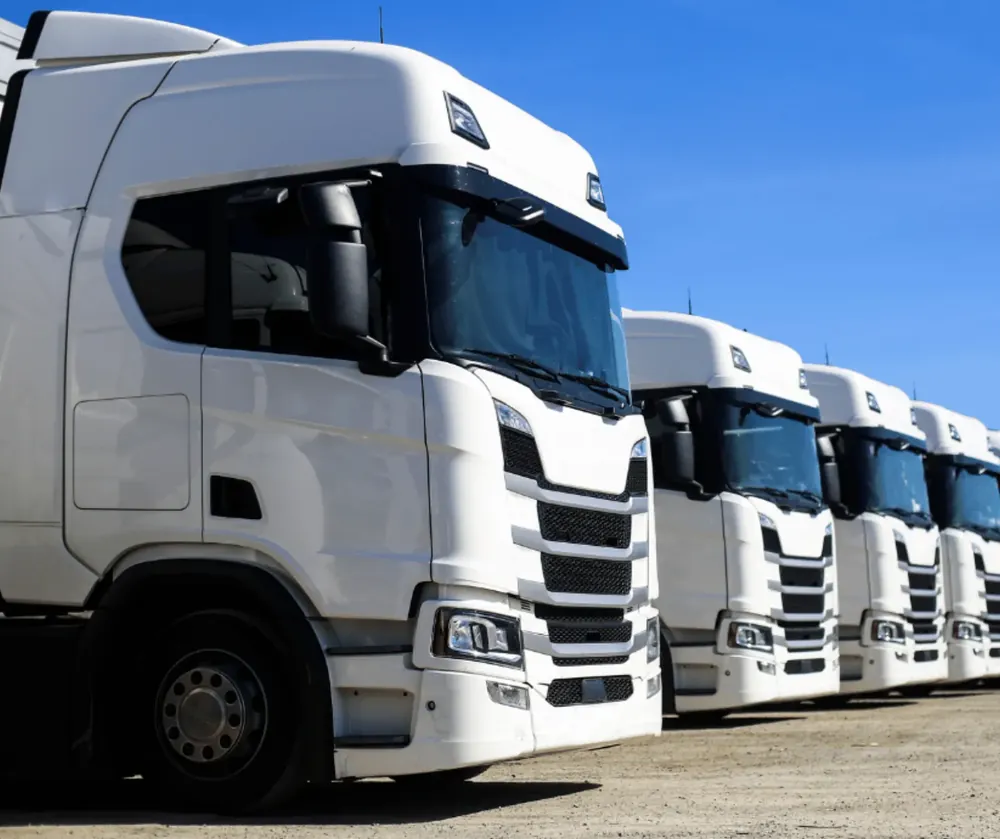
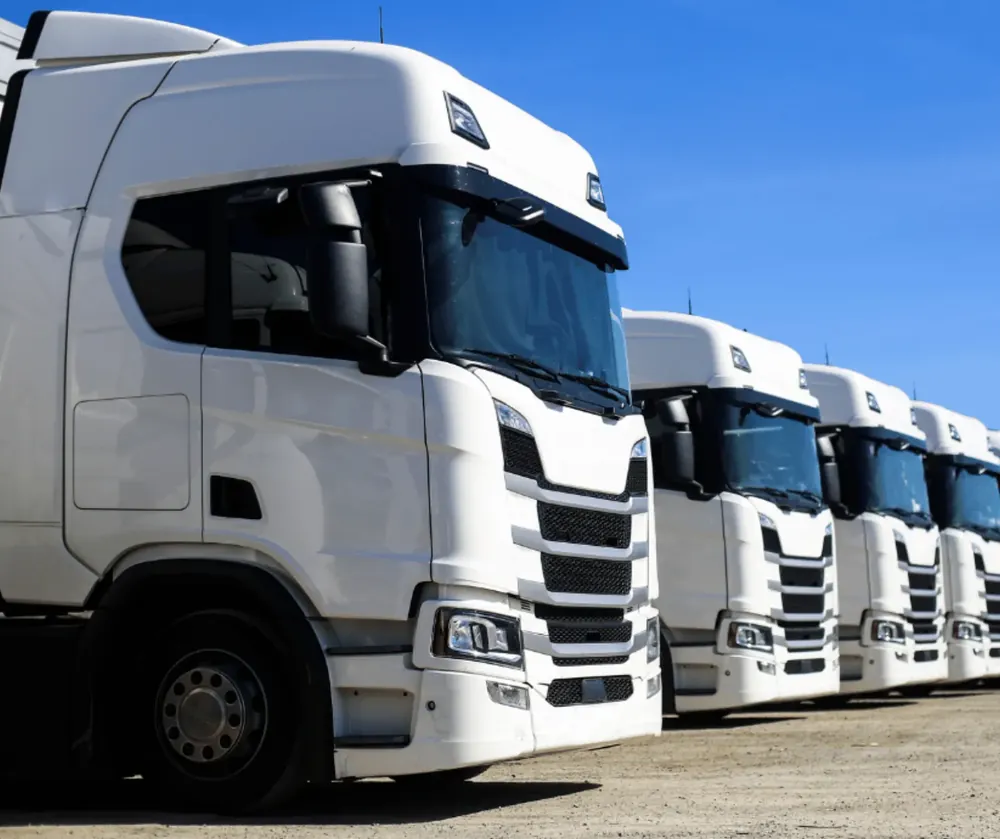
A commercial vehicle accident is a crash involving a vehicle being used for work or business, such as a company car, delivery van, fleet vehicle, bus, construction vehicle, or larger truck. These claims often involve more than the driver, which makes it important to preserve the company name, vehicle number, photos, witness information, and any records that may later show who controlled the vehicle. If the crash involved a tractor-trailer or other large rig, our guide to commercial truck accident claims covers the truck-specific evidence and carrier issues that often come up.
Were You Injured in a Commercial Vehicle Accident?
Get a free case review and learn which company records may matter before evidence disappears.
What Counts as a Commercial Vehicle?
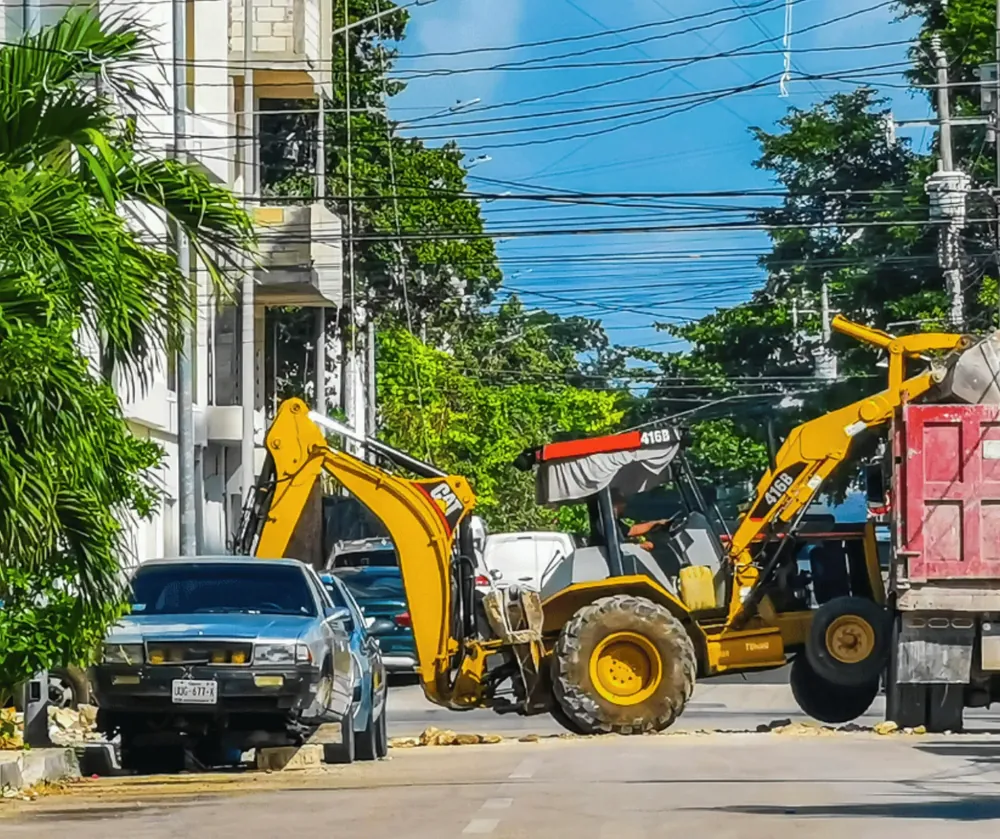
A commercial vehicle is not limited to semis. It can include company sedans, sales cars, delivery vans, utility trucks, fleet pickups, shuttle buses, charter buses, work-zone equipment, and other vehicles being used in the course of business. The key issue is often whether the driver was working, making deliveries, transporting passengers, or operating on behalf of a company when the crash happened.
How Commercial Claims Differ From Ordinary Car Accident Cases
Commercial claims often involve business insurance, employer policies, route schedules, maintenance rules, and records that do not exist in a typical two-car collision. A company may have separate safety procedures, dispatch instructions, subcontractor agreements, or vehicle ownership documents that help show why the crash happened and who should answer for it.
Who May Be Liable After a Commercial Vehicle Crash
Responsibility may fall on the driver, the employer, the company that owned or leased the vehicle, a maintenance provider, or another business that controlled loading, routing, or supervision. In truck cases, questions about trucking company liability often turn on whether the carrier hired, trained, monitored, or pressured the driver in ways that contributed to the collision.
Need Help Sorting Out Commercial Vehicle Accident Liability?
A quick review can help identify whether the driver, employer, vehicle owner, or another company may be responsible.
What Evidence Matters in a Commercial Accident Claim
Photos, police reports, witness names, dashcam footage, repair records, dispatch messages, maintenance files, employment records, and insurance information can all matter. If the vehicle was a large rig, records tied to semi-truck accident evidence may include driver logs, electronic logging device data, inspection reports, cargo paperwork, and preservation requests sent before those records disappear.
What To Do After the Accident
Get medical care right away, follow treatment instructions, and document how the injuries affect work and daily life. Keep photos, receipts, and claim communications. Try to identify the business connected to the vehicle, not just the driver. In a commercial crash, early action often makes the difference between having the right records and losing access to them.
Types of Commercial Vehicle Accidents

Need Help Understanding Your Commercial Vehicle Accident Claim?
Review your options after a crash involving a company car, delivery van, bus, construction vehicle, or commercial truck.

