Dental

Learn about Dental and your legal options after an accident.

Dental injuries occur when teeth or supporting structures are damaged during accidents. Common causes include car crashes, falls, and sports injuries. These injuries may result in chipped, fractured, or knocked-out teeth, causing pain, difficulty eating, and long-term dental complications if left untreated.
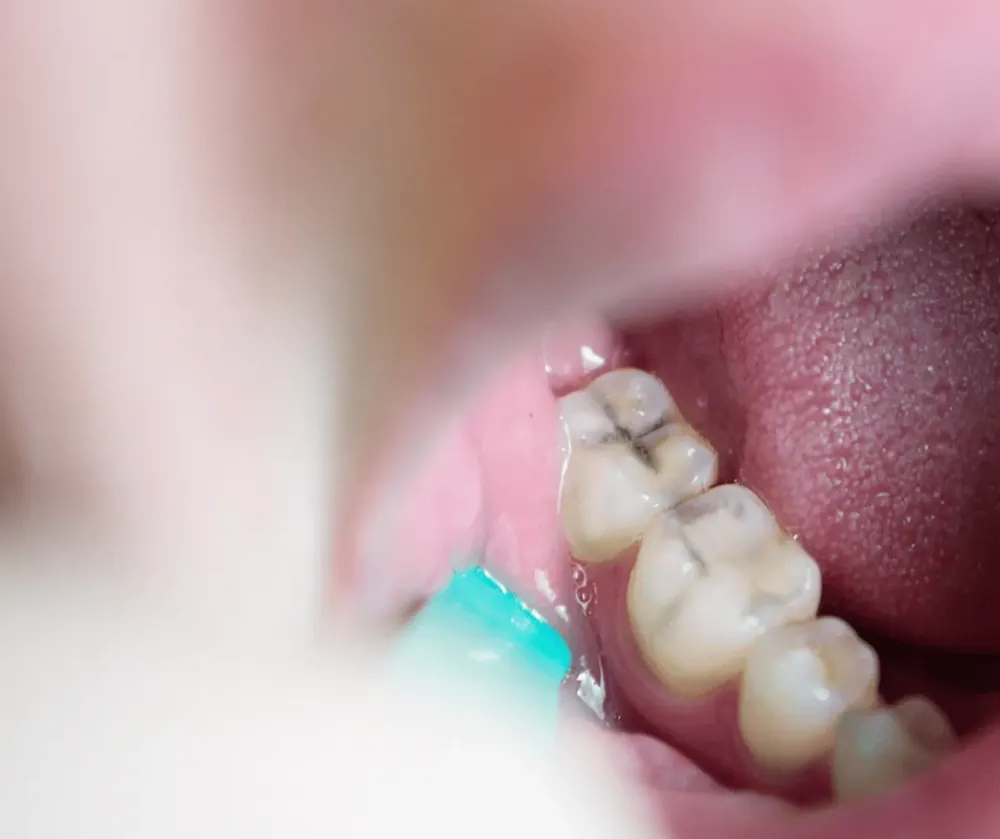
Dental image
Documentation and treatment details can significantly affect claim value.

Understanding Dental Injuries

Dental injuries can vary from minor chips to complete tooth avulsions (knocked-out teeth). They may also include damage to gums, roots, or jawbones. Immediate treatment is crucial to preserve tooth structure, prevent infection, and maintain proper alignment. Emergency dental care may involve splinting loose teeth, performing root canals, or restoring teeth with crowns or implants.

Long-term care often involves follow-up dental procedures, pain management, and sometimes orthodontic treatment. Proper documentation of dental records, X-rays, and treatment costs is important when pursuing accident claims. Compensation can cover dental repair, ongoing care, lost income, and related pain or suffering. Timely action improves the likelihood of successful restoration and strengthens injury claims.

What to Do Next

See a dentist or oral surgeon immediately after injury. Keep detailed records of treatments, imaging, and recovery progress for your claim.

Were you rear-ended by another driver?

Find out how much compensation you may be entitled to.

Frequently Asked Questions

They can be, when a crash, fall, or similar incident caused the damage. Compensation may cover dental repair such as crowns, implants, or root canals, along with follow-up care and lost wages if the injury affected work. Dental injuries range from a minor chip to a fully knocked-out tooth, and treatment costs scale with severity. Keeping dental records, X-rays, and itemized treatment costs is what ties the claim to the specific damage the accident caused.

Seek dental care immediately. A knocked-out tooth, known as an avulsion, may be able to be re-implanted if treated promptly, which is why timing matters more with this injury than with most others. Emergency dental treatment can involve splinting a loose tooth back into place, a root canal, or restoring the area with a crown or implant if re-implantation isn't possible. Delaying care reduces the chances of saving the natural tooth and often increases the extent of restorative work needed later.

Sometimes. Minor chips and fractures often need only restorative dental work, but more severe cases involving root damage or a fully avulsed tooth can require surgical intervention, root canals, or implants. Damage isn't always limited to the visible tooth either; gums, roots, or the jawbone itself can also be affected. An oral surgeon or dentist determines the treatment path based on X-rays and the extent of structural damage found during examination.

Recovery time depends heavily on severity: a minor chip may be repaired and healed within a single visit, while a knocked-out tooth requiring an implant can take months to fully restore, sometimes with orthodontic follow-up along the way. Long-term dental complications can develop if treatment is delayed, which is part of why immediate care after the injury matters. Documenting the full course of treatment, from the ER or dentist visit onward, supports the claim's timeline.

Get the Compensation You Deserve

Our experienced rear-end collision attorneys are ready to fight for you. No fee unless you win.

Call Now Free Review