Skull Fracture

Learn about Skull Fracture and your legal options after an accident.

A skull fracture occurs when a strong impact causes a break in the cranial bone. These injuries often accompany traumatic accidents and may involve underlying brain damage, bleeding, or infection risks depending on fracture severity.
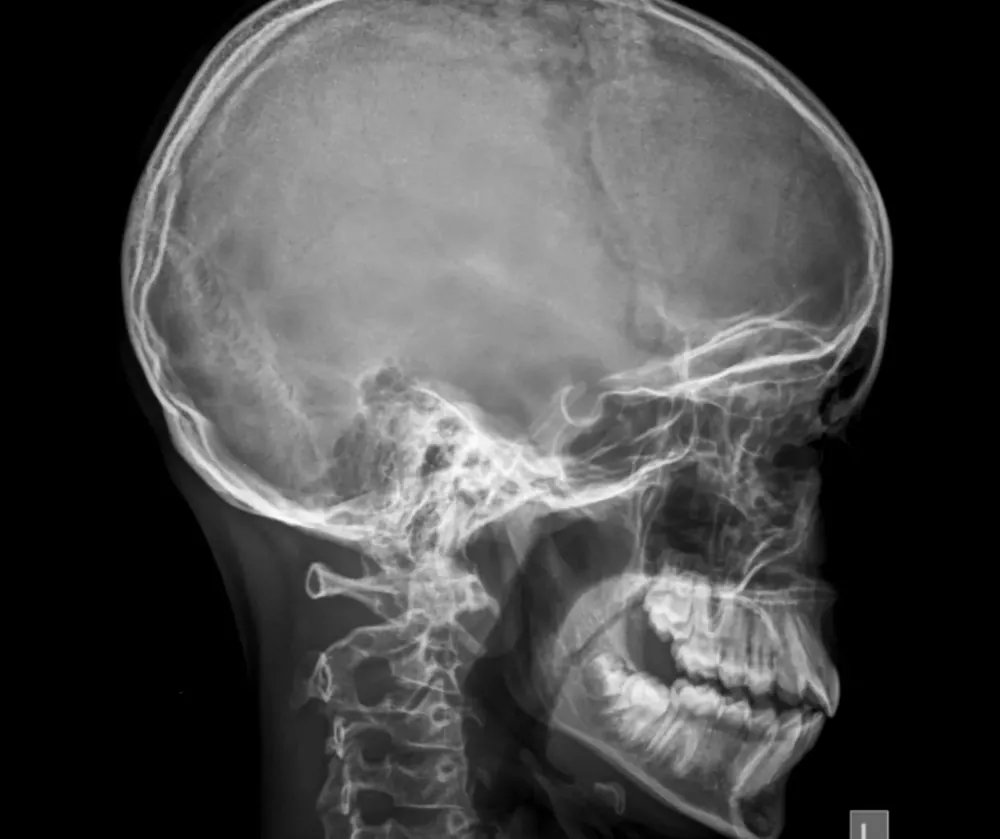
Skull Fracture image
Documentation and treatment details can significantly affect claim value.

Understanding Skull Fractures

Skull fractures result from significant force, commonly caused by vehicle crashes, falls, workplace incidents, or blunt trauma. Fractures may be linear, depressed, basilar, or compound, each presenting different risks and complications. Some skull fractures may appear minor but still involve serious internal injuries.

Symptoms may include swelling, bruising, bleeding from the nose or ears, headaches, confusion, nausea, or loss of consciousness. In severe cases, fragments of bone can press into brain tissue, increasing the risk of permanent neurological damage. Skull fractures also raise the risk of brain bleeding and infection.

Diagnosis typically involves imaging scans, and treatment varies from observation to emergency surgery. Because skull fractures often coexist with brain injuries, long-term effects may include cognitive deficits, sensory issues, or motor impairment. Legal claims often involve extensive medical care, rehabilitation, and long-term monitoring.

What to Do After a Skull Fracture

Seek emergency medical treatment immediately. Avoid moving the injured person unnecessarily, follow all medical instructions, and attend follow-up evaluations to monitor healing and neurological function.

Were you rear-ended by another driver?

Find out how much compensation you may be entitled to.

Frequently Asked Questions

Not always, but skull fractures can be serious and often require close monitoring due to the risk of bleeding, infection, or an underlying brain injury. Fractures may be linear, depressed, basilar, or compound, and some that appear minor on the surface still involve serious internal injuries. Symptoms like swelling, bruising, bleeding from the nose or ears, confusion, or loss of consciousness signal the need for emergency evaluation regardless of how the fracture initially looks.

Some skull fractures heal without surgical intervention, but medical supervision remains necessary to prevent complications like infection or bleeding. Treatment ranges from observation to emergency surgery depending on the fracture type and whether bone fragments are pressing into brain tissue. Diagnosis typically relies on imaging scans to determine severity and guide that decision, which is why emergency evaluation matters even when someone feels stable after the impact.

They can. Many skull fractures occur alongside a brain injury, depending on the force of impact and the type of fracture involved. In severe cases, bone fragments can press into brain tissue, increasing the risk of permanent neurological damage, and skull fractures generally raise the risk of brain bleeding and infection as well. Because of this overlap, long-term effects can include cognitive deficits, sensory issues, or motor impairment beyond the fracture itself.

Recovery varies widely, ranging from weeks to months depending on the severity of the fracture and whether it involves associated complications like bleeding or brain injury. Follow-up evaluations play a key role in monitoring healing and neurological function throughout that period. Because fractures that seem minor can still carry hidden risks, avoiding unnecessary movement early on and completing all recommended follow-up care supports a clearer picture of how recovery is actually progressing.

Get the Compensation You Deserve

Our experienced rear-end collision attorneys are ready to fight for you. No fee unless you win.

Call Now Free Review