Driving Phobia

Learn about Driving Phobia and your legal options after an accident.

Driving phobia can develop after a traumatic accident, causing intense fear or panic when driving or riding in vehicles. This condition limits independence, employment options, and daily activities, making it a serious psychological injury that may require professional treatment and legal consideration.
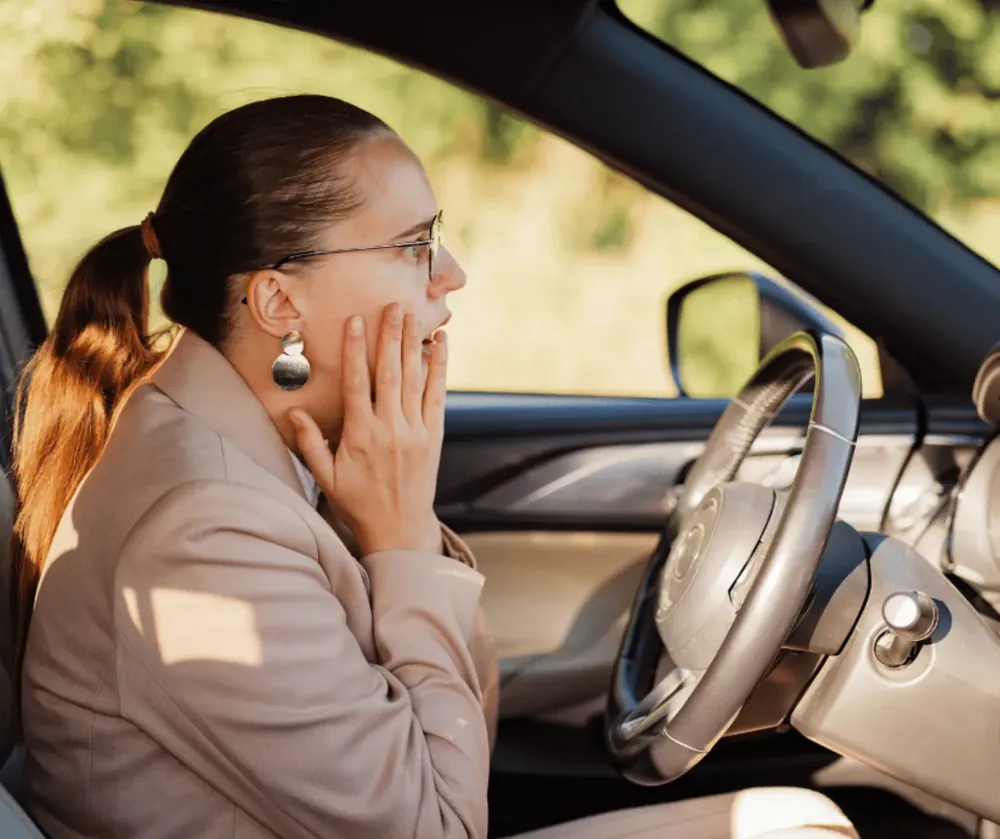
Driving Phobia image
Documentation and treatment details can significantly affect claim value.

Understanding Driving Phobia

Driving phobia, also known as vehophobia, is an anxiety disorder triggered by a traumatic driving experience. Symptoms include panic attacks, sweating, rapid heartbeat, avoidance of vehicles, and extreme distress when thinking about driving. Even being a passenger can trigger symptoms.

This condition often develops after severe accidents or near-miss incidents and may worsen without treatment. Diagnosis typically involves psychological evaluation, and treatment may include cognitive behavioral therapy, exposure therapy, and anxiety management techniques.

Driving phobia can severely impact employment, especially for individuals who rely on driving for work. In injury claims, compensation may include therapy costs, lost wages, and emotional distress damages. Demonstrating how the phobia restricts daily life and work is essential for a strong claim.

What to Do Next

Seek evaluation from a mental health provider experienced in trauma-related anxiety. Follow treatment recommendations and document how the condition limits driving, work, and daily independence.

Were you rear-ended by another driver?

Find out how much compensation you may be entitled to.

Frequently Asked Questions

Driving phobia, also called vehophobia, typically develops after a traumatic crash or a severe near-miss, triggering panic attacks, sweating, rapid heartbeat, and avoidance of vehicles entirely. Symptoms can appear even as a passenger, not just behind the wheel, which distinguishes it from ordinary post-accident caution. It is classified as an anxiety disorder, and without treatment it tends to worsen rather than fade on its own, especially if the person avoids driving situations that would otherwise help symptoms improve gradually.

A psychological evaluation from a mental health provider confirms the diagnosis, typically distinguishing it from general post-accident nervousness by assessing panic response, avoidance behavior, and distress severity. Treatment commonly includes cognitive behavioral therapy, exposure therapy, and anxiety management techniques aimed at gradually rebuilding tolerance for driving or riding in vehicles. Starting evaluation soon after the accident helps document that the phobia traces directly to the crash rather than a separate or pre-existing anxiety condition.

Yes, particularly when it limits someone's ability to work, since many jobs require driving or reliable transportation. Claims may account for therapy costs and lost wages tied to the phobia, alongside emotional distress connected to the restricted independence it causes. Because the condition is not physically visible, its impact on daily functioning, commuting, and employment needs to be documented directly rather than assumed, which is why a clear record of what the person can no longer do matters.

Psychological evaluations from a qualified provider, therapy records showing ongoing treatment, and specific documentation of how the phobia restricts driving, commuting, or job duties all support the claim. Because symptoms like avoidance and panic attacks are self-reported, consistency between provider notes and how the person describes daily limitations strengthens the record. Evidence tying the phobia's onset to the accident, rather than an unrelated or pre-existing fear, is central to establishing the connection.

Get the Compensation You Deserve

Our experienced rear-end collision attorneys are ready to fight for you. No fee unless you win.

Call Now Free Review