Delivery App Accidents

Delivery crashes can involve multiple policies depending on whether a driver was on an active delivery.

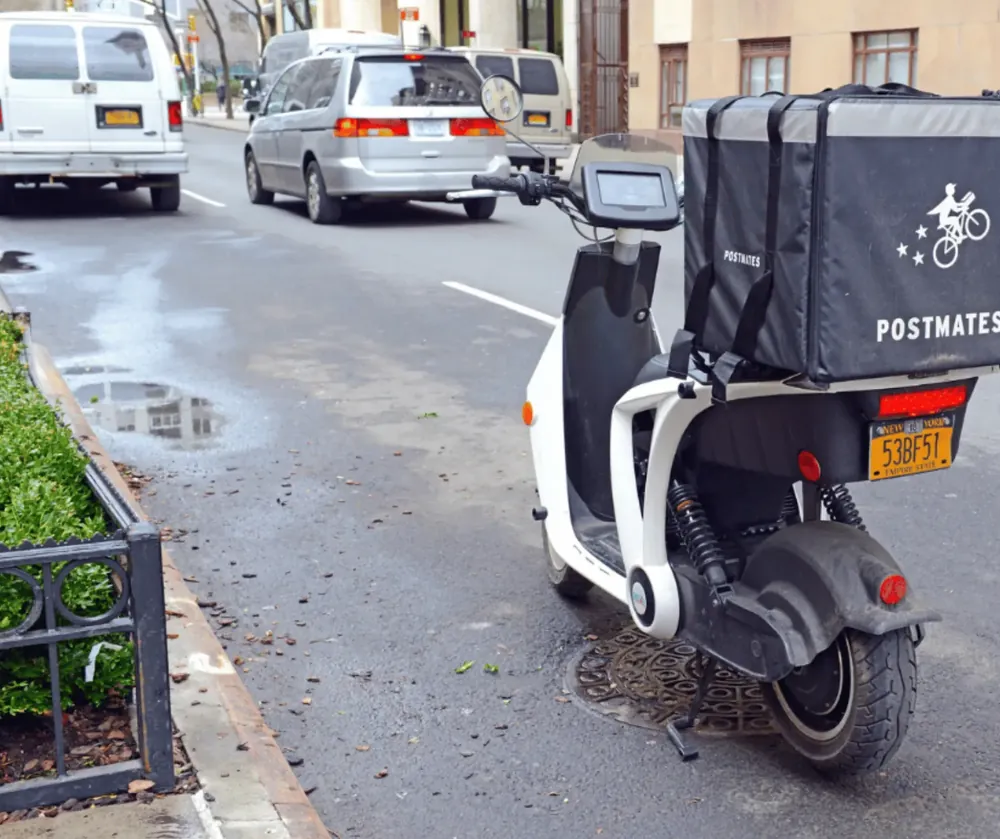
Delivery app accidents involve drivers working for platforms like DoorDash, Instacart, Grubhub, and Postmates. These cases often involve complicated insurance and liability issues.
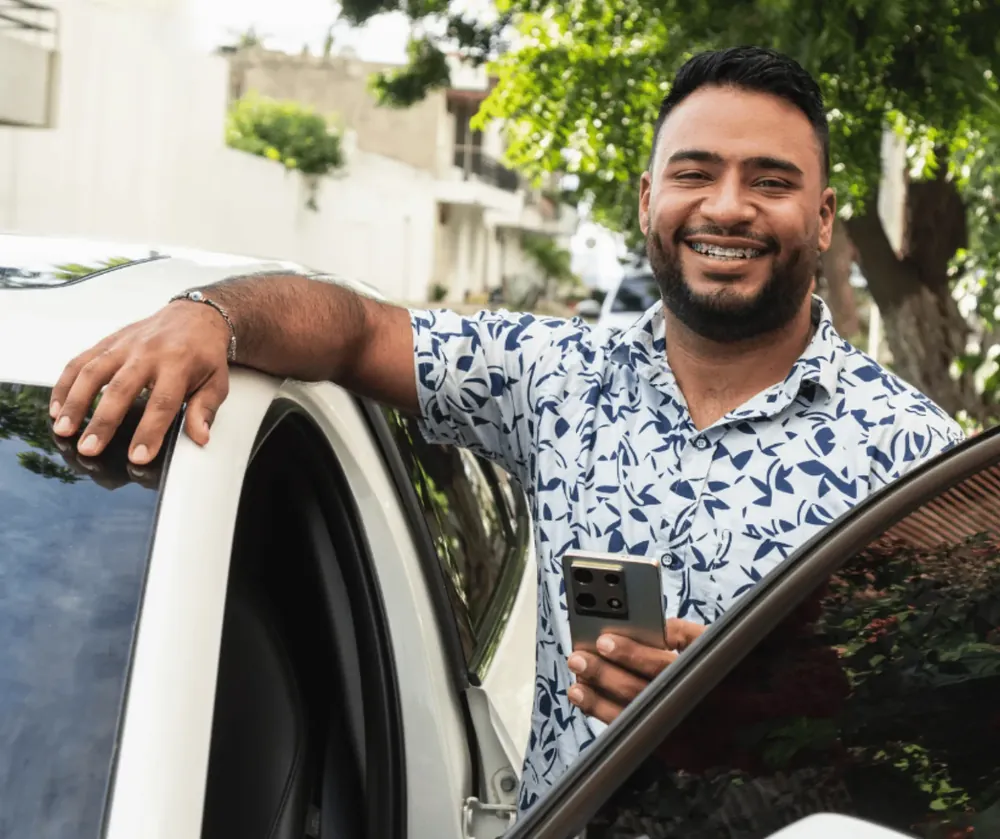
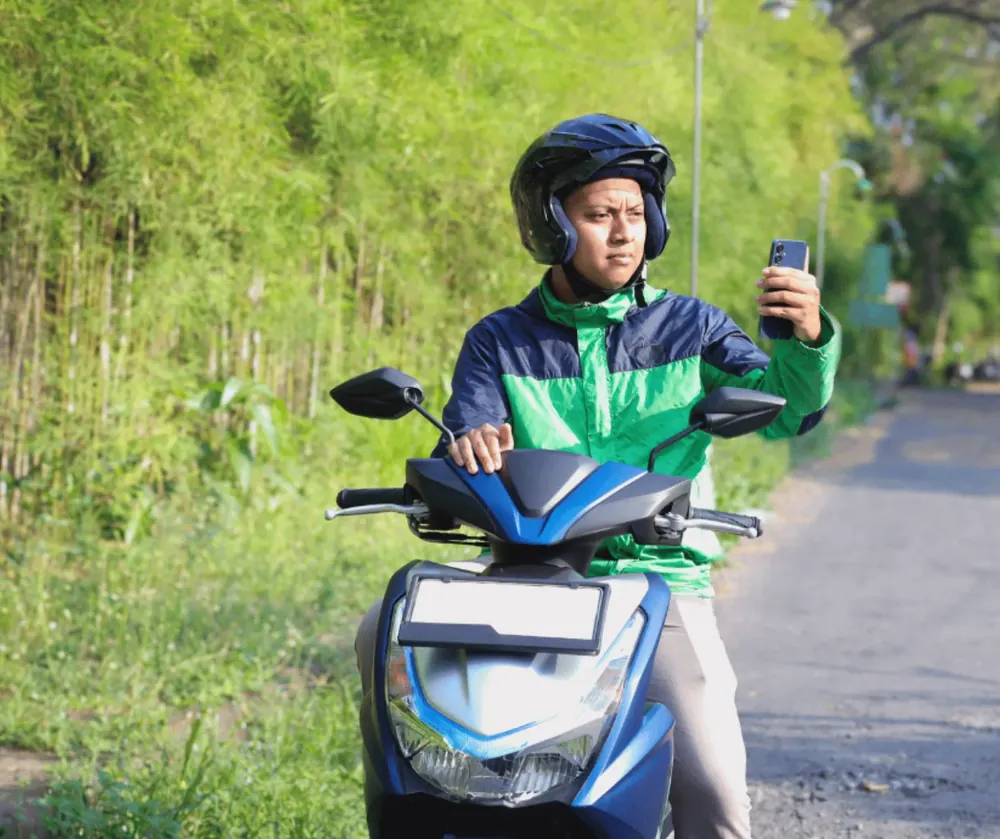
Food delivery driver on the road.
Delivery status can determine which insurance policy applies.

Understanding Delivery App Accidents

Delivery drivers frequently operate under tight deadlines, increasing the risk of accidents. Injuries may affect pedestrians, other drivers, or the delivery driver themselves. Liability depends on whether the driver was actively working, the platform's insurance policy, and fault determination. Coverage disputes are common, and insurance companies may attempt to deny responsibility. Proper investigation includes reviewing app status, driver activity, and accident reports. A strong claim ensures compensation for medical bills, lost wages, and long-term recovery.

What to Do Next

Seek medical care, document the scene, and preserve app activity records. Contact an attorney before speaking with insurers.

Were you rear-ended by another driver?

Find out how much compensation you may be entitled to.

Types of Delivery App Accidents
Frequently Asked Questions

Insurance coverage for delivery drivers varies significantly by app and by what the driver was doing at the moment of the crash. Most delivery platforms provide limited liability coverage while a driver is actively en route to pick up or drop off an order, but little to no coverage while the app is off or the driver is waiting for an assignment. Unlike rideshare passenger trips, delivery coverage limits are often lower and vary more by company, so the specific platform and the driver's status at the time of the crash both matter to the outcome.

Yes, a person injured by a delivery driver can typically file a claim, but the outcome depends on who was at fault and what the driver's app status was when the crash happened. If the driver was actively making a delivery, the platform's liability coverage may apply. If the app was off, the claim generally proceeds against the driver's personal auto insurance instead. Fault also matters: if the delivery driver caused the crash, their applicable insurance pays; if another driver caused it, that driver's policy is the primary source of recovery.

Yes, delivery accident claims are often complicated because several policies can potentially apply: the delivery driver's personal auto insurance, the delivery platform's limited liability coverage, and any other driver's insurance involved in the crash. Which one responds depends on the driver's app status at the time, whether they were between deliveries, actively en route, or logged off entirely. Delivery platforms typically carry lower coverage limits than rideshare passenger services, which can make disputes over which policy applies more consequential for an injured claimant.

Yes, legal guidance can help after a delivery driver accident because coverage depends on which app was in use, the driver's status at the time, and whether the platform's limited liability policy or the driver's personal insurance applies. An attorney can help identify the correct policy, request delivery app trip logs, and push back if an insurer tries to deny coverage by claiming the driver was off-duty. This is particularly useful because delivery platform coverage limits are often lower than rideshare passenger coverage, making correct identification of the applicable policy more important.

Get the Compensation You Deserve

Our experienced rear-end collision attorneys are ready to fight for you. No fee unless you win.

Call Now Free Review