Uber Insurance Coverage

Coverage changes between offline, waiting, and active ride phases.

Uber's insurance coverage changes depending on driver activity, making claims confusing for accident victims. Understanding how coverage works is critical for receiving proper compensation.
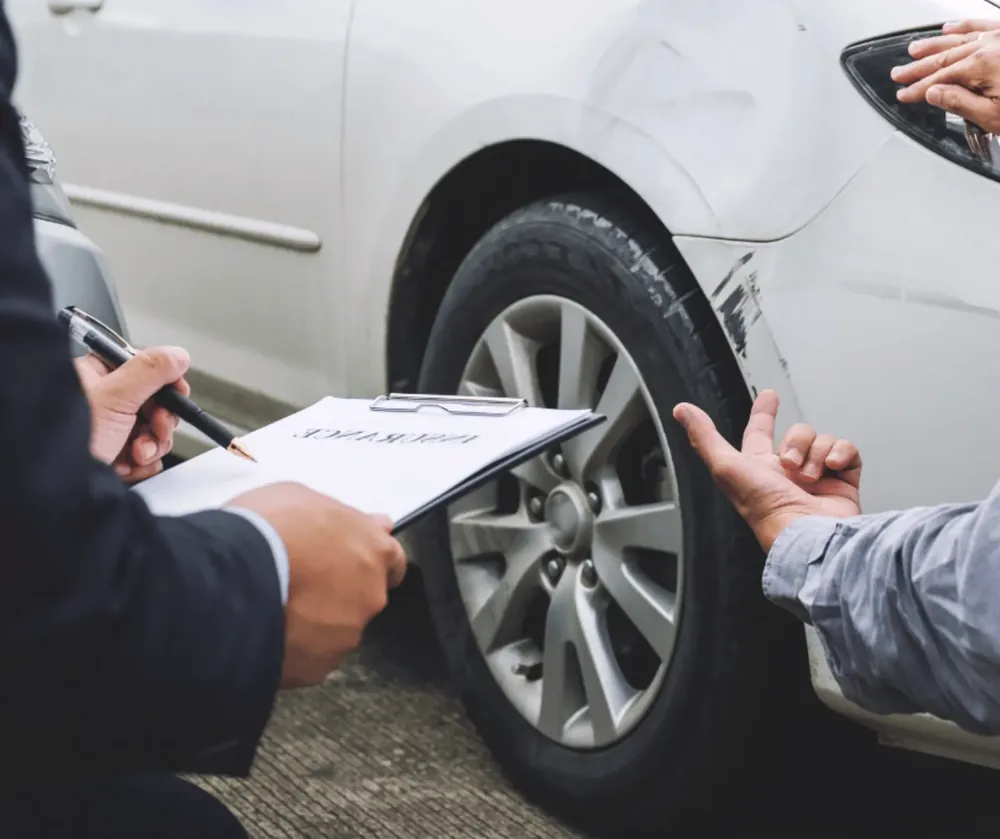
Rideshare insurance documentation and phone app.
Trip status often determines which policy applies.

Understanding Uber Insurance Coverage

Uber provides different insurance coverage levels based on whether the driver is offline, available, or actively transporting a passenger. Coverage can range from limited liability to full commercial coverage. Disputes often arise over timing, app status, and policy limits. Victims may face delays or denials if coverage is unclear. Legal review of app data, insurance policies, and accident reports ensures the correct policy is applied and maximum compensation is pursued.

What to Do Next

Document app status, gather accident evidence, and contact an attorney experienced in rideshare insurance claims.

Were you rear-ended by another driver?

Find out how much compensation you may be entitled to.

Frequently Asked Questions

Uber's insurance coverage is not always active — it only applies once a driver has logged into the Uber app. When the app is completely off, any crash is governed by the driver's personal auto insurance just like a non-rideshare crash, and Uber's policy plays no role at all. Coverage begins, at a lower contingent level, once the driver logs in and is waiting for a trip request, then increases to Uber's full commercial coverage once a trip is accepted. This tiered structure means the same driver can have very different coverage available depending on the moment a crash occurs.

Uber's insurance coverage is not uniform — it changes based on what the driver was doing in the app at the time of the crash. Offline, the driver's personal policy applies with no Uber involvement. Logged in and waiting for a request, Uber provides contingent liability coverage at lower limits, generally kicking in only if the driver's personal policy denies the claim. Once a trip is accepted or a passenger is in the car, Uber's commercial policy applies at significantly higher limits. Because these tiers differ so much, the exact app status at the moment of the crash is critical to any claim.

Uber-related insurance claims can be denied or delayed when there is a dispute over the driver's app status at the time of the crash, since that status determines which coverage tier — personal, contingent, or commercial — applies. Insurers may argue the driver was offline when the claimant believes they were logged in, or that no trip had been accepted when it actually had. These disputes typically get resolved by obtaining Uber's trip and login data, which shows precisely when the driver's status changed, making that data one of the most important pieces of evidence in a contested claim.

Getting legal help after an Uber accident is worthwhile because identifying the correct insurance policy — the driver's personal coverage, Uber's contingent tier, or Uber's full commercial policy — depends on app status details that are not always obvious or undisputed. An attorney can request Uber's trip records to establish what tier applied, push back if an insurer defaults to a lower-limit policy than the facts support, and make sure claims for medical bills, lost income, or other losses are directed at the policy actually responsible for the crash.

Get the Compensation You Deserve

Our experienced rear-end collision attorneys are ready to fight for you. No fee unless you win.

Call Now Free Review