Lyft Accidents

Lyft crashes can involve layered coverage that depends on app status.

Lyft accidents can involve passengers, drivers, pedestrians, or other motorists and often raise complex insurance questions. Because Lyft uses a rideshare model similar to Uber, determining liability depends on the driver's status at the time of the crash. Understanding how Lyft's coverage works is essential after an accident.
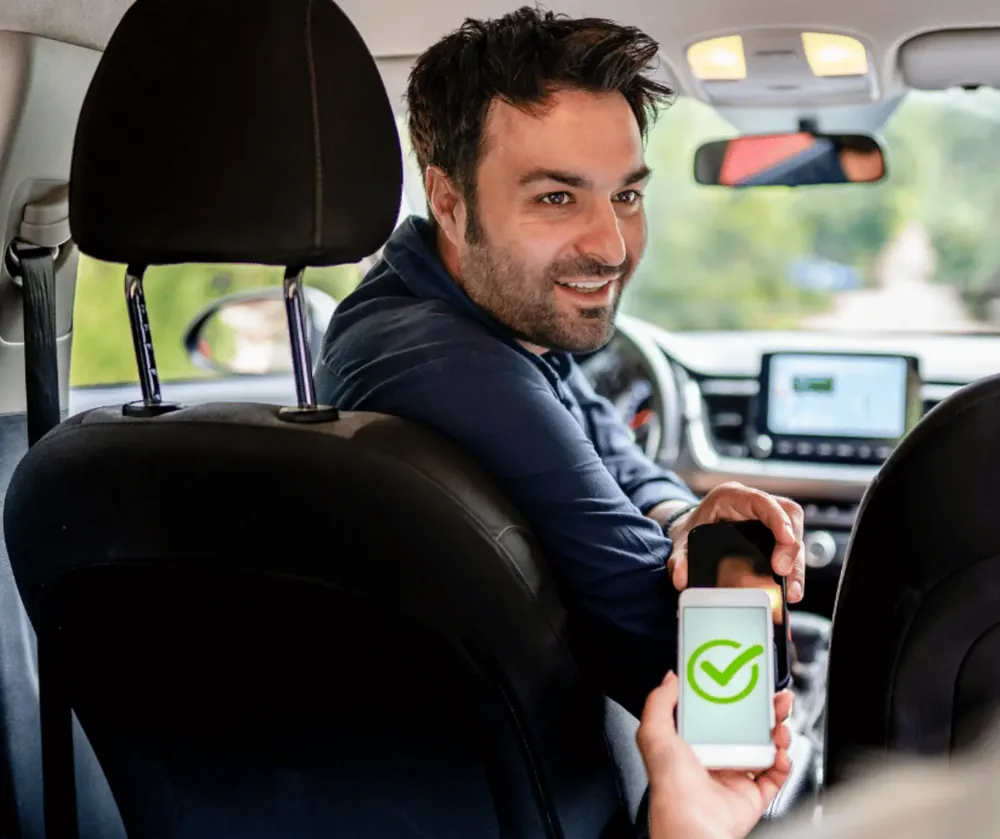
Lyft rideshare vehicle on the road.
Trip status helps determine which coverage applies.

Understanding Lyft Accidents

Lyft accidents commonly occur due to distracted driving, fatigue, speeding, or unfamiliar routes. Like Uber, Lyft provides different insurance coverage depending on whether the driver was offline, waiting for a ride request, or actively transporting a passenger. Injuries may range from soft tissue damage to serious trauma such as fractures or spinal injuries. Claims can be complicated by multiple insurance policies, conflicting accounts, or disputes over fault. Investigating a Lyft accident often requires reviewing app data, trip logs, police reports, and medical records. Insurance companies may attempt to limit payouts or delay claims, especially when liability is unclear. A strong legal claim ensures all available coverage is identified and compensation reflects medical costs, lost income, and long-term recovery needs.

What to Do Next

Seek medical attention, document the scene, save ride information, and contact an attorney before speaking with insurance representatives.

Were you rear-ended by another driver?

Find out how much compensation you may be entitled to.

Types of Lyft Accidents

Frequently Asked Questions

Liability in a Lyft accident depends primarily on the driver's status in the Lyft app when the crash occurred. If the app was off, the driver's personal auto insurance applies as in any standard crash. If the driver was logged in and available for ride requests but hadn't accepted one, Lyft's contingent liability coverage applies at reduced limits. Once a ride is accepted or a passenger is in the vehicle, Lyft's commercial policy generally provides much higher coverage. Establishing exactly which phase the driver was in at the time of the crash is usually the first step in any Lyft-related claim.

Lyft does provide insurance coverage for its drivers, but the applicable amount depends on the driver's activity status in the app at the time of the crash. Offline, the driver relies solely on personal insurance. Logged in and waiting for a match, Lyft's contingent coverage applies at lower limits, typically supplementing rather than replacing the driver's own policy. Once a ride is accepted through drop-off, Lyft's commercial liability policy applies at significantly higher limits. Because these tiers differ substantially, confirming exactly when the driver's status changed relative to the crash is central to determining what coverage responds.

Passengers injured while riding in a Lyft are generally covered under Lyft's commercial insurance policy, which applies from ride acceptance through the end of the trip and typically carries much higher liability limits than a standard personal auto policy. This coverage generally applies regardless of whether the Lyft driver or another motorist caused the crash, since the passenger's claim does not hinge on proving the Lyft driver was at fault. If a third-party driver caused the crash and lacks sufficient insurance, Lyft's policy may also provide underinsured motorist coverage to help cover the remaining losses.

Hiring a lawyer for a Lyft accident claim is worth considering because these cases involve tiered insurance coverage that shifts based on the driver's app status, and Lyft's insurer will often dispute which tier applies to minimize payout. Claims can also involve multiple parties — the Lyft driver, a third-party at-fault driver, and Lyft's own policy — each requiring different documentation. Attorneys in our network who handle rideshare cases can help pull the necessary trip records, identify the correct coverage tier, and negotiate with Lyft's insurer rather than accepting an initial position at face value.

Get the Compensation You Deserve

Our experienced rear-end collision attorneys are ready to fight for you. No fee unless you win.

Call Now Free Review