Uber Driver Injuries

Coverage for Uber drivers can depend on app status and who caused the crash.

Uber drivers may be injured while transporting passengers or driving between trips. These cases involve unique insurance rules and often require legal assistance to secure compensation.
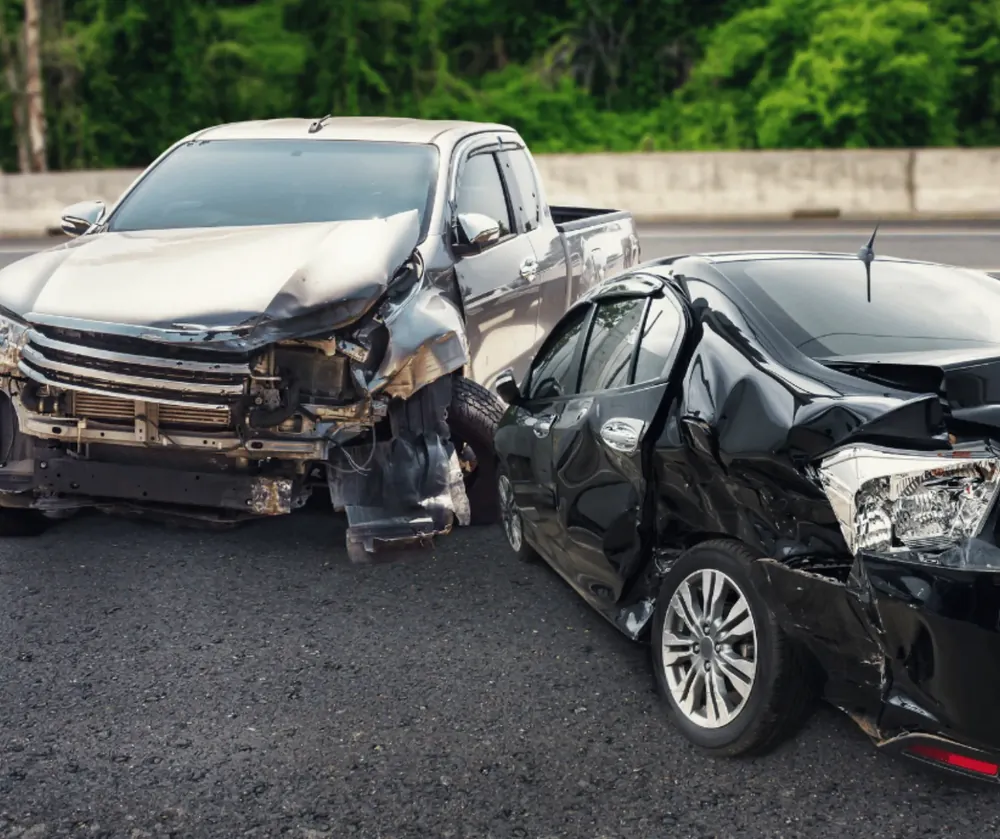
Injured rideshare driver after a collision.
Policy phases and fault determine which coverage applies.

Understanding Uber Driver Injuries

Uber drivers are classified as independent contractors, not employees, which limits access to traditional workers' compensation. Coverage depends on whether the driver was logged into the app or actively on a trip. Injuries may include fractures, soft tissue damage, or long-term disability. Claims may involve Uber's insurance, the at-fault driver's insurer, or personal policies. A strong claim requires detailed documentation, accident reconstruction, and medical records. Legal assistance ensures drivers receive compensation for medical expenses, lost income, and future earning limitations.

What to Do Next

Seek medical attention, document the accident, and save app activity details. Consult an attorney before filing any insurance claim.

Were you rear-ended by another driver?

Find out how much compensation you may be entitled to.

Frequently Asked Questions

Uber drivers do have access to insurance coverage when injured, but which policy applies depends on their app status at the time of the crash. When offline, a driver's own personal auto policy governs, and Uber's coverage does not apply. Once logged in and waiting for a ride request, Uber's contingent liability coverage becomes available, though it typically does not cover the driver's own vehicle damage. Once a trip is accepted, Uber's commercial policy applies more broadly, and in some markets includes optional coverage for the driver's own injuries, though this varies by state and Uber's specific policy terms.

Drivers generally cannot sue Uber directly for injuries sustained while driving, since Uber classifies drivers as independent contractors rather than employees, which limits the driver's ability to bring claims like a workers' compensation case against the company. Instead, an injured Uber driver typically pursues a claim through the applicable insurance policy — either their own personal coverage, Uber's contingent coverage, or Uber's commercial policy, depending on app status at the time. This distinction matters because it shapes what kind of compensation is available and through which process the driver has to pursue it.

If another driver caused the crash that injured an Uber driver, the at-fault driver's personal auto liability insurance is typically the first source of compensation, just as it would be in a crash between two ordinary vehicles. If that driver is uninsured or underinsured, Uber's policy may include uninsured/underinsured motorist coverage that can apply while the Uber driver was logged into the app, helping fill the gap. Because this stacks on top of whichever Uber coverage tier applied at the time, an injured Uber driver may have more than one potential source of recovery to pursue.

Uber drivers injured on the job should consider speaking with a lawyer because determining which insurance policy applies — their own, Uber's contingent coverage, or Uber's full commercial policy — depends on app status details that can be disputed, and because drivers, as independent contractors, don't have the same automatic injury protections as employees. An attorney can help pull the relevant trip records, identify whether an at-fault third party's insurance or Uber's own coverage should respond, and make sure a driver isn't shortchanged by an insurer defaulting to the lowest applicable coverage tier.

Get the Compensation You Deserve

Our experienced rear-end collision attorneys are ready to fight for you. No fee unless you win.

Call Now Free Review