Medical Attention

Learn about Medical Attention and your legal options after an accident.

Seeking medical care immediately after an accident is one of the most important steps you can take. Even low-speed collisions can cause soft tissue injuries, concussions, or internal damage that may not show immediate symptoms. Visit an emergency room or urgent care facility as soon as possible. Describe all symptoms clearly, even if they seem minor. Follow up with your primary care doctor or a specialist if recommended. Consistent medical treatment creates a documented link between the accident and your injuries. Delaying medical care can weaken your claim. Insurance companies may argue that your injuries were not serious or were caused by something else. Gaps in treatment are often used to reduce settlement offers. Keep copies of all medical records, prescriptions, and appointment summaries. These documents support both economic and non-economic damage claims.
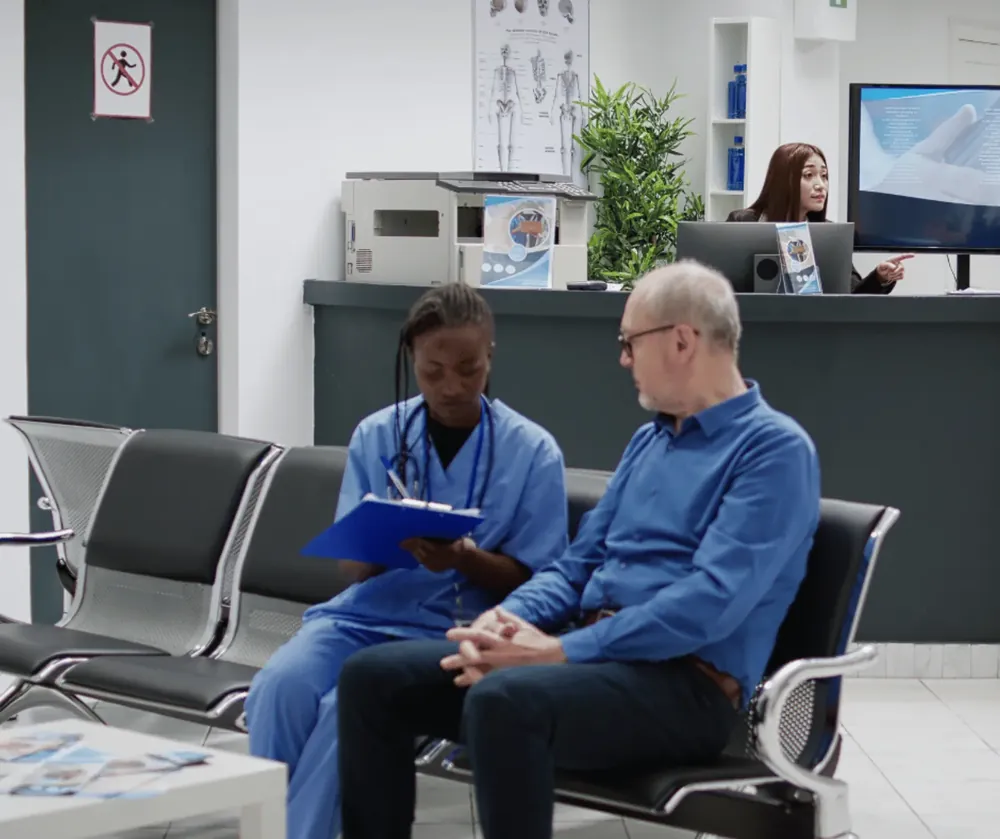
Medical Attention image
Clear records and early action improve claim outcomes.

What to Do Next:

Schedule follow-up care, maintain treatment consistency, and keep a personal injury journal tracking pain levels and limitations.

Frequently Asked Questions

Whiplash, concussions, soft tissue injuries, and internal bleeding are common examples of injuries that may not produce symptoms until hours or days after the crash. Adrenaline at the scene can mask pain, letting real injuries go unnoticed until swelling, stiffness, or neurological symptoms set in later. This delay is exactly why an initial evaluation matters even when you feel fine, since it creates a documented starting point that a delayed diagnosis can later be connected back to.

Yes. Skipping follow-up appointments or ignoring a treatment plan can slow your physical recovery and creates gaps in your medical records. Insurance companies often point to treatment gaps as evidence that an injury wasn't serious or wasn't caused by the accident at all, using that reasoning to justify a lower settlement offer. Consistent, documented treatment keeps the medical link between the crash and your injuries clear and supports both economic and non-economic parts of a claim.

Yes, but go immediately rather than waiting days, and make sure the visit is documented thoroughly. What matters most is prompt evaluation and a clear paper trail linking your symptoms to the accident, whether that happens in an emergency room, urgent care, or your primary care office. Describe every symptom clearly, even minor ones, and keep copies of all records, prescriptions, and appointment summaries, since delayed or inconsistent care is one of the easiest things for an insurer to use against a claim.

Yes. Minor discomfort can be an early sign of a soft tissue injury, concussion, or other damage that hasn't fully developed yet, and low-speed collisions are still capable of causing these injuries. Getting evaluated turns a vague symptom into a documented medical finding, which matters if the pain worsens later. Waiting until pain becomes severe risks a treatment gap that insurers can use to argue the injury isn't connected to the crash.

Get the Compensation You Deserve

Our experienced rear-end collision attorneys are ready to fight for you. No fee unless you win.

Call Now Free Review