No Fault Vs At Fault
Learn about No Fault Vs At Fault and your legal options after an accident.
Where an accident happens has a major effect on how a claim works. States generally fall into one of two systems for handling car accident injuries: no-fault or at-fault (also called tort) systems. Knowing which type of state applies to a crash shapes everything from where the initial claim is filed to whether a lawsuit against the other driver is even an option.
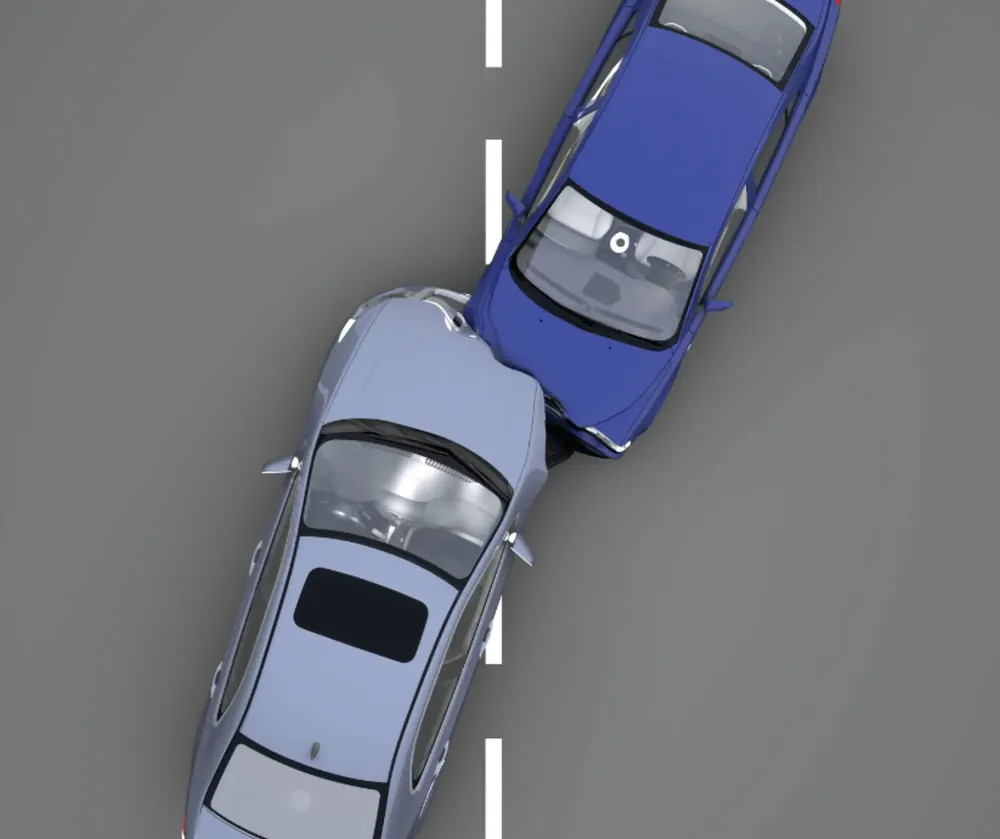
How No-Fault States Work
In no-fault states, which number around a dozen across the country, each driver's own insurance company generally pays for their medical expenses and certain other losses through Personal Injury Protection, or PIP, coverage, regardless of who caused the accident. The idea behind no-fault systems is to get medical bills paid quickly without waiting for a determination of fault.
However, no-fault does not mean an injured person can never pursue the at-fault driver. Most no-fault states include a tort threshold, a legal standard that must be met before someone can step outside the no-fault system and bring a claim directly against the at-fault driver. This threshold is often based on either the severity of the injury, such as a serious injury definition covering permanent impairment, disfigurement, or death, or a dollar amount of medical expenses. Meeting the threshold matters significantly, since it determines whether pain and suffering damages become available at all.
How At-Fault States Work
In at-fault, or tort, states, the driver responsible for causing the accident, and by extension their insurance company, is generally liable for the injured party's damages. An injured person in an at-fault state can typically file a claim directly against the at-fault driver's liability insurance, or pursue a lawsuit, without needing to meet a special injury threshold first. This generally makes it more straightforward to pursue full compensation, including pain and suffering, from the start.
Were you rear-ended by another driver?
Find out how much compensation you may be entitled to.
What to Do Next
Find out whether your state follows a no-fault or at-fault system, since it determines where you file first and what you may need to show to pursue full compensation.
Related Topics
Frequently Asked Questions
Get the Compensation You Deserve
Our experienced rear-end collision attorneys are ready to fight for you. No fee unless you win.

