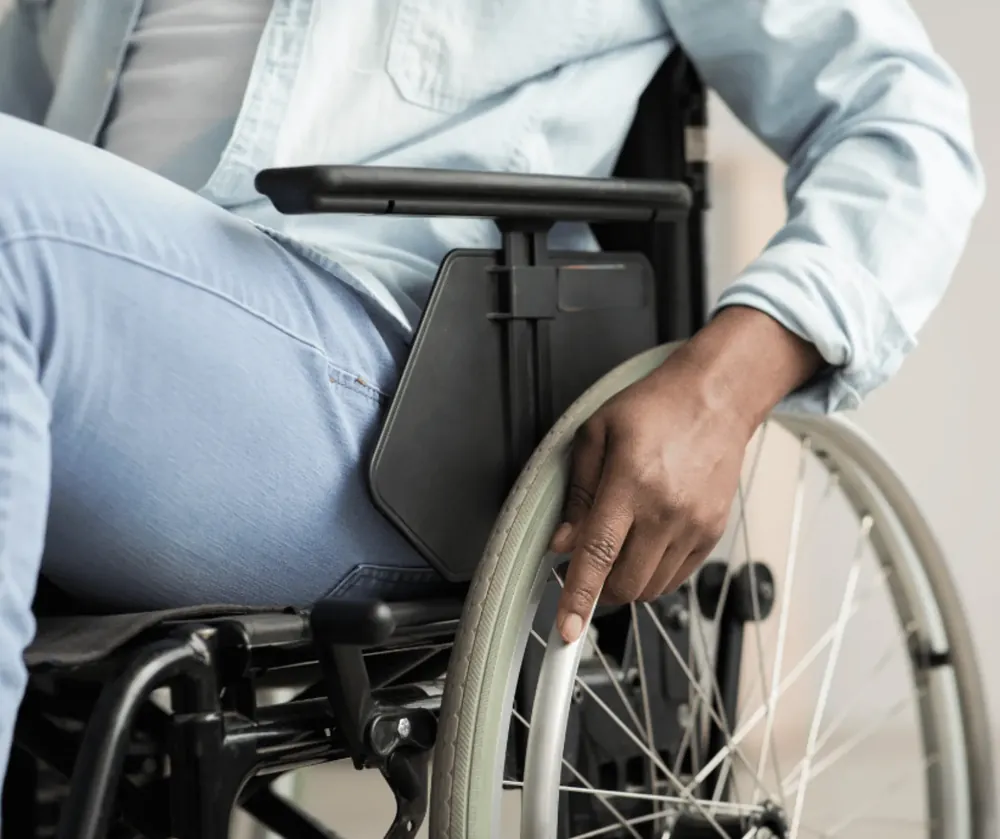
Paralysis

Learn about Paralysis and your legal options after an accident.

Paralysis occurs when spinal cord damage disrupts communication between the brain and muscles. It can affect part or all of the body and often results from catastrophic accidents. Paralysis claims typically involve extensive medical treatment and long-term life adjustments.
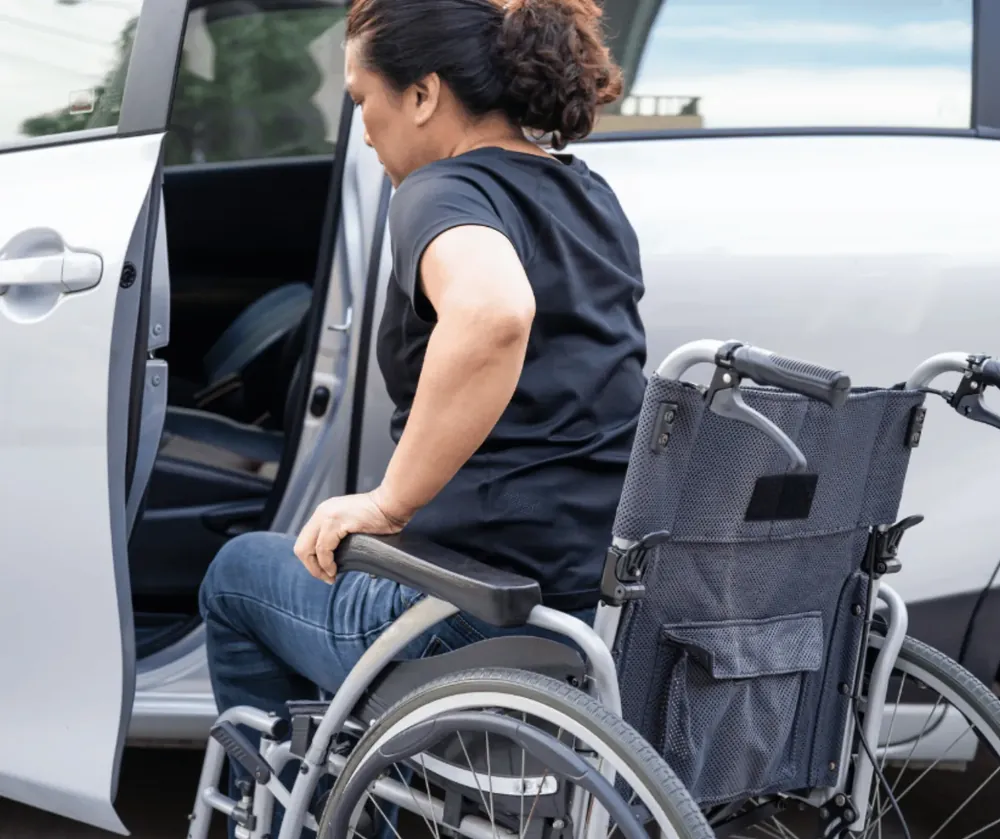
Paralysis image
Documentation and treatment details can significantly affect claim value.

Understanding Paralysis Claims

Paralysis may be partial or complete and can impact the arms, legs, or entire body. These injuries often require lifelong care, rehabilitation, home modifications, and mobility assistance. Beyond physical limitations, paralysis affects emotional well-being, employment, and independence.

Legal claims involving paralysis are among the most complex injury cases. Compensation often accounts for ongoing medical expenses, personal care assistance, lost income, and diminished quality of life. Establishing fault and documenting future needs are essential components of these claims.

What to Do Next

Begin comprehensive medical treatment and consult professionals who can document long-term care requirements.

Were you rear-ended by another driver?

Find out how much compensation you may be entitled to.

Types of Paralysis

Frequently Asked Questions

Not necessarily. Paralysis occurs when spinal cord damage disrupts communication between the brain and muscles, and while some cases improve with treatment and rehabilitation, many result in permanent disability depending on where along the spinal cord the damage occurred and how severe it is. Paralysis can affect part of the body, such as the arms or legs, or the entire body. Beyond the physical limitations, it often affects emotional well-being, employment, and independence, which shapes the long-term care someone needs.

Most cases stem from spinal cord damage that disrupts the signals traveling between the brain and muscles, but severe nerve damage outside the spinal cord can also cause paralysis in certain circumstances. Whether paralysis is partial or complete, and whether it affects the arms, legs, or entire body, depends on the location and extent of the underlying damage. These injuries often require lifelong care, rehabilitation, home modifications, and mobility assistance regardless of whether the spinal cord itself or surrounding nerves are the source.

Yes. Because paralysis disrupts the communication pathway between the brain and the rest of the body, it can affect more than movement, including breathing, digestion, and bladder control depending on where the damage occurred. This is part of why paralysis claims typically involve extensive medical treatment rather than physical rehabilitation alone. The broader impact on bodily function is also why establishing long-term care needs, including personal care assistance and home modifications, is a central part of documenting the injury.

Paralysis claims are among the most complex injury cases because the condition often requires lifelong care, rehabilitation, home modifications, and mobility assistance. Compensation discussions typically account for ongoing medical expenses, personal care assistance, lost income, and diminished quality of life, since paralysis affects emotional well-being, employment, and independence well beyond the initial injury. Establishing fault and documenting future needs are essential parts of these claims, which is why comprehensive medical treatment and professional documentation of care requirements matter early on.

Get the Compensation You Deserve

Our experienced rear-end collision attorneys are ready to fight for you. No fee unless you win.

Call Now Free Review