Paraplegia

Learn about Paraplegia and your legal options after an accident.

Paraplegia affects the lower half of the body and is commonly caused by thoracic or lumbar spinal injuries. These injuries significantly impact mobility and independence.
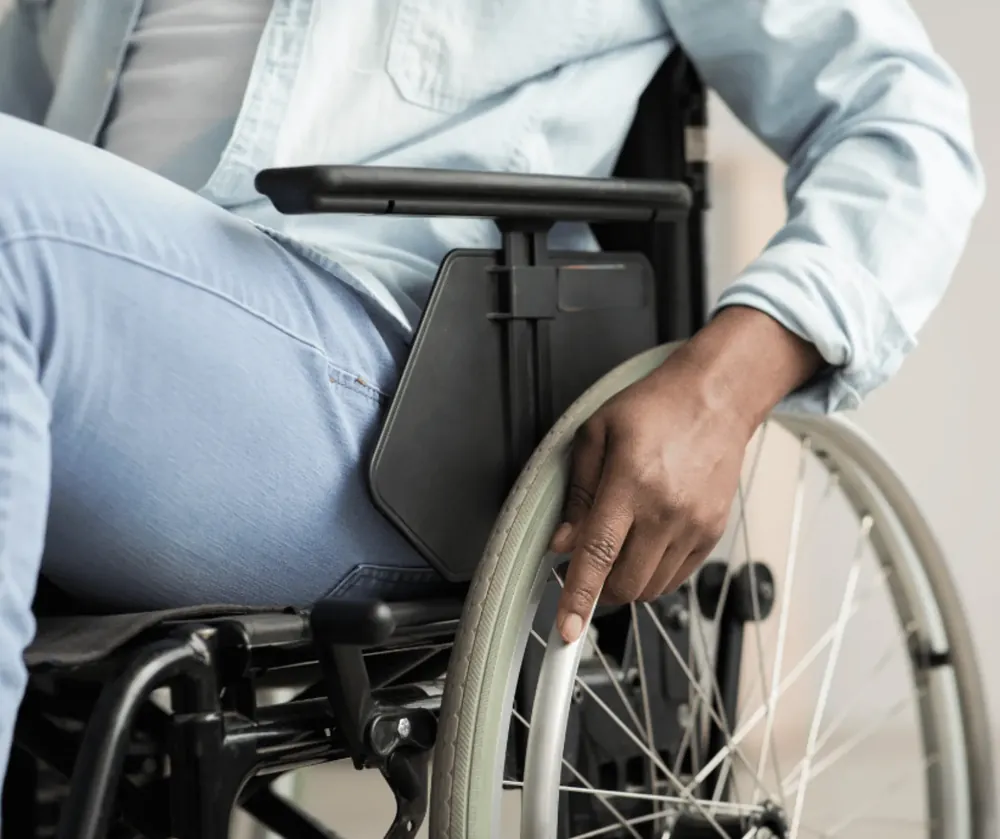
Paraplegia image
Documentation and treatment details can significantly affect claim value.

Intro

Paraplegia affects the lower half of the body and is commonly caused by thoracic or lumbar spinal injuries. These injuries significantly impact mobility and independence.

Understanding Paraplegia

Paraplegia involves paralysis of the legs while arm function remains intact. Mobility aids, therapy, and lifestyle adjustments are typically required. Long-term care planning is often necessary.

Were you rear-ended by another driver?

Find out how much compensation you may be entitled to.

What to Do Next

Follow rehabilitation plans and track mobility limitations.

Frequently Asked Questions

Yes. Because paraplegia comes from thoracic or lumbar spinal injury, the degree of loss depends on exactly where the spinal cord was damaged and how completely. Some people retain partial movement or sensation in the legs, while others lose function entirely below the injury site. Arm and upper-body function are generally preserved since the damage sits below the neck. The specific level and completeness of the injury shape mobility, independence, and the type of therapy and equipment a person needs going forward.

Not necessarily, but many thoracic and lumbar spinal cord injuries cause lasting impairment. Recovery potential depends on the severity of the original trauma and how much of the spinal cord's signaling capacity survives. Mobility aids, physical therapy, and lifestyle adjustments are typically part of the picture regardless of long-term outlook, and long-term care planning is often necessary. Because prognosis varies case to case, ongoing medical evaluation is the only reliable way to track whether function is stable, improving, or declining.

It often does. Paraplegia results from thoracic or lumbar spinal cord damage, and the same nerve pathways that control leg movement also help regulate bladder and bowel function, so injury at that level can disrupt both. This typically requires ongoing medical management as part of the broader care plan alongside mobility aids and therapy. Because these effects extend beyond mobility alone, they factor into the overall picture of how the injury impacts daily independence and long-term function.

Rehabilitation centers on mobility aids, physical therapy, and lifestyle adjustments tailored to which functions remain below the injury site. Because paraplegia significantly affects mobility and independence, care plans often extend well beyond initial treatment into long-term management. Following the rehabilitation plan closely and tracking mobility limitations over time helps show how the injury is actually progressing day to day, which matters for both medical decisions and for documenting the real functional impact of the injury.

Get the Compensation You Deserve

Our experienced rear-end collision attorneys are ready to fight for you. No fee unless you win.

Call Now Free Review