Loss Of Use
Learn about Loss Of Use and your legal options after an accident.
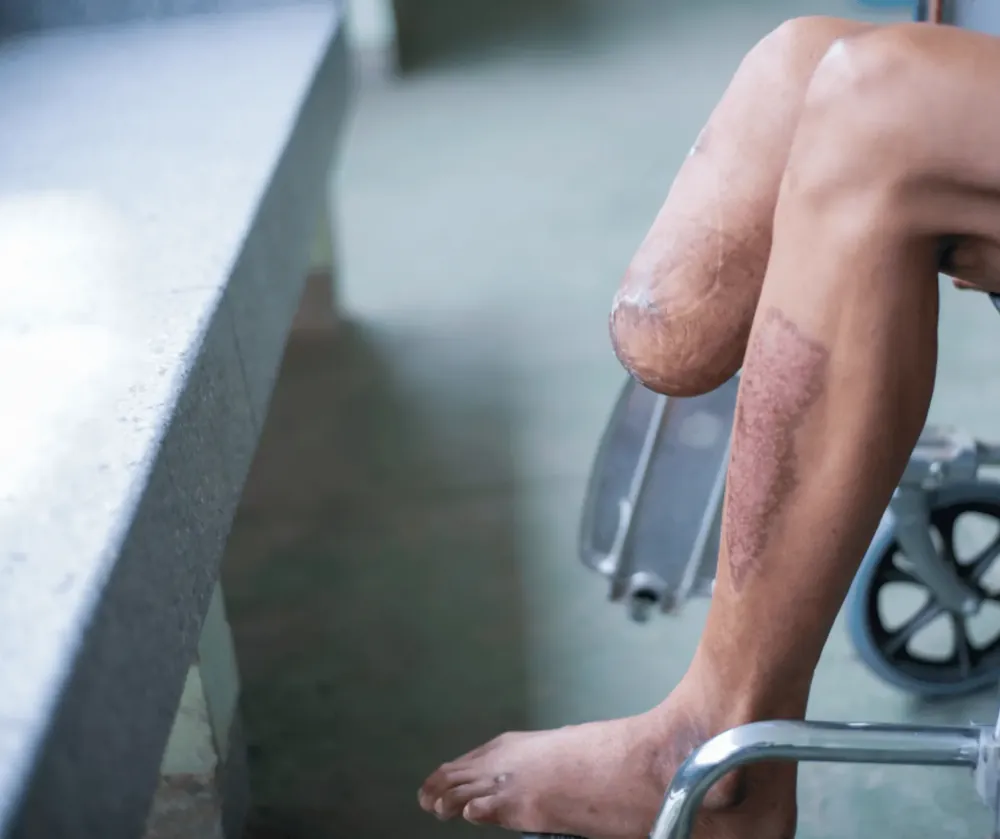
Not every catastrophic injury involves the physical loss of a limb. Loss of use describes a situation where a limb or bodily function remains physically present but no longer works, often due to nerve damage or paralysis caused by the crash. Legally and medically, these injuries can be treated with the same seriousness as amputation because the practical impact on daily life is often just as significant.
What Loss of Use Means
Loss of use typically results from nerve damage, spinal cord injury, or severe soft tissue and vascular trauma that leaves a limb intact but non-functional. For example, a brachial plexus injury to the nerves in the shoulder and arm can leave a hand permanently unable to grip, or nerve damage in the leg can result in paralysis without any physical amputation. The limb is still there, but it can no longer perform its function.
This distinction matters because loss of use injuries are sometimes underestimated by people unfamiliar with the medical reality: a paralyzed but physically intact limb can be just as life-altering as one that has been amputated, and in some cases requires more complex ongoing medical management since the limb itself still needs care to prevent complications like pressure sores, contractures, or circulation problems.
Documenting the Functional Loss
Because there is no visible absence of a limb, proving a loss of use injury relies heavily on medical documentation: nerve conduction studies, EMG testing, and specialist evaluations that confirm the extent of function lost. Physical and occupational therapy records showing what the person can and cannot do are also important evidence.
Claims involving loss of use commonly account for adaptive equipment, in-home care, lost earning capacity, and the same category of long-term life-care costs seen in amputation claims, since the functional outcome is often comparable even though the physical injury is different.
Were you rear-ended by another driver?
Find out how much compensation you may be entitled to.
What to Do Next
Pursue nerve function testing promptly and keep detailed records of what tasks have become impossible since the accident.
Related Topics
Frequently Asked Questions
Get the Compensation You Deserve
Our experienced rear-end collision attorneys are ready to fight for you. No fee unless you win.

