Meniscus

Learn about Meniscus and your legal options after an accident.

Meniscus tears occur when the cartilage that cushions the knee joint is torn due to twisting or impact. Common in accidents and sports injuries, meniscus tears cause pain, swelling, locking, and limited mobility. Early treatment is important to prevent long-term joint damage and restore proper knee function.
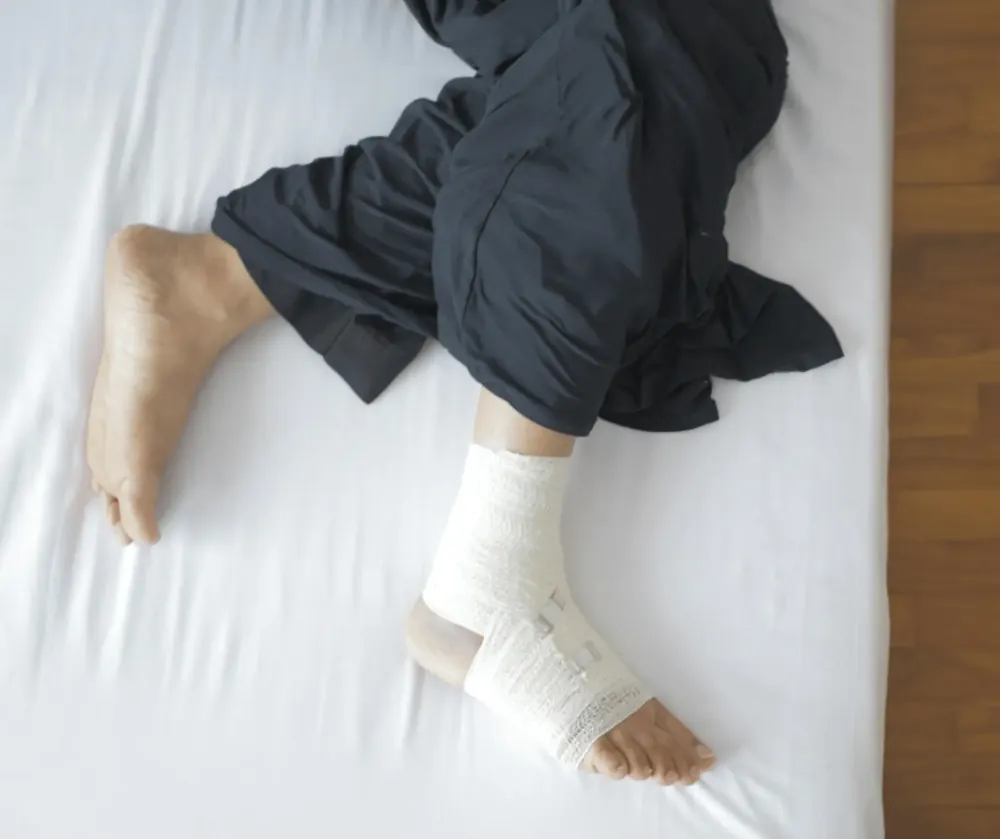
Meniscus image
Documentation and treatment details can significantly affect claim value.

First Paragraph (Introduction)

Meniscus tears occur when the cartilage that cushions the knee joint is torn due to twisting or impact. Common in accidents and sports injuries, meniscus tears cause pain, swelling, locking, and limited mobility. Early treatment is important to prevent long-term joint damage and restore proper knee function.

Understanding Meniscus Tears

The meniscus is a C-shaped cartilage that absorbs shock in the knee joint. Tears can be classified as minor or complex, and may occur along the outer or inner edges of the cartilage. Symptoms include pain, swelling, stiffness, locking or catching, and reduced range of motion.

Car accidents and sudden twisting motions are common causes. Diagnosis typically involves physical exams, MRI, or arthroscopy. Treatment varies depending on severity; minor tears may heal with rest, ice, compression, elevation (RICE), and physical therapy. Severe tears often require surgical repair or partial meniscectomy. Documentation of medical care, imaging, therapy, and functional limitations is critical for accident claims. Compensation may cover medical bills, surgery, rehabilitation, lost wages, and pain and suffering.

Were you rear-ended by another driver?

Find out how much compensation you may be entitled to.

What to Do Next

Seek medical attention for pain, swelling, or knee locking. Follow prescribed treatment, attend therapy, and keep detailed records for your claim.

Frequently Asked Questions

Minor tears, particularly those on the outer edge where blood supply is better, sometimes improve with rest, ice, compression, elevation, and physical therapy. Complex or larger tears, especially ones that cause locking or catching in the joint, more often require arthroscopic surgery or partial removal of the damaged cartilage. An MRI or arthroscopic evaluation after the initial exam determines which category a tear falls into and guides whether conservative care is realistic.

The C-shaped cartilage that cushions the knee tears when the joint twists suddenly or absorbs direct impact, such as the knee striking the dashboard or being wrenched during a collision. Pain, swelling, stiffness, and a locking or catching sensation when bending the knee are typical signs. Because meniscus tears are also common from sports and everyday twisting, documenting the exact mechanism, like a dashboard strike, in the initial medical exam helps link the tear to the crash.

Recovery varies by tear location and severity: minor tears managed with rest and therapy may improve over a shorter span, while tears requiring arthroscopic surgery or cartilage removal involve a longer rehabilitation process afterward. Because knee locking or catching can persist even after treatment begins, tracking each symptom, therapy session, and any activity still limited by the knee gives a more complete picture of how the injury is actually progressing.

MRI or arthroscopy results confirming the tear's location and severity, exam notes describing how the twisting or impact occurred, and physical therapy or surgical records all matter. Because meniscus tears often result from sports or routine twisting as well as trauma, records that connect the locking, swelling, and pain onset to the collision date help establish the injury wasn't preexisting. Notes on restricted mobility or missed work further support the claim's scope.

Get the Compensation You Deserve

Our experienced rear-end collision attorneys are ready to fight for you. No fee unless you win.

Call Now Free Review