Intersection Bicycle Crashes

Intersection crashes often involve left turns, red-light violations, and visibility issues.

Intersection bicycle crashes are among the most common and dangerous types of cycling accidents. They often occur when drivers fail to see or yield to cyclists crossing or traveling through intersections.
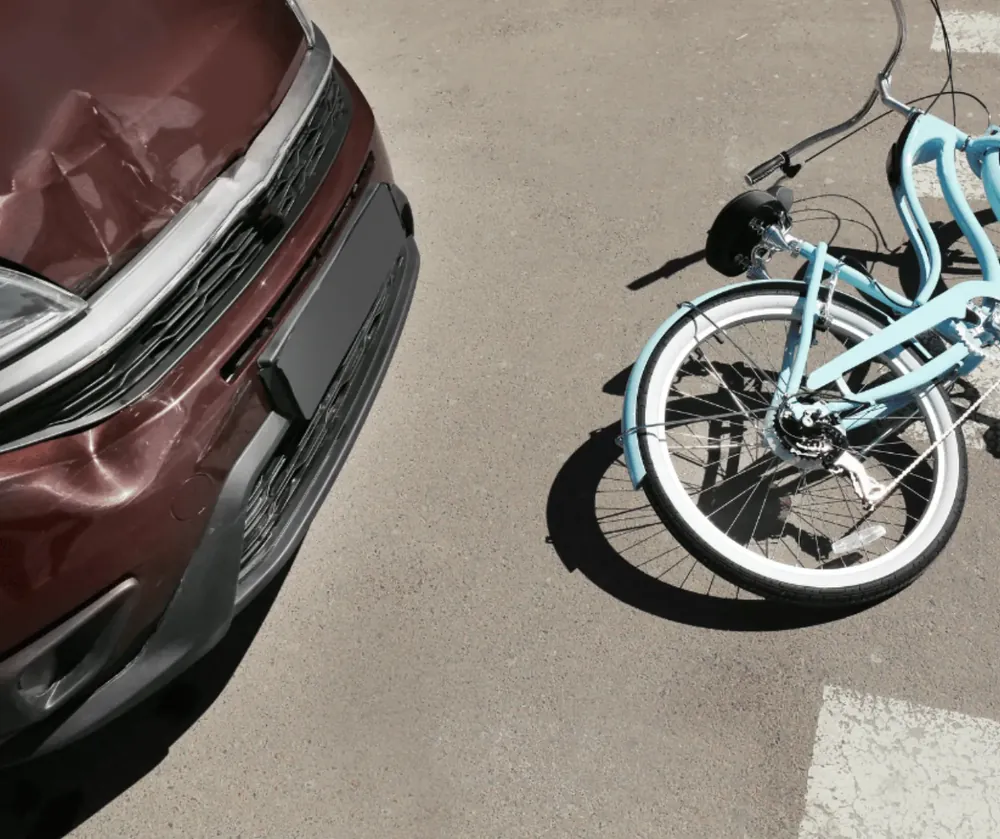
Cyclist approaching an intersection.
Intersections are high-risk areas for cyclists.

Understanding Intersection Bicycle Crashes

These accidents frequently involve left-turning vehicles, red-light violations, or drivers misjudging a cyclist's speed. Cyclists are highly vulnerable in intersections due to limited visibility and fast-moving traffic. Injuries can include head trauma, fractures, and internal injuries. Determining fault often requires analyzing traffic signals, right-of-way laws, and driver behavior. Insurance companies may attempt to blame cyclists for lane positioning or visibility issues. Evidence such as traffic camera footage, witness testimony, and police reports is critical. Proper legal guidance helps ensure victims pursue compensation for medical treatment, lost wages, and long-term care.

Frequently Asked Questions

Right of way at intersections depends on traffic signals, signage, and who arrived or entered first, but in many states a driver turning left or right must yield to a cyclist traveling straight through on a green light or at a stop sign. Cyclists are generally granted the same right-of-way protections as other vehicles when riding lawfully in a lane or bike lane. Because rules differ by state and intersection type (signalized, four-way stop, roundabout), the specific traffic control device in place at the time of the crash is central to determining fault.

Yes, left-turn collisions are among the most common causes of intersection crashes involving cyclists. They typically happen when a driver turning left misjudges the speed or position of an oncoming cyclist, or fails to see them at all, and turns directly into their path. Because the cyclist usually has the right of way when going straight through the intersection, the turning driver is frequently found at fault. Traffic signal timing, sightline obstructions, and witness statements are the evidence most often used to establish exactly how the collision occurred.

A driver claiming they didn't see you is not a legal defense — drivers have a duty to watch for cyclists and yield appropriately, and failing to look is itself a form of negligence, not an excuse for it. This claim often comes up in left-turn and intersection crashes where a driver pulls out or turns into a cyclist's path. Evidence like the cyclist's visibility (daylight, reflective gear, lighting), the driver's sightlines, and any distraction (phone use, obstructed view) can counter this argument and support the cyclist's claim.

Yes, seeking medical evaluation right after an intersection bicycle crash is important because adrenaline can mask pain from injuries like concussions, soft-tissue damage, or fractures that don't become obvious for hours or days. Prompt medical records also create a documented link between the crash and your injuries, which insurers scrutinize closely when a cyclist's injuries surface later. Delaying care gives the at-fault driver's insurer room to argue your injuries came from something else, so an ER visit or urgent care exam the same day is strongly advisable.

Get the Compensation You Deserve

Our experienced rear-end collision attorneys are ready to fight for you. No fee unless you win.

Call Now Free Review