E-Bike Accidents

E-bike crashes can involve higher speeds and complex liability questions.

E-bike accidents involve electric bicycles, which can reach higher speeds than traditional bikes. These crashes often raise unique legal and insurance questions.
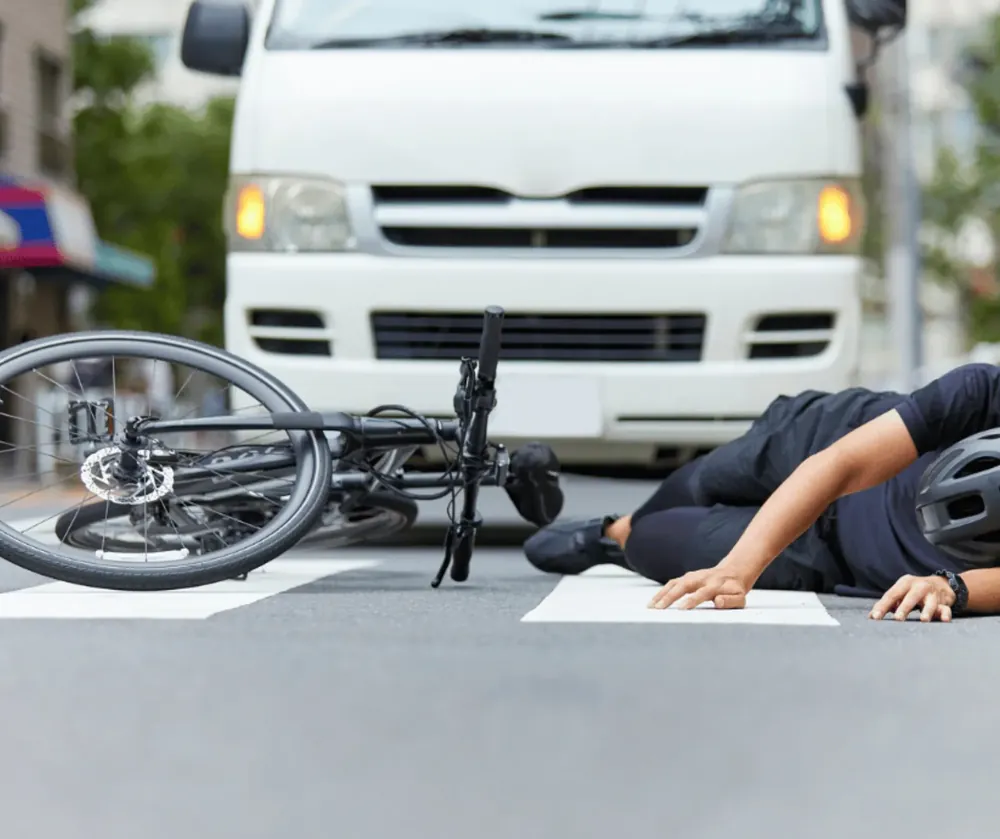
Electric bicycle rider on a city street.
Higher speeds can increase injury severity in e-bike crashes.

Understanding E-Bike Accidents

E-bike accidents may occur due to higher speeds, battery malfunctions, or driver unfamiliarity with e-bike laws. Injuries can include fractures, head injuries, and severe road rash. Liability may involve drivers, cyclists, manufacturers, or property owners depending on the cause. Because e-bike laws vary by state and classification, determining fault can be complex. Insurance companies may dispute coverage or responsibility. A detailed investigation helps ensure injured riders seek compensation for medical costs, lost wages, and equipment damage.

Frequently Asked Questions

Not always. Most states classify e-bikes into tiers (commonly Class 1, 2, and 3) based on top assisted speed and whether the motor engages via pedaling or a throttle, and each class can carry different rules for helmet use, minimum rider age, and where the bike may legally be ridden. A faster Class 3 e-bike, for example, may be restricted from certain bike paths or require a helmet where a standard bicycle wouldn't. Because these classifications directly affect how fault and compliance are evaluated after a crash, the specific e-bike class involved matters to the claim.

Yes, e-bike manufacturers can be held liable under product liability law if a defect in the frame, battery, motor, brakes, or software contributed to the crash. Common examples include battery fires or sudden power loss, brake failure, or a throttle that sticks or malfunctions. These claims typically require preserving the bike and its components as evidence, since an inspection or expert analysis is usually needed to prove the defect existed and caused the failure, rather than the damage simply resulting from the crash itself.

Insurance requirements for e-bike riders vary by state and by the e-bike's classification — many states treat lower-speed e-bikes like regular bicycles with no insurance mandate, while faster models or those classified closer to mopeds may require registration and coverage similar to motor vehicles. Even where insurance isn't legally required, an e-bike rider injured by a negligent driver can typically still pursue a claim against that driver's auto insurance, and may be able to use their own health insurance or uninsured motorist coverage depending on the circumstances.

Yes, documenting any battery or motor issues — sudden power surges, unexpected shutoffs, overheating, unusual noises, or failure to respond to throttle or pedal-assist input — is important if a mechanical defect may have contributed to the crash. Photos, videos, and a written timeline of what happened right before impact help preserve details that fade from memory. Keep the e-bike itself unrepaired and unaltered if possible, since a defect claim against the manufacturer or retailer typically depends on inspecting the actual components involved.

Get the Compensation You Deserve

Our experienced rear-end collision attorneys are ready to fight for you. No fee unless you win.

Call Now Free Review