Intersection Accidents

Intersections are high-conflict zones where right-of-way matters.

Intersection accidents happen when vehicles collide at crossings, often due to running red lights, failing to yield, or distracted driving. These crashes can involve multiple vehicles and can cause serious injuries and property damage. Knowing your rights and acting quickly can help ensure proper compensation.
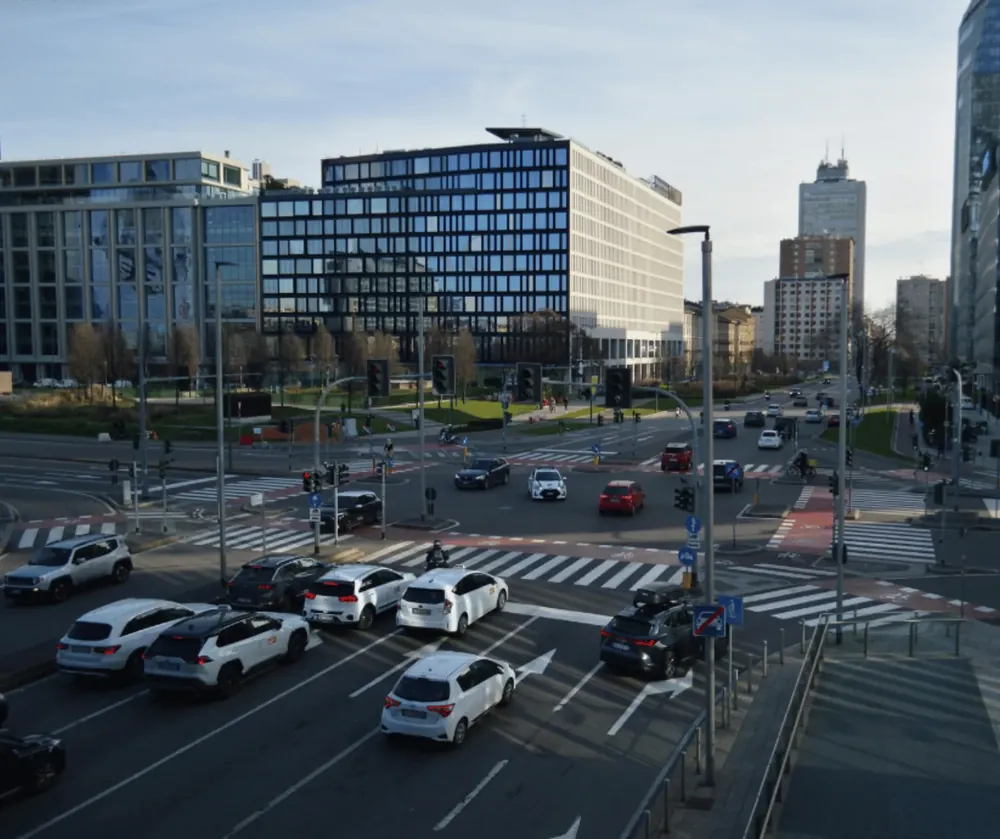
Vehicles stopped at a signalized intersection after a crash.
Intersection crashes often involve right-of-way questions.

Understanding Intersection Accidents

Accidents at intersections are dangerous because vehicles converge from multiple directions, increasing the risk of collisions. Injuries can range from minor bruises to head trauma, fractures, or spinal injuries. Determining fault may involve traffic signals, right-of-way rules, and driver behavior, which can complicate claims. Proper documentation is crucial for insurance or legal action.

What to Do Next

  1. Ensure safety and call 911.
  2. Document the scene and vehicle damage.
  3. Seek medical attention because injuries may not be immediate.
  4. Consult an attorney for guidance on compensation.

Were you rear-ended by another driver?

Find out how much compensation you may be entitled to.

Frequently Asked Questions

Fault in an intersection accident usually comes down to who had the right-of-way, based on traffic signals, stop or yield signs, and turning rules, along with whether either driver was speeding, ran a red light, or failed to yield when required. Left-turning drivers are commonly found at fault when they turn into oncoming traffic that has the right-of-way, but that presumption can shift based on signal timing or evidence that the oncoming driver was speeding. Traffic camera footage, witness statements, and the police report are usually the deciding evidence, since intersection crashes frequently involve conflicting accounts.

Yes, minor injuries from an intersection accident can still be claimed, including soft-tissue injuries like whiplash, bruising, or strains that don't require hospitalization but still involve medical treatment and recovery time. Compensation for minor injuries typically covers medical expenses, any missed work, and a smaller pain-and-suffering component compared to catastrophic injuries. Insurers often push back harder on low-dollar claims, arguing the impact was too minor to cause real injury, so consistent medical documentation from the date of the crash forward is important even when symptoms seem mild at first.

Document an intersection accident by photographing vehicle positions, damage, skid marks, traffic signals or signs, and the overall intersection layout before anything is moved, since the specific geometry of who was where often decides fault. Collect contact information from witnesses, since conflicting driver accounts are common at intersections, and request the police report, which will note citations and officer observations about signal timing or right-of-way. If any nearby businesses or traffic cameras may have captured the crash, note their locations quickly, since footage is often overwritten within days.

A lawyer isn't required for every intersection accident, but legal help is especially useful when fault is contested, which is common at intersections since both drivers may claim they had the right-of-way. An attorney in our network can help gather traffic camera footage, witness statements, and the police report to establish liability, and can push back if the insurer tries to assign you partial fault to reduce your payout under your state's comparative negligence rules. Legal guidance also helps ensure a settlement accounts for both current and future medical needs.

Get the Compensation You Deserve

Our experienced rear-end collision attorneys are ready to fight for you. No fee unless you win.

Call Now Free Review