Bike Lane Accidents

Bike lane crashes often involve vehicles entering or blocking protected lanes.

Bike lane accidents happen when vehicles, cyclists, or road conditions interfere with designated cycling lanes. These accidents often involve drivers who ignore bike lane boundaries or make unsafe maneuvers near cyclists.
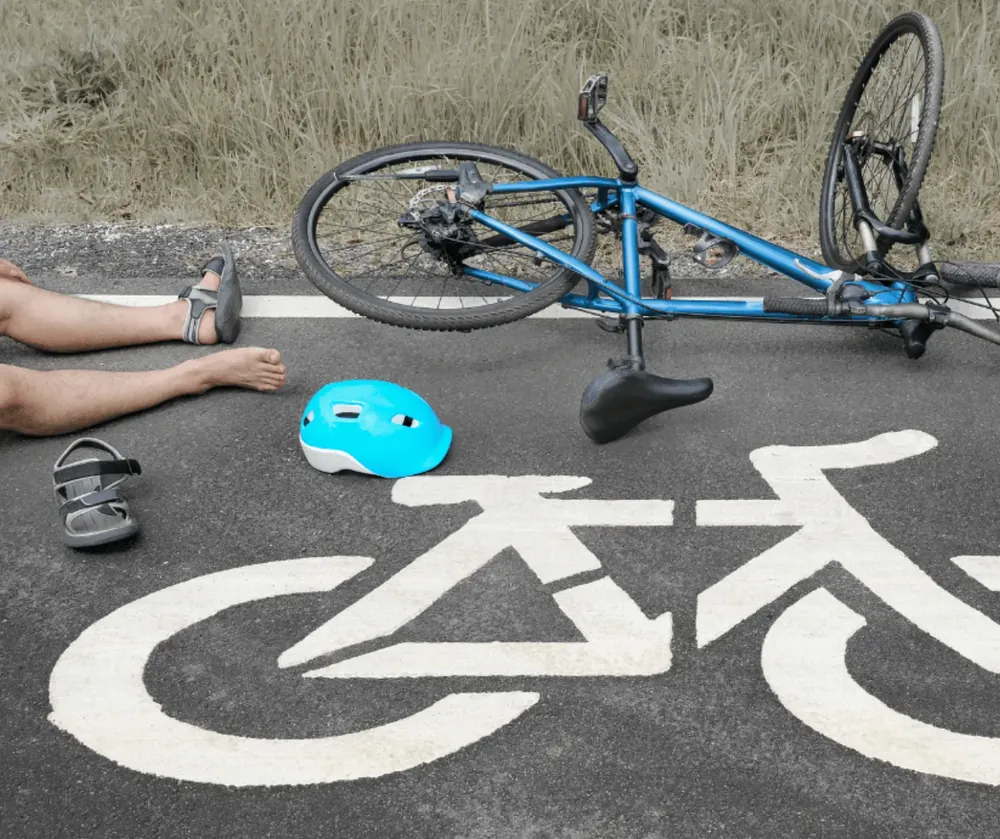
Cyclist riding in a marked bike lane.
Bike lane crashes can involve blocked or unsafe lanes.

Understanding Bike Lane Accidents

Bike lanes are designed to protect cyclists, yet accidents still occur due to distracted driving, illegal parking, sudden turns, or vehicles entering the lane without yielding. Cyclists may suffer fractures, head injuries, or spinal trauma when struck or forced out of the lane. Liability often depends on whether traffic laws protecting bike lanes were violated. Drivers may be held responsible for failing to yield or for obstructing the lane. In some cases, poorly maintained lanes or unclear markings may place responsibility on a city or property owner. Thorough investigation and documentation are essential to securing compensation for medical expenses, lost income, and bike repairs.

Frequently Asked Questions

Yes, drivers are generally required to yield to cyclists in bike lanes and avoid entering them except for limited, legally permitted purposes, such as making a turn from the lane closest to the curb or briefly crossing to access a driveway or parking spot. A driver who merges into a bike lane without yielding, parks in it, or turns across it without checking for cyclists first can be found negligent if a collision results. Because bike lane rules vary somewhat by state and city, the specific local traffic code often factors into how fault is assigned.

Yes, a city or municipality can potentially share responsibility for a bike lane accident if poor maintenance, such as potholes, debris, or faded paint, or unclear signage and markings contributed to the crash. This is a separate theory of liability from the driver's own negligence, and both can apply in the same accident. Claims against a government entity typically involve shorter notice-of-claim deadlines than standard personal injury claims, so identifying a possible infrastructure-related cause early matters if the city may share fault.

A car illegally parked in a bike lane can shift fault onto the driver, since most states prohibit stopping or parking in a marked bike lane except for brief loading. If you were forced to swerve into traffic to avoid a parked vehicle and were hit, the parked driver's violation can support a negligence claim even though their vehicle wasn't moving. Photos of the parked car's position relative to the lane markings, any local ordinance citations, and witness accounts of the swerve are the evidence that typically matters most in these cases.

Bike lane crashes are often evaluated under additional rules that don't apply to standard car-on-car collisions, such as laws requiring drivers to yield before crossing a bike lane to turn or park, and safe-passing-distance requirements. A driver who crosses into a marked bike lane without checking for cyclists is frequently found at fault under these specific statutes. Because the rules vary by state and even by city ordinance, the exact lane markings, signage, and local traffic code in effect at the crash site all factor into how liability is assessed.

Get the Compensation You Deserve

Our experienced rear-end collision attorneys are ready to fight for you. No fee unless you win.

Call Now Free Review