Multi-Vehicle Pileups

Chain-reaction crashes can involve multiple drivers and insurers.

Multi-vehicle pileups happen when multiple cars collide, often resulting in serious injuries, major vehicle damage, and complex liability issues. Swift action and legal guidance are essential for proper compensation.
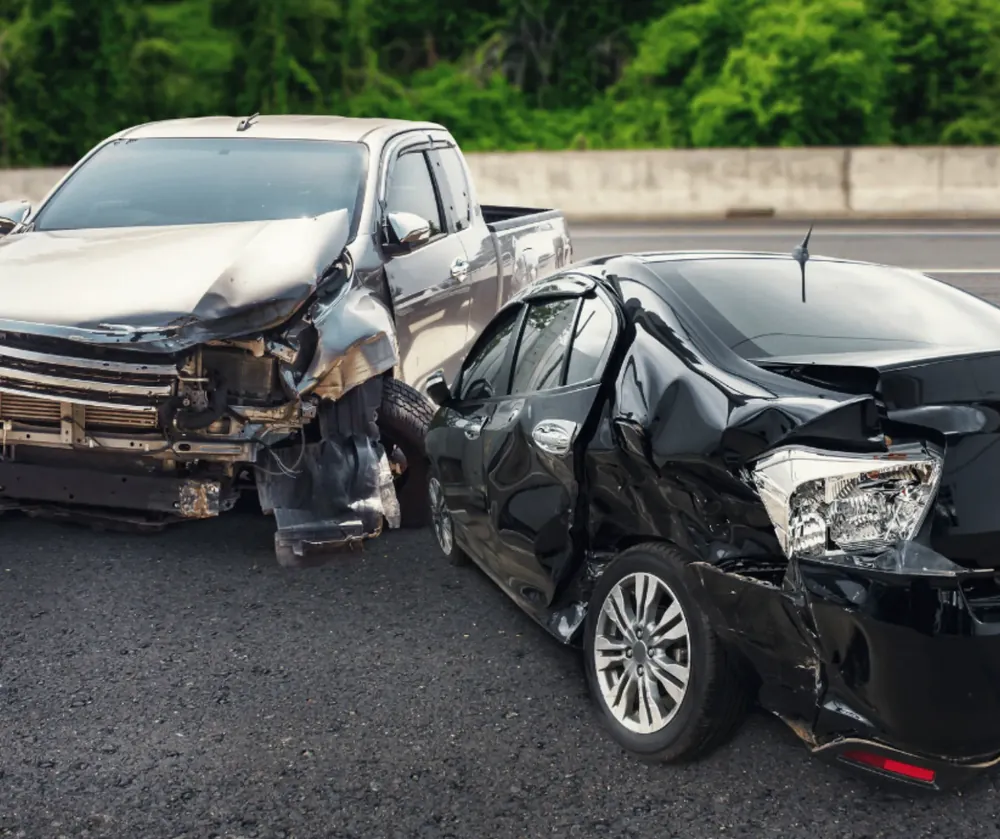
Multiple vehicles involved in a collision.
Multi-vehicle crashes often involve shared liability.

Understanding Multi-Vehicle Pileups

Multi-vehicle pileups are complicated because multiple parties are often involved, and liability can be shared among drivers. Injuries can include whiplash, broken bones, head trauma, and spinal injuries. Proper documentation is essential for insurance or legal claims.

What to Do Next

  1. Ensure safety and call 911.
  2. Document evidence with photos, witness info, and vehicle details.
  3. Seek medical attention even if injuries are not obvious.
  4. Consult an attorney to manage complex claims.

Were you rear-ended by another driver?

Find out how much compensation you may be entitled to.

Frequently Asked Questions

Fault in a multi-vehicle pileup is often shared among several drivers rather than resting entirely on one party, since a chain-reaction crash typically starts with one triggering event, like sudden braking or an unsafe lane change, and is worsened by following drivers who couldn't stop in time. Each driver's degree of fault is assessed based on their speed, following distance, and reaction, meaning a driver in the middle of the pileup could be found partly liable for hitting the car ahead while also being a victim of the car that hit them from behind. Sorting this out usually requires reconstructing the sequence of impacts from evidence.

Yes, injuries in multi-vehicle pileups are often severe because occupants can absorb the force of multiple impacts in quick succession, front and rear, rather than a single collision. This combination can produce whiplash layered with more serious trauma like fractures, internal injuries, or traumatic brain injury, and the total physical toll can be harder to sort out than in a two-car crash since it's not always clear which impact caused which injury. Prompt, thorough medical evaluation after any pileup helps establish that connection clearly.

Document a pileup accident by photographing every vehicle involved, the damage pattern, and the overall scene before vehicles are moved, since the sequence of impacts is often central to sorting out fault among multiple drivers. Gather contact and insurance information from all drivers, not just the one who hit you directly, and collect witness contact info, since pileups frequently involve conflicting accounts of what happened first. Keep the police report and any citations issued, and maintain medical records that track your treatment from the date of the crash forward.

An attorney is often worth involving in a multi-vehicle accident because these claims typically involve coordinating with several insurance companies, sorting out shared or disputed fault among multiple drivers, and making sure your claim against the right party or parties isn't undervalued in the process. An attorney in our network can help reconstruct the sequence of impacts, identify every liable driver, and negotiate so you're not left absorbing costs that should be covered by someone further back in the chain.

Get the Compensation You Deserve

Our experienced rear-end collision attorneys are ready to fight for you. No fee unless you win.

Call Now Free Review