Weather-Related Accidents

Poor weather can quickly turn routine trips into serious collisions.

Weather-related accidents occur when rain, snow, ice, fog, or other conditions contribute to a crash. Reduced visibility, slippery roads, or strong winds can make even careful driving dangerous. Acting promptly and knowing your legal options can help ensure compensation.
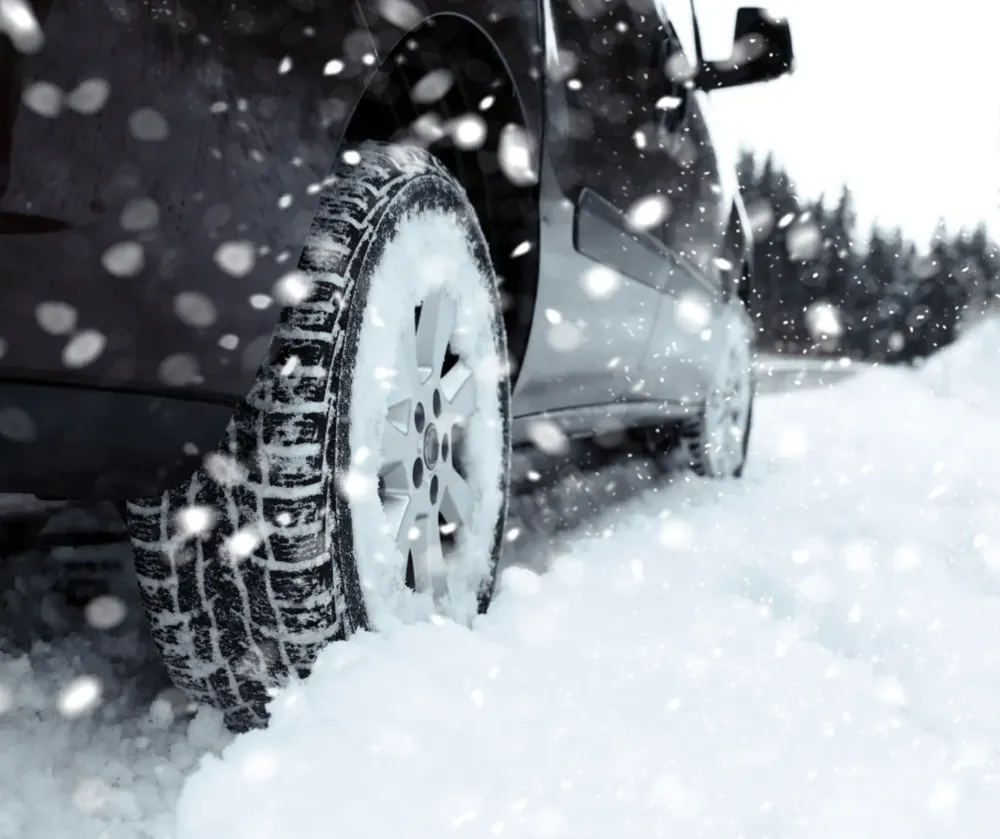
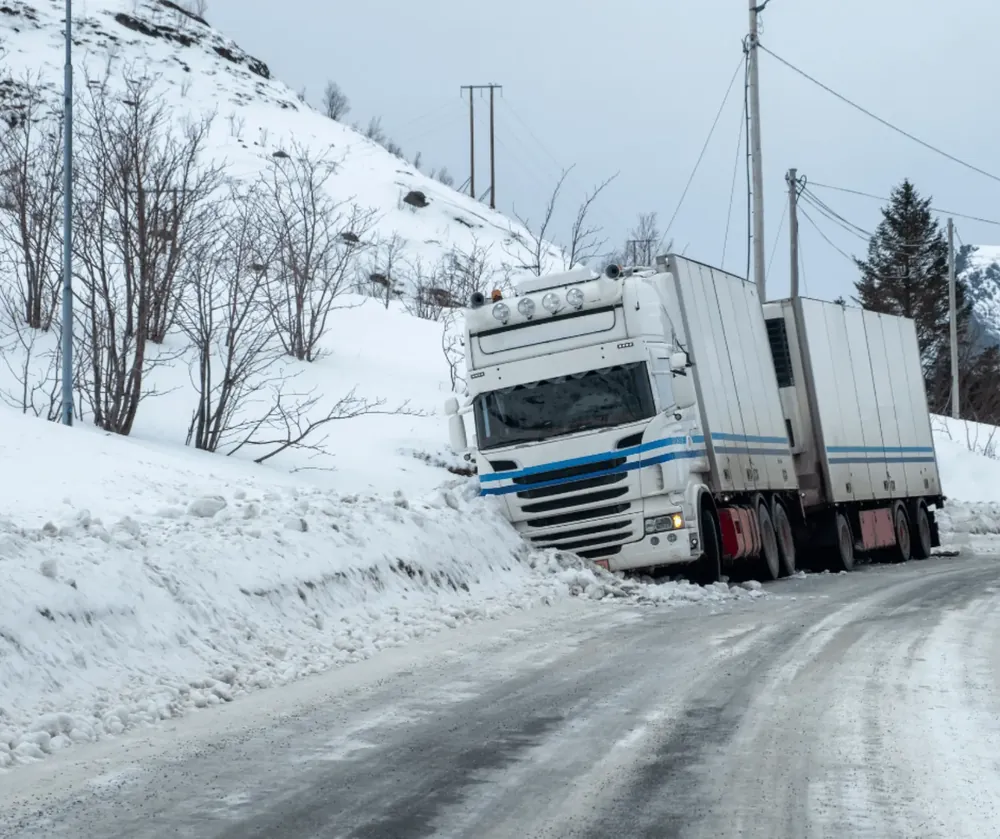
Vehicles navigating a wet roadway during poor weather.
Rain and low visibility increase stopping distance and crash risk.
Drivers proceeding cautiously in adverse weather conditions.
Slippery surfaces and reduced traction can lead to collisions.

Understanding Weather-Related Accidents

Weather conditions can significantly increase the likelihood of car accidents and the severity of injuries. Slippery roads, poor visibility, and sudden weather changes can lead to collisions. Determining liability may require examining road conditions, weather reports, and driver behavior.

When Conditions Are Worst, Help Is Farthest Away

Weather crashes tend to happen in exactly the environments where EMS response is slowest: rural roads in ice, snow, or fog, far from the nearest trauma centre. Our 2024 federal crash data analysis found that rural victims waited a median of 49 minutes from emergency call to hospital arrival, compared to 30 minutes in urban areas — a 19-minute gap that applies most sharply to the single-car weather crashes that happen on isolated roads. (Cash4Crashes analysis of NHTSA FARS 2024. Full study: The Golden Hour You Do Not Get.)

If you were in a weather crash on a rural road: accept ambulance transport if offered, get the EMS run report (it is a contemporaneous record of your condition), and follow up with a doctor even if you walked away — delayed-onset injuries are common in weather crashes where the vehicle came to rest slowly rather than stopping abruptly.

Were you rear-ended by another driver?

Find out how much compensation you may be entitled to.

What to Do Next

  1. Ensure safety and call 911 if necessary.
  2. Document evidence, including photos and road conditions.
  3. Seek medical attention because weather-related injuries may not be immediately visible.
  4. Consult an attorney to ensure fair compensation.

Frequently Asked Questions

Fault in a weather-related accident depends on whether you were driving safely for the actual conditions, not simply whether weather was a factor, since drivers are expected to reduce speed and increase following distance in rain, snow, ice, or fog. If you were driving at a reasonable speed and still lost control due to a sudden hazard like black ice, weather may be treated as a contributing cause rather than proof of fault. But if you were speeding or following too closely for the conditions, an insurer is likely to argue you bear responsibility despite the weather.

Yes, even relatively low-speed collisions in rain, snow, or icy conditions can cause real injuries like whiplash, sprains, or concussions, since slippery roads can turn a minor loss of control into a collision that occurs before the driver can fully brake. Weather-related crashes are also more likely to involve secondary impacts, like sliding into another vehicle after an initial skid, which can compound the injury. Documentation of both the injury and the specific road conditions at the time supports the claim.

Yes, document weather conditions with photos of the road surface, visibility, and any precipitation at the time of the crash, since this evidence supports whether a driver was operating safely for the conditions or driving too fast for the weather. Note road maintenance issues too, like unplowed snow or missing salt treatment, since a government entity responsible for road upkeep may share liability in some cases. Weather reports and the police report's notation of road conditions add further support.

An attorney can help ensure damages and injuries from a weather-related accident are properly compensated by establishing that the other driver failed to adjust their driving for the conditions, which is the key fault question in these cases rather than the weather itself. An attorney in our network can also evaluate whether a government entity bears partial responsibility for poor road maintenance, such as unaddressed ice or drainage issues, in addition to the other driver's conduct.

Get the Compensation You Deserve

Our experienced rear-end collision attorneys are ready to fight for you. No fee unless you win.

Call Now Free Review