Police Report

Learn about Police Report and your legal options after an accident.

Calling the police after an accident is often required by law, especially if injuries, significant property damage, or disputes occur. A police report provides an official record of the incident, which can be crucial for insurance claims and legal proceedings. Officers document vehicle positions, witness statements, and potential violations. Their report often includes a preliminary fault assessment. Even in minor accidents, having a police report strengthens your claim and reduces disputes. If officers do not respond to minor accidents, you may need to file a report yourself at a local police station within a specific time frame.
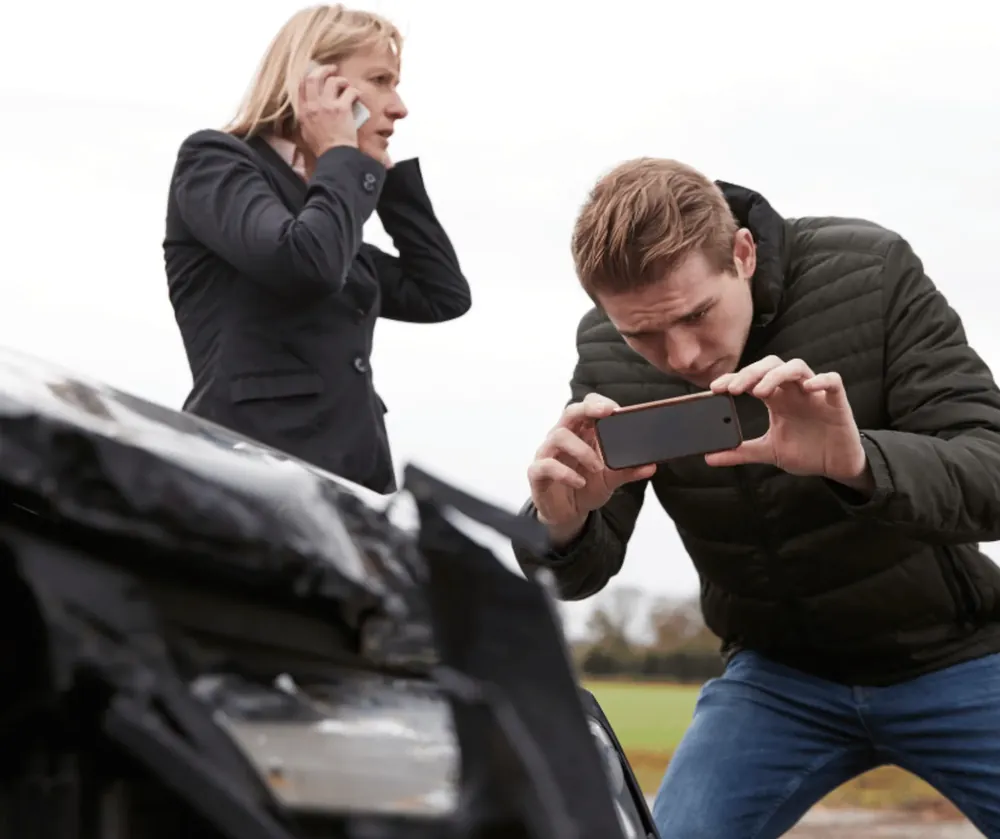
Police Report image
Clear records and early action improve claim outcomes.

What to Do Next:

Request a copy of the report, review it for accuracy, and notify your insurer.

Frequently Asked Questions

Requirements vary by location, but calling is strongly recommended in most cases, especially with injuries, significant property damage, or a dispute over what happened. Officers document vehicle positions, take witness statements, and note potential violations, often including a preliminary fault assessment. That official record reduces disputes later and gives your insurer a neutral account to work from. Even in accidents that seem minor, having a report on file makes your claim easier to support.

Call anyway. You don't need the other driver's agreement to request police at the scene, and an official record protects you regardless of their preference. Officers will document vehicle positions, gather statements from both drivers and any witnesses, and often note a preliminary assessment of fault. If police don't respond to a minor accident, most jurisdictions let you file a report yourself at a local station within a set time frame, so don't skip this step just because the other driver objects.

Contact the law enforcement agency that responded to the accident directly, or check their website, since many departments post request forms or offer online report access. Reports sometimes take a few days to process after the incident before they're available. Once you have a copy, review it for accuracy, checking names, vehicle details, and the described sequence of events, and notify your insurer so the report can be added to your claim file.

It influences insurance decisions but doesn't legally determine fault on its own. The report typically includes the officer's on-scene observations and sometimes a preliminary fault assessment, which insurers weigh heavily when evaluating a claim. Final determinations of liability come from the insurance companies' investigations or, if the case proceeds that far, a court. A favorable police report strengthens your position, but it works alongside your own photos, witness statements, and medical records rather than replacing them.

Get the Compensation You Deserve

Our experienced rear-end collision attorneys are ready to fight for you. No fee unless you win.

Call Now Free Review