Bus Accidents

Bus accidents can involve multiple passengers and complex liability questions. Learn common causes and how claims are evaluated.

Bus Accident Claims

Bus accidents are less common than car crashes but often have serious consequences because of the number of passengers involved. Claims can involve drivers, bus companies, public agencies, and maintenance providers.
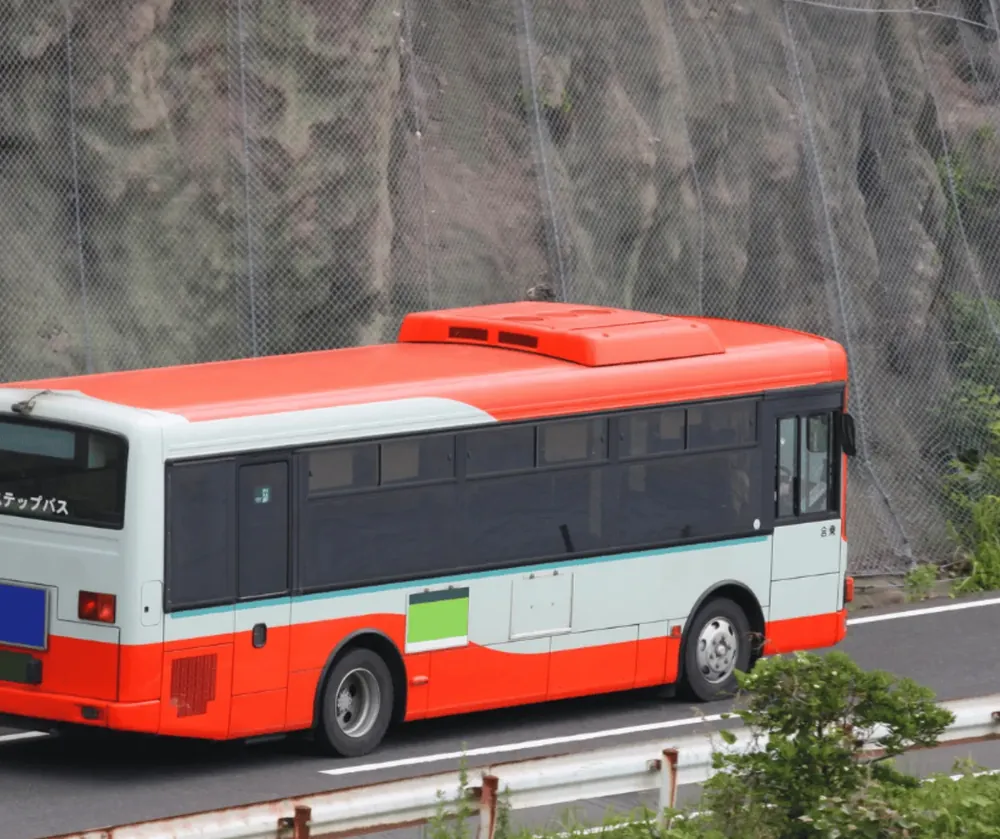
Bus traveling in traffic.
Bus crashes can involve multiple passengers and complex liability questions.

Common Causes of Bus Accidents

Driver error, mechanical failures, weather conditions, road hazards, and unsafe behavior from other drivers can all contribute to bus collisions.

Consequences of Bus Accidents

Bus crashes can lead to serious injuries, fatalities, and significant property damage, along with long-term emotional impacts.

Legal Considerations

Liability may involve the driver, bus company, vehicle manufacturer, or government agencies if road conditions contributed. Many of the same questions discussed in broader commercial vehicle accident liability cases apply here, including driver training, maintenance records, safety compliance, and available witness or surveillance evidence.

Were you injured in a Bus Accidents?

Get a free case evaluation from an experienced attorney today.

Types of Bus Accidents
Frequently Asked Questions

Driver error is the most common cause of bus accidents, including fatigue from long or irregular shift schedules, distraction from phones or dashboard systems, and speeding to stay on a tight route timetable. Other frequent causes include poor vehicle maintenance, such as worn brakes on a heavy vehicle that needs a longer stopping distance, and improper training on how to handle a bus's larger blind spots and wider turning radius. Because buses are commercial vehicles, the operating company's hiring, training, and maintenance practices are often just as relevant to the cause as the driver's individual conduct.

Bus accidents tend to produce more severe outcomes than typical passenger-car crashes because of the vehicle's size, weight, and passenger capacity. A bus's mass means greater force is transferred in a collision, and many buses lack seat belts, leaving standing or seated passengers vulnerable to being thrown during sudden stops or rollovers. With dozens of passengers on board, a single crash can produce multiple injury claims at once, involving different injury types and degrees of fault depending on where each passenger was seated or standing at the time of impact.

Liability in a bus accident can extend beyond the driver. The bus company itself may be liable under respondeat superior for a driver's on-the-job negligence, or directly liable for inadequate training, hiring, or maintenance practices. If a mechanical failure like faulty brakes contributed to the crash, the vehicle or parts manufacturer could share responsibility. When the bus is operated by a public transit agency, government liability rules and shortened notice-of-claim deadlines often apply, and if poor road maintenance or design contributed, a city or state agency may also be a liable party.

Bus accidents are best prevented through rigorous driver training that covers the vehicle's larger blind spots, longer stopping distances, and wider turning radius compared to passenger cars, combined with enforced limits on driver hours to prevent fatigue. Regular, documented vehicle maintenance — particularly of brakes, tires, and steering systems — reduces mechanical failure risk on a vehicle that carries significant weight. Strict adherence to traffic laws and route speed limits, along with company-level safety oversight and monitoring technology, rounds out the practices that most effectively reduce the frequency and severity of bus crashes.

When a bus is equipped with seat belts, passengers should use them, since restraints reduce the risk of being thrown from a seat or ejected during sudden braking, a collision, or a rollover. Many transit and school buses, however, are not equipped with seat belts at all, relying instead on compartmentalization — closely spaced, padded seats designed to absorb impact — which is a different safety approach that works less effectively for standing passengers. Whether seat belts were available and used can become relevant to an injury claim if a passenger's injuries were affected by their restraint status.

After a bus accident, get medical attention promptly, even for injuries that seem minor, since impacts involving a heavy vehicle can cause delayed-onset injuries. Document the scene with photos of the bus, any visible damage, and your position at the time of the crash, and get contact information for other passengers and witnesses, since bus accidents often involve multiple riders whose accounts can matter later. Because bus accidents frequently involve a commercial operator, a public agency, or both, getting legal guidance early can help identify which insurance policies and notice deadlines apply to your specific situation.

Injured in a Bus Accidents? We Can Help.

Our network of experienced attorneys has recovered millions for car accident victims. Get your free case review today.

Call Now Free Review