Construction Vehicle Accidents

Construction vehicles are heavy and powerful, and crashes can lead to severe injuries and complex claims.

Construction vehicle accidents are a serious concern on worksites and public roads. These vehicles, including cranes, bulldozers, excavators, and dump trucks, operate in hazardous conditions and can cause severe injuries, fatalities, and extensive property damage.
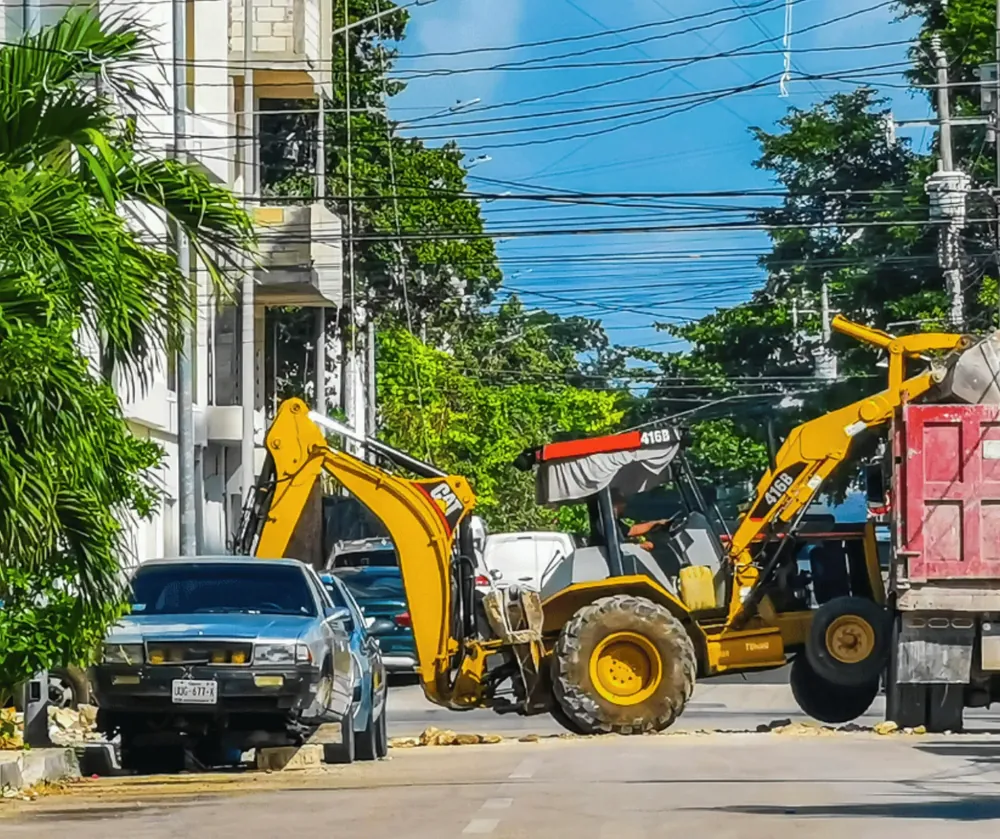
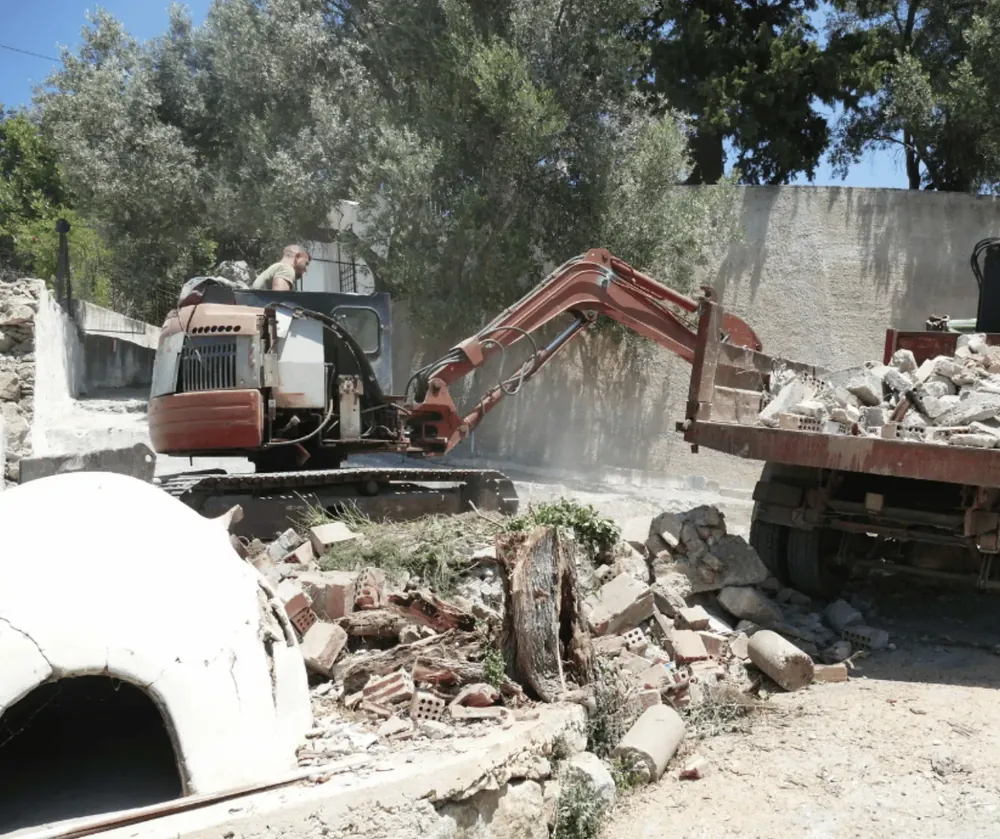
Construction vehicle at a worksite.
Construction vehicles operate in hazardous conditions with high injury risks.
Heavy construction equipment in operation.
Maintenance and safety procedures are critical in construction vehicle operations.

Common Causes of Construction Vehicle Accidents

  • Operator error: Fatigue, inattention, lack of training, or reckless operation.
  • Mechanical failures: Brake, hydraulic, steering, or safety control failures.
  • Unsafe worksite conditions: Uneven terrain, poor lighting, or inadequate barriers.
  • Weather conditions: Rain, snow, fog, or high winds that reduce visibility or traction.
  • Collisions with vehicles or workers: Poor coordination near traffic, pedestrians, or equipment.

Consequences of Construction Vehicle Accidents

  • Injuries: Broken bones, head trauma, crush injuries, or amputations.
  • Fatalities: Severe incidents can be deadly.
  • Property damage: Vehicles, buildings, and equipment can be heavily damaged.
  • Worksite shutdowns: Investigations and delays can lead to financial loss.

Were you rear-ended by another driver?

Find out how much compensation you may be entitled to.

Legal Considerations

Liability may involve the operator, construction company, equipment manufacturer, or subcontractors. Construction rigs are part of broader commercial vehicle accident claims when they are being used for business purposes on a roadway or near active traffic. Key factors include operator training, maintenance records, compliance with safety regulations, and site documentation. Victims may seek compensation for medical expenses, lost income, pain and suffering, and property damage.

Types of Construction Vehicle Accidents

Frequently Asked Questions

Operator error is the leading cause of construction vehicle accidents, often stemming from inadequate training on heavy equipment like excavators, dump trucks, or cranes, as well as fatigue from demanding work schedules. Other common causes include poor visibility around large equipment with significant blind spots, failure to use required spotters or backup alarms, and inadequate site traffic control separating vehicles from workers and the public. Because construction sites often involve subcontractors and equipment owned by different companies, more than one party's practices can contribute to how and why the accident occurred.

Construction vehicle accidents frequently result in serious injuries or fatalities because equipment like excavators, bulldozers, and dump trucks is massive, powerful, and often moving in areas with limited visibility for both operators and bystanders. Crushing injuries, being struck by swinging equipment or falling loads, and rollovers are common mechanisms of harm that differ from typical passenger-vehicle collisions. The severity is compounded when the injured person is a pedestrian, cyclist, or worker on foot near the equipment, since there is little to no protective structure between them and a multi-ton machine.

Liability for a construction vehicle accident can extend across several parties depending on the cause. The equipment operator may be liable for careless operation, while the construction company or general contractor can be responsible for inadequate training, understaffing, or failing to enforce site safety protocols like spotters and barricades. If a mechanical defect caused the equipment to malfunction, the manufacturer may share liability under product liability principles. On multi-contractor job sites, a subcontractor operating or maintaining the equipment can also be a liable party, making it important to identify which company controlled the vehicle at the time.

Reducing construction vehicle accidents starts with certified, equipment-specific operator training, since machines like cranes and excavators require different skills than standard vehicles. Regular, documented maintenance schedules catch mechanical issues like brake or hydraulic failures before they cause an incident, while consistent adherence to safety regulations — including the use of spotters, backup alarms, and clearly marked exclusion zones — keeps workers and bystanders away from equipment blind spots. Site-level safety oversight and enforcement, not just individual operator caution, is generally what determines whether these prevention measures actually hold up in practice.

Pedestrians should be cautious around construction vehicles because heavy equipment like excavators, dump trucks, and cranes often has significant blind spots and requires a long stopping or swing distance that is easy to underestimate from the ground. Following posted warning signs, staying behind barricades and exclusion zones, and never assuming an operator has seen you are important precautions, since operators may be focused on the task rather than scanning for pedestrians. When a construction site fails to properly barricade active equipment areas from public walkways, that failure can itself become a basis for liability if a pedestrian is injured.

After a construction vehicle accident, seek medical attention right away, since injuries involving heavy equipment — crush injuries, fractures, or internal trauma — can be more serious than they initially appear. Document the scene with photos of the equipment involved, the site conditions, any posted warnings or lack thereof, and get contact information for witnesses, since construction sites can change quickly once work resumes. Because these cases often involve multiple potentially liable parties, including contractors, subcontractors, and equipment owners, consulting a legal professional early can help identify who was actually responsible before evidence or witnesses become harder to track down.

Get the Compensation You Deserve

Our experienced rear-end collision attorneys are ready to fight for you. No fee unless you win.

Call Now Free Review