Property Damage

Learn about Property Damage and your legal options after an accident.

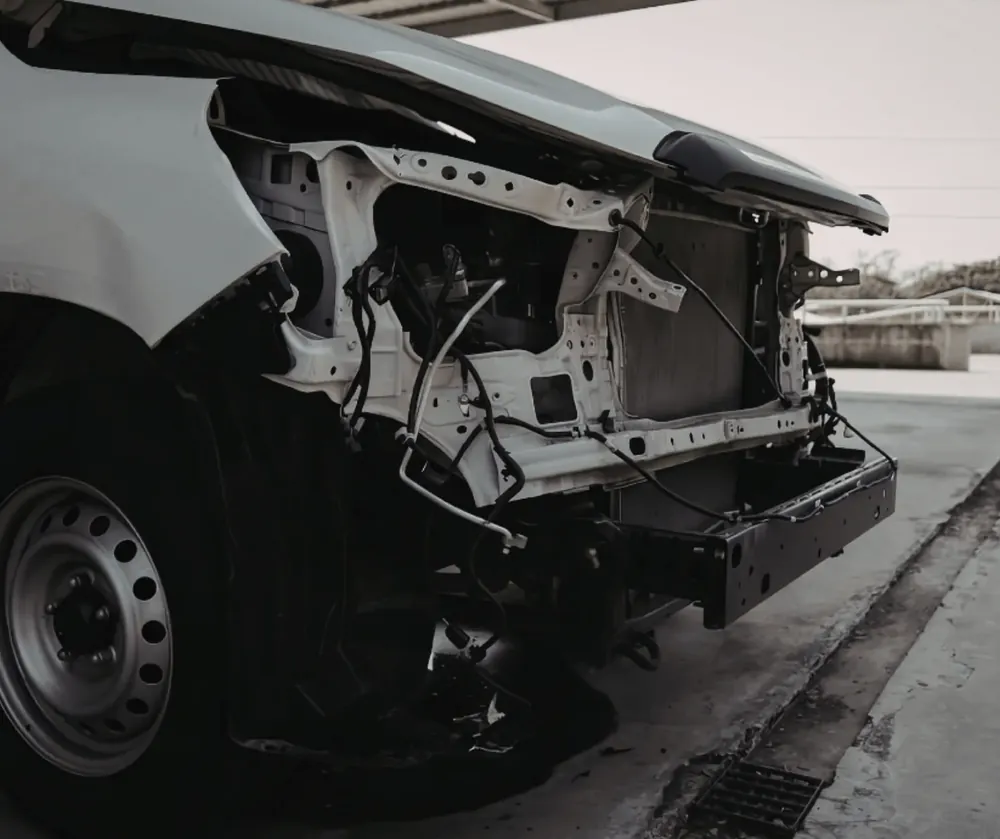
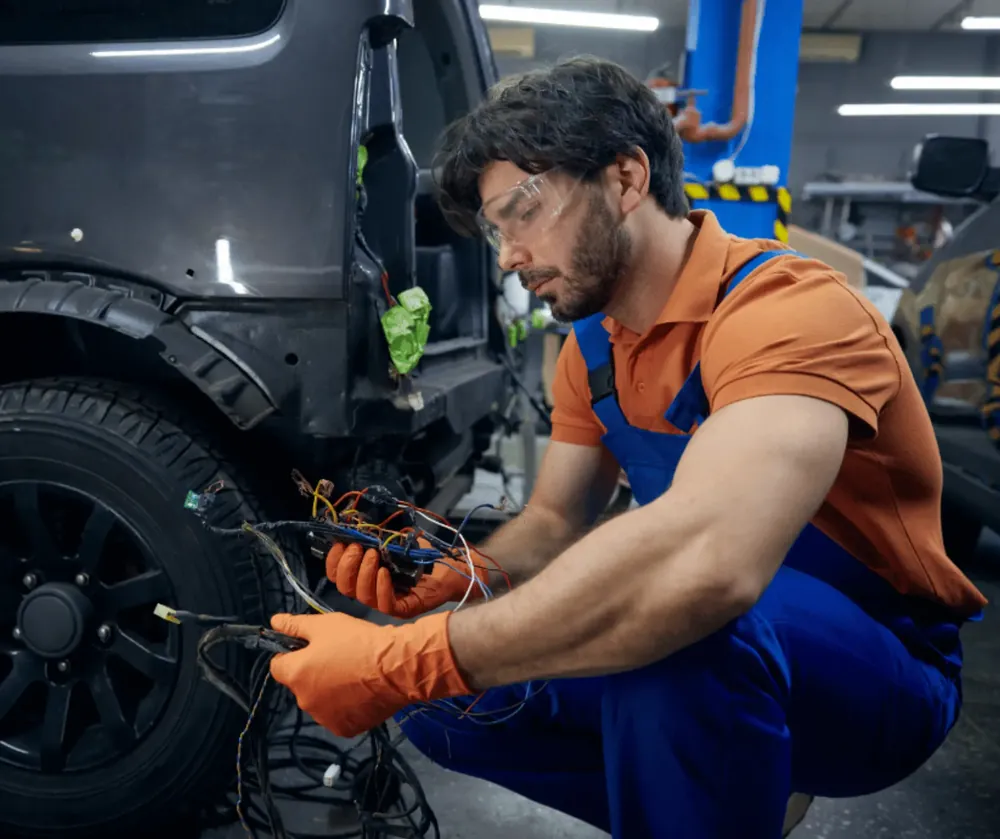
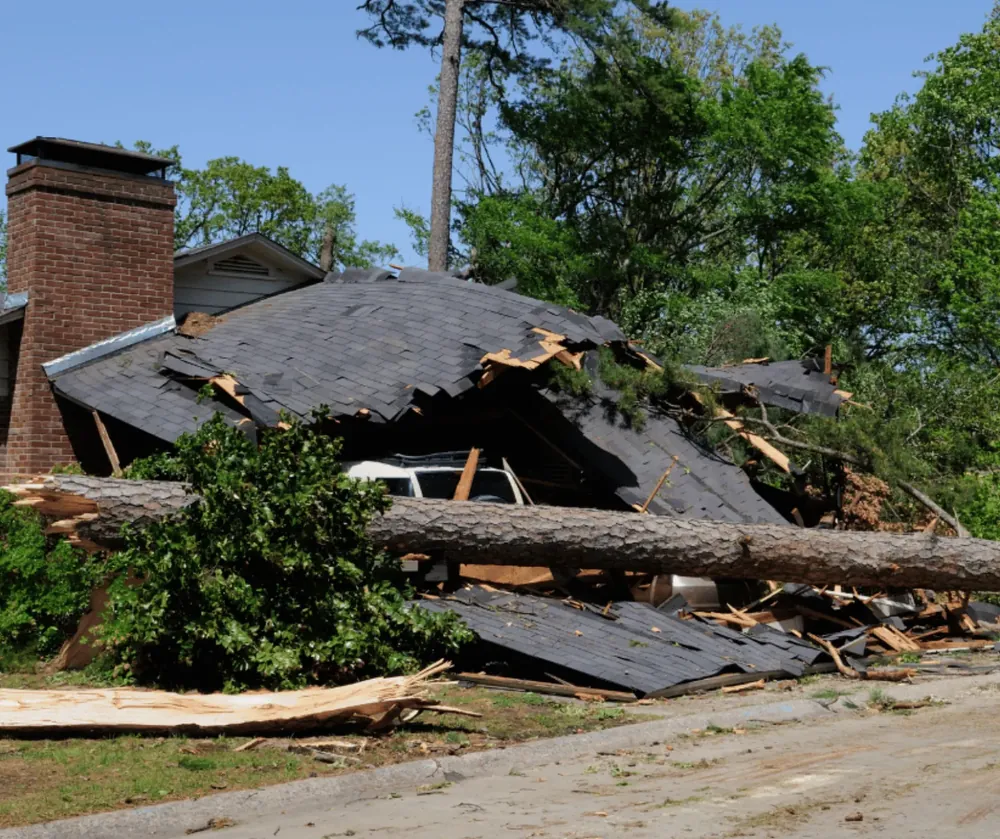
Property damage compensation addresses the financial losses related to vehicle damage and personal property destroyed in a crash. For many accident victims, repairing or replacing a vehicle is an immediate concern. Property damage claims may include repair costs, total loss payments, towing and storage fees, rental car expenses, and damage to personal items such as electronics or child safety seats. Insurance companies typically assess vehicle damage through repair estimates or total loss valuations. In some cases, disputes arise regarding the vehicle's fair market value. While property damage claims are usually resolved more quickly than injury claims, careful documentation and accurate valuation remain important to ensure fair compensation.
Property Damage image
Documentation quality and long-term impact both influence case value.

What This Page Covers

This page explains key legal and practical factors that can influence compensation outcomes in accident claims.

Why Documentation Matters

Medical records, wage evidence, and consistent treatment history are central to proving damages and claim value.

Were you rear-ended by another driver?

Find out how much compensation you may be entitled to.

Types of Property Damage
Frequently Asked Questions

It covers financial losses tied to vehicle damage and destroyed personal property, including repair costs, total loss payments, towing and storage fees, rental car expenses, and items like electronics or child safety seats damaged in the crash. Insurers typically assess vehicle damage through repair estimates or a total loss valuation. Documenting each item and expense separately helps ensure nothing is left out of the claim.

Insurers rely on repair estimates from body shops or their own appraisers, or on a total loss valuation when repair costs are too high relative to the car's worth. Fair market value assessments compare similar vehicles, mileage, and condition. Disputes arise most often over what the vehicle was actually worth before the crash, which is why keeping maintenance records and proof of upgrades matters.

Property damage claims are usually resolved faster than injury claims because the loss is easier to document and value. Repair estimates or a total loss valuation can often be finalized once an adjuster inspects the vehicle, without waiting on medical treatment to conclude. Delays typically come from disputes over the estimate amount or fair market value, so accurate, itemized documentation upfront helps keep the timeline short and avoids repeated back-and-forth with the adjuster.

Personal property destroyed or damaged in the crash, such as electronics or a child safety seat, can be included alongside vehicle repair or replacement costs. Towing, storage, and rental car expenses incurred because of the accident are also part of this category, not a separate claim. Keeping receipts, photos, and an itemized list of damaged belongings supports getting each individual cost reimbursed rather than lumped into one estimate.

Get the Compensation You Deserve

Our experienced rear-end collision attorneys are ready to fight for you. No fee unless you win.

Call Now Free Review