Road Hazard Crashes
Small hazards that cars absorb can destabilize a motorcycle in seconds.
Road hazards like gravel, potholes, and uneven pavement can cause riders to lose control. Liability may involve a driver, contractor, or roadway agency depending on the hazard and the surrounding conditions.
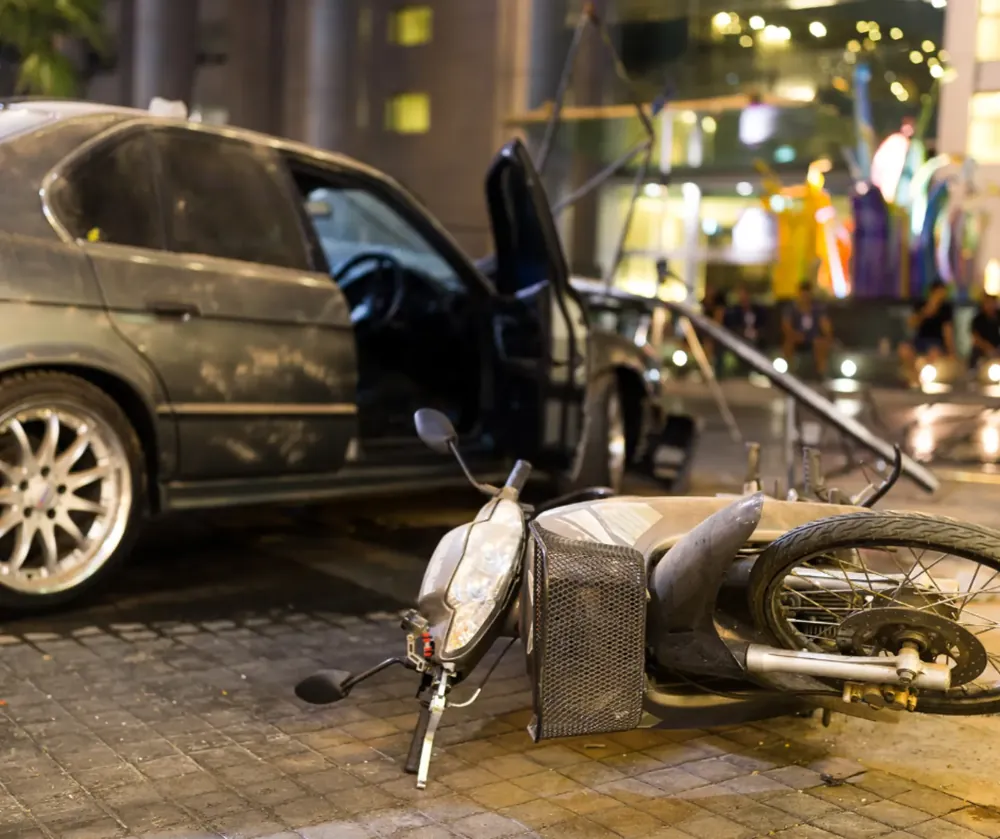
Common Motorcycle Road Hazards
Riders are especially vulnerable to:
- Gravel, sand, and loose debris
- Potholes and uneven pavement
- Slick paint, metal plates, or oil
- Construction zones and unmarked lane shifts
- Dropped loads or tire debris
Who May Be Responsible
Liability depends on how the hazard was created and how long it existed. Potentially responsible parties include:
- Drivers who dropped debris or cargo
- Construction or maintenance contractors
- Roadway agencies that failed to repair known hazards
- Property owners who created unsafe access points
Were you rear-ended by another driver?
Find out how much compensation you may be entitled to.
Documenting a Hazard Crash
Evidence can disappear quickly. Helpful steps include:
- Photograph the hazard from multiple angles
- Capture the location, lane markings, and weather conditions
- Collect witness statements when possible
- Keep damaged gear and motorcycle parts
- Report the hazard to local authorities
Related Topics
Frequently Asked Questions
A city, county, or state agency can be held responsible for a motorcycle crash caused by a road hazard like a pothole, debris, or poor signage, but claims against government entities work differently than claims against private drivers. Most states require a formal notice of claim to be filed within a short window — sometimes as little as 60 to 180 days — well before the general statute of limitations would otherwise apply. Missing that notice deadline can bar the claim entirely, so identifying whether a public agency was responsible for the road should happen as early as possible.
A road hazard that appeared suddenly, such as debris falling from another vehicle or a pothole opening after recent construction, raises the question of who knew or should have known about it. If a government agency had prior notice of the hazard — from complaints, inspection records, or the amount of time it existed — that can support liability; a hazard that formed moments before the crash may point instead to whoever caused it, such as an unsecured load. Photographing the hazard immediately, before repairs or weather erase it, is often the only way to preserve that evidence.
Keep any damaged helmet, riding gear, or bike parts after a road-hazard crash rather than discarding or repairing them. Physical damage to a helmet or jacket can corroborate the force and mechanism of impact, which helps connect the hazard to the injuries claimed, especially head or road-rash injuries where medical records alone may not fully convey severity. Damaged bike components, such as a bent rim or forks, can also support an accident reconstruction of how the hazard was struck, making this evidence useful even before a formal claim is filed.
Get the Compensation You Deserve
Our experienced rear-end collision attorneys are ready to fight for you. No fee unless you win.

