Moped Accidents

Moped crashes often involve visibility issues and disputed liability.

Moped accidents involve small motorized vehicles that share roads with cars, making riders particularly vulnerable to serious injuries. These accidents often involve disputed liability.
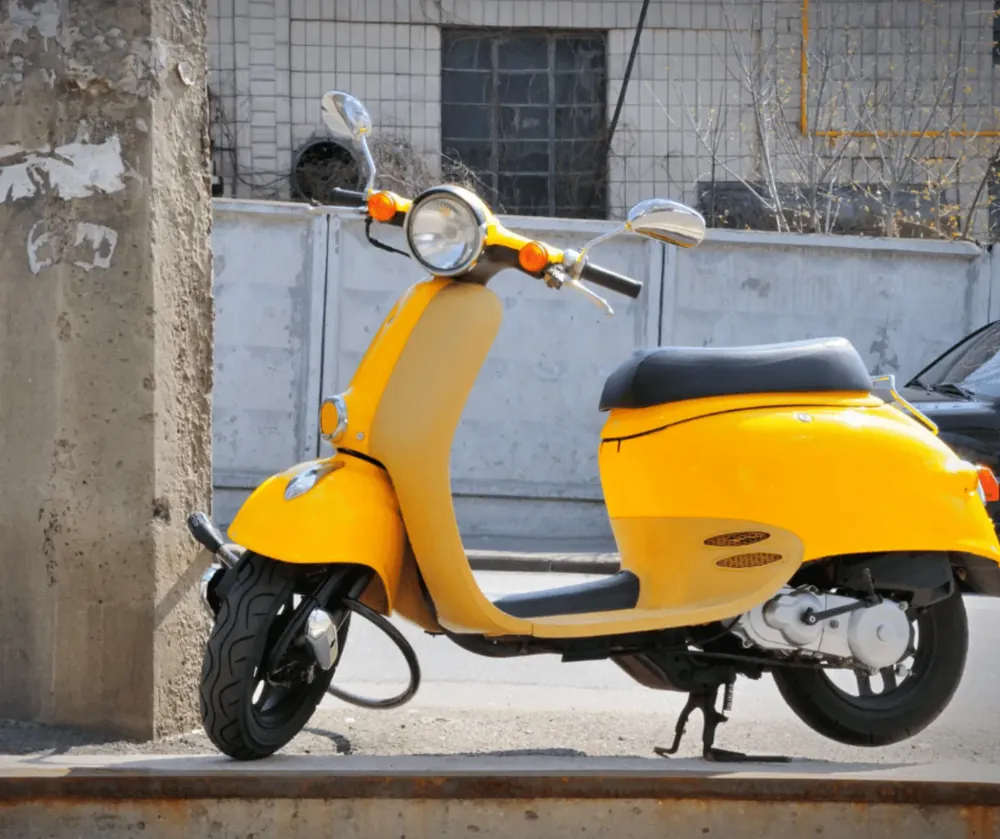
Moped rider in traffic.
Mopeds share roads with larger vehicles and face visibility risks.

Understanding Moped Accidents

Moped crashes may occur due to speeding vehicles, failure to yield, or limited moped visibility. Injuries often include fractures, head trauma, and spinal injuries. Liability may rest with drivers, moped operators, or manufacturers. Because mopeds fall between bicycles and motorcycles legally, insurance coverage can be confusing. Determining fault requires reviewing vehicle classification laws, traffic regulations, and accident details. A comprehensive claim seeks compensation for medical expenses, lost income, and long-term care needs.

Frequently Asked Questions

Not always. Many states classify mopeds separately from motorcycles based on engine size (often under 50cc) and top speed (commonly capped around 30 mph), with lighter licensing, registration, and insurance requirements than full motorcycles. Other states fold mopeds into the same motorcycle category once a certain speed or engine threshold is crossed. Because this classification affects what insurance and safety requirements applied to the moped rider, the specific state definition in place matters when evaluating fault and available coverage after a crash.

Whether a moped rider needs insurance depends on state law and how that state classifies mopeds — some require liability coverage similar to a car or motorcycle, while others exempt low-speed, low-engine-size mopeds from mandatory insurance altogether. Even in states without a moped insurance mandate, a rider injured by a negligent driver can typically still pursue a claim against that driver's auto liability policy, and may be able to rely on their own health insurance or applicable uninsured motorist coverage depending on the circumstances.

Yes, drivers are commonly found at fault in moped crashes, and failure to yield is one of the most frequent causes — for example, a driver turning left across a moped's path or pulling out from a side street without properly checking for a smaller, less visible vehicle. Because mopeds are harder to spot than cars and travel at lower speeds than surrounding traffic, drivers misjudging a moped's speed or simply not looking for one are recurring patterns that support negligence claims after these crashes.

Yes, many states and cities do enforce helmet requirements for moped riders, though the specifics vary — some mandate helmets for all riders regardless of age, others only for riders under 18 or 21, and a handful have no moped-specific helmet law at all. Because mopeds are sometimes classified differently from motorcycles, the helmet rule that applied to your specific moped can depend on its engine size and top speed as much as your state's general helmet statute, so the local classification matters after a crash.

Get the Compensation You Deserve

Our experienced rear-end collision attorneys are ready to fight for you. No fee unless you win.

Call Now Free Review