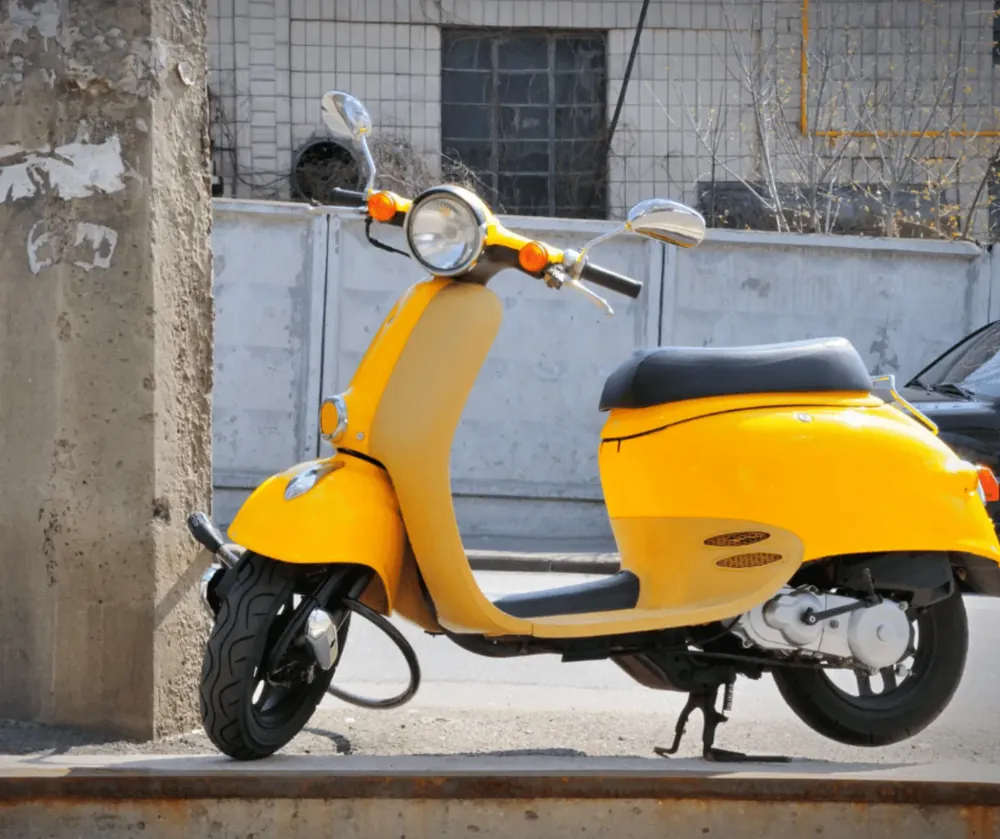
Scooter Accidents

Scooter crashes often involve road hazards, visibility issues, and liability disputes.

Scooter accidents involve traditional motorized scooters and often occur in busy urban environments. These accidents can result in serious injuries due to limited stability and rider visibility.
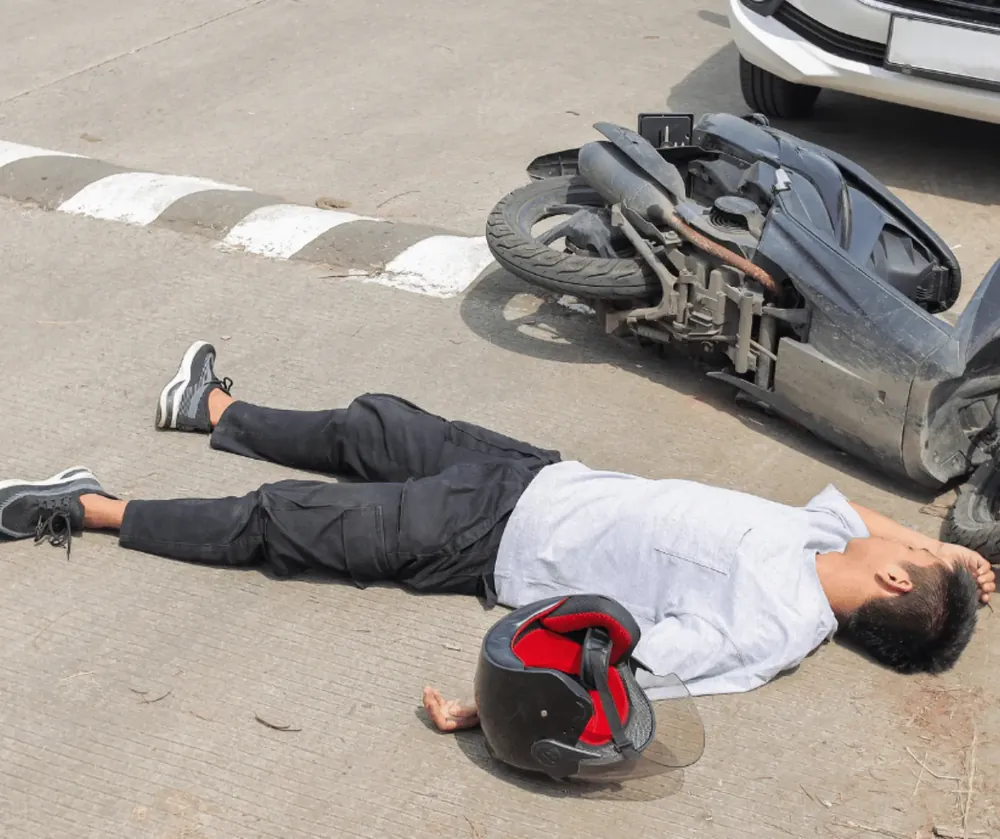
Scooter rider on a city street.
Scooter crashes can involve road hazards and visibility issues.

Understanding Scooter Accidents

Scooter accidents may be caused by distracted drivers, road hazards, uneven pavement, or mechanical failures. Riders commonly suffer head injuries, fractures, and road rash. Liability may involve motorists, scooter operators, manufacturers, or municipalities responsible for road conditions. Insurance disputes are common, as scooters may not be covered under standard auto policies. Establishing fault requires analyzing traffic laws, rider behavior, and equipment condition. Legal claims seek compensation for medical treatment, lost wages, and long-term recovery.

Types of Scooter Accidents
Frequently Asked Questions

No, scooters are generally not treated the same as motorcycles under state law. Many states classify scooters based on engine size or top speed, with smaller mopeds and low-speed scooters facing lighter licensing and insurance requirements than full motorcycles, while larger scooters may fall under motorcycle rules entirely. This classification affects what insurance a rider is required to carry and how liability is evaluated after a crash, so the specific scooter type and state law both matter to the claim.

In many states, scooter riders operating on public roads have largely the same rights as other vehicle operators — including the right of way at intersections and protection under standard traffic law — though the exact rules depend on how the state classifies the specific scooter. Local ordinances can add further restrictions, such as which lanes or paths a scooter may use. Because a driver failing to yield to a scooter rider is often a traffic violation just as it would be with any other vehicle, that failure frequently supports a negligence claim after a crash.

Insurance availability after a scooter accident varies and often involves more than one policy. The at-fault driver's auto liability coverage typically applies if a car caused the crash, while the scooter rider's own auto or renter's/homeowner's policy, health insurance, or uninsured motorist coverage may fill gaps depending on the situation. If a rental or shared scooter service was involved, its terms of service and any provided coverage can also come into play, so identifying every potentially applicable policy is an important early step.

Yes, a scooter accident should be medically evaluated even if injuries seem minor at first, because impacts at scooter speeds can cause soft-tissue injuries, wrist or ankle fractures, and head trauma that don't fully present until hours or days later. Prompt medical documentation also links your injuries to the crash date, which matters if you later pursue a claim against a driver, a rental scooter company, or your own insurance. Waiting to seek care gives insurers grounds to question whether the injury was really caused by the accident.

Get the Compensation You Deserve

Our experienced rear-end collision attorneys are ready to fight for you. No fee unless you win.

Call Now Free Review