Repair

Learn about Repair and your legal options after an accident.

Vehicle repair compensation covers the cost of restoring a damaged car to its pre-accident condition. Insurance adjusters typically rely on professional repair estimates to determine appropriate payment. Victims generally have the right to select their own repair shop. The goal is to ensure quality repairs using appropriate parts and labor standards. If supplemental damage is discovered during repairs, additional estimates may be submitted. Proper documentation of all repair-related expenses helps ensure reimbursement for the full cost of restoration.
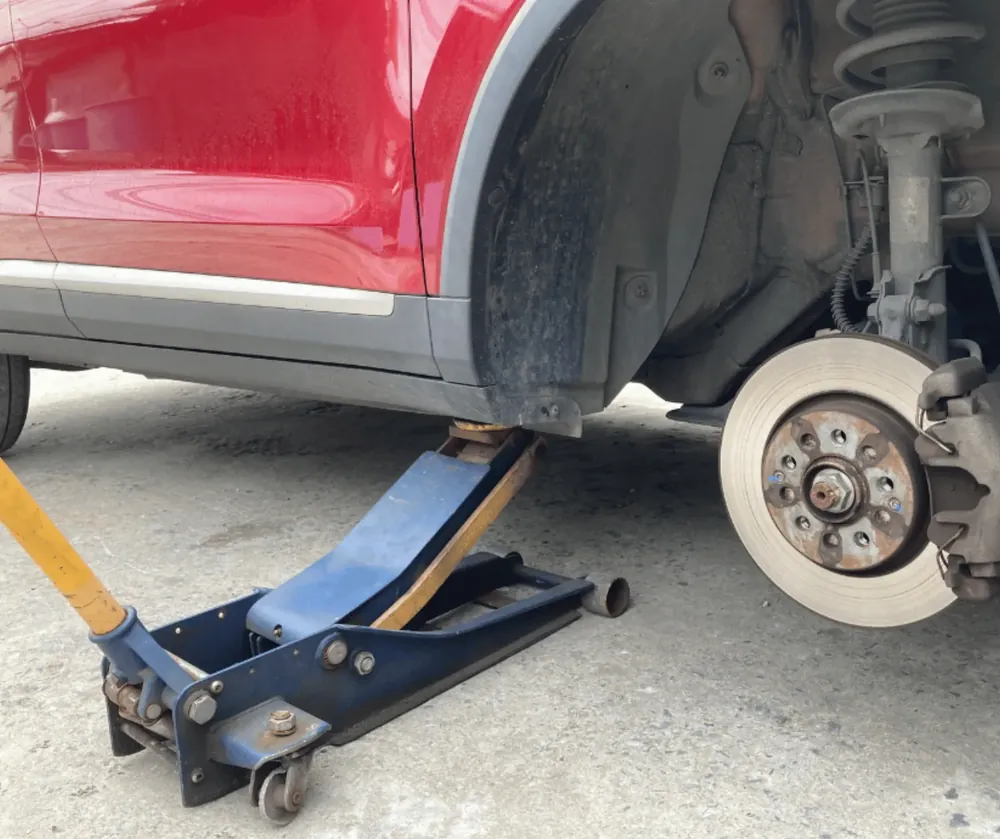
Repair image
Documentation quality and long-term impact both influence case value.

What This Page Covers

This page explains key legal and practical factors that can influence compensation outcomes in accident claims.

Why Documentation Matters

Medical records, wage evidence, and consistent treatment history are central to proving damages and claim value.

Were you rear-ended by another driver?

Find out how much compensation you may be entitled to.

Frequently Asked Questions

It covers the cost of restoring a damaged car to its pre-accident condition, based on a professional repair estimate that an insurance adjuster reviews before approving payment. The goal is quality repairs using appropriate parts and labor standards, not the cheapest possible fix available in the area. Keeping every repair-related receipt, estimate, and supplemental invoice on file helps ensure the full restoration cost is reimbursed, not just the initial quote.

Yes. Victims generally have the right to select their own repair shop rather than being limited to one an insurer recommends. The insurer still reviews and approves the repair estimate, and using a shop with a clear, itemized estimate can make that approval process smoother. Comparing estimates from more than one shop can also help confirm the quoted cost is reasonable.

If a repair shop discovers supplemental damage once the vehicle is disassembled, it can submit an additional estimate to the insurer covering the newly found repairs. This is a normal part of the repair process rather than a sign something went wrong. Documenting the supplemental estimate and photos of the added damage helps support timely reimbursement for the extra cost.

Proper documentation of every repair-related expense, including the original estimate, any supplemental estimates, and receipts for parts and labor, helps ensure reimbursement covers the full cost of restoration. Comparing the final repair invoice against the approved estimate before signing off can catch gaps early, especially when supplemental damage was found mid-repair. Vehicle owners who track this paperwork closely tend to face fewer disputes over the final payout amount.

Get the Compensation You Deserve

Our experienced rear-end collision attorneys are ready to fight for you. No fee unless you win.

Call Now Free Review