Total Loss

Learn about Total Loss and your legal options after an accident.

A vehicle is considered a total loss when the cost of repairs exceeds a certain percentage of its market value. In these cases, the insurance company pays the vehicle's fair market value rather than covering repairs. Fair market value is typically determined based on comparable vehicles in the area, mileage, condition, and prior damage history. Disputes sometimes arise if the owner believes the valuation is too low. Documentation such as maintenance records and proof of recent upgrades may support a higher valuation in a total loss claim.
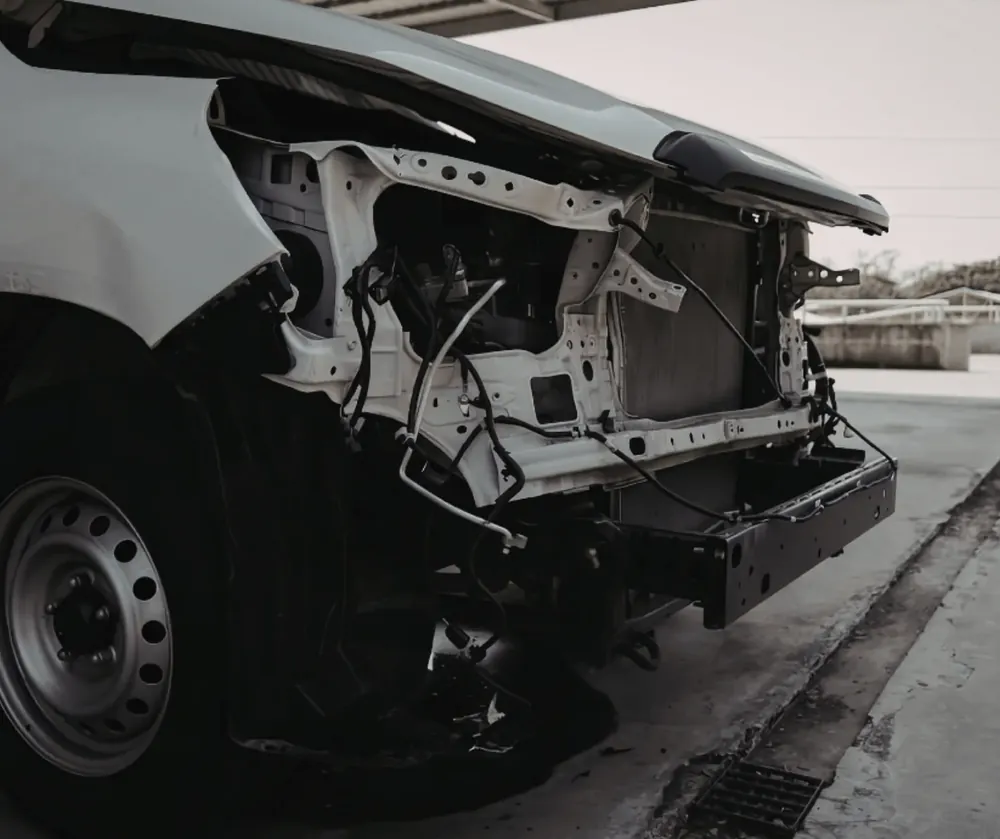
Total Loss image
Documentation quality and long-term impact both influence case value.

What This Page Covers

This page explains key legal and practical factors that can influence compensation outcomes in accident claims.

Why Documentation Matters

Medical records, wage evidence, and consistent treatment history are central to proving damages and claim value.

Were you rear-ended by another driver?

Find out how much compensation you may be entitled to.

Frequently Asked Questions

A vehicle is declared a total loss when the cost of repairing it exceeds a certain percentage of its market value, at which point the insurer pays the car's fair market value instead of covering repairs. That threshold is set by the insurer's own formula rather than the owner. Once a car is totaled, the claim shifts from a repair estimate to a valuation dispute.

Fair market value is typically based on comparable vehicles sold in the area, adjusted for the car's mileage, condition, and any prior damage history before the crash. Insurers usually pull this comparison from local listings rather than national averages, which can shift the result. Because the specific comparison vehicles chosen can swing the number significantly, reviewing the insurer's full valuation report closely is worthwhile before accepting the offer.

Owners who believe a total loss valuation is too low can dispute it by providing documentation the insurer's comparison may have missed, such as maintenance records or proof of recent upgrades. These records can support an argument for a higher fair market value than the insurer's initial figure. Disputes are more likely to succeed when the added evidence is specific and verifiable, not just a general objection to the number.

It can. Maintenance records and proof of recent upgrades help demonstrate the vehicle was in better-than-average condition for its age and mileage, which can support a higher fair market value determination. Without that documentation, an insurer's valuation defaults to broader assumptions about comparable vehicles in the area. Keeping service records on hand before an accident happens makes this evidence easier to produce quickly.

Get the Compensation You Deserve

Our experienced rear-end collision attorneys are ready to fight for you. No fee unless you win.

Call Now Free Review