Pelvis
Learn about Pelvis and your legal options after an accident.
Pelvic fractures are serious injuries that typically result from high-impact accidents such as car crashes, truck collisions, motorcycle accidents, and pedestrian impacts. Because the pelvis protects major organs and blood vessels, fractures in this area often involve additional complications beyond the broken bone itself. Pelvic fractures can range from stable cracks to complex breaks involving multiple bones and joints. Severe pelvic injuries may cause internal bleeding, organ damage, and nerve injuries, requiring immediate emergency treatment. Recovery is often lengthy and may involve surgery, extended hospitalization, and rehabilitation. Many victims experience difficulty walking, sitting, or standing for long periods. Pelvic fractures can significantly disrupt daily life, limit mobility, and affect long-term earning capacity, making them a critical focus in injury claims.
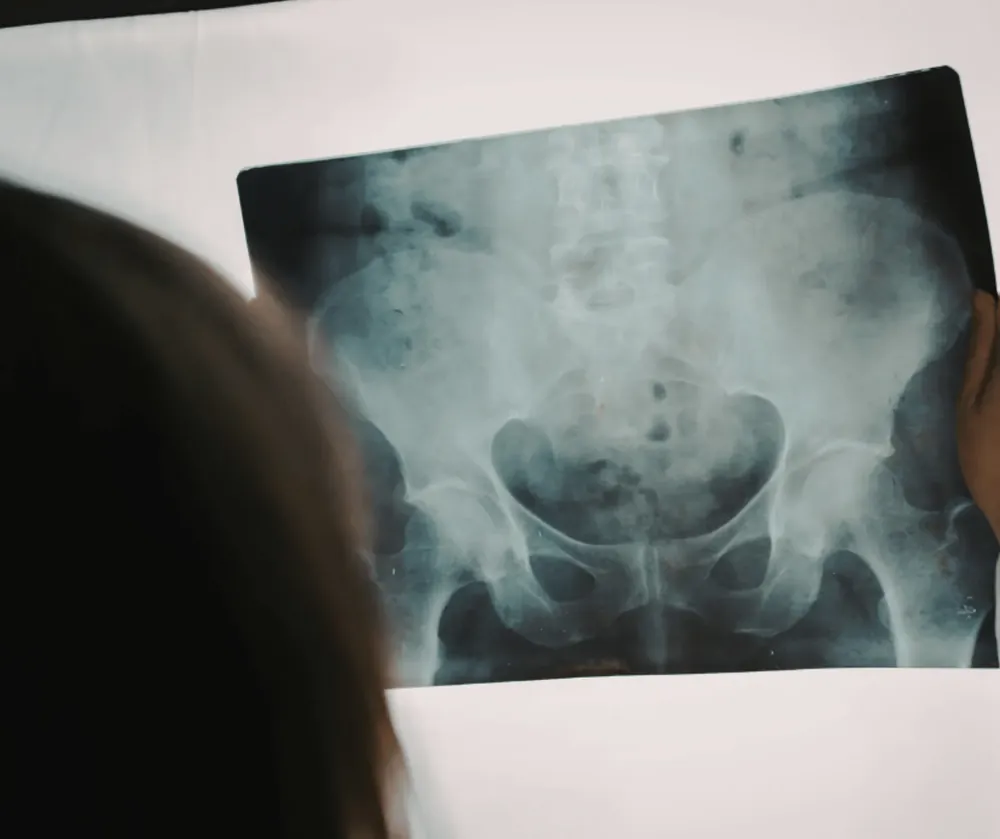
Understanding Pelvic Fractures From Accidents
Pelvic fractures are serious injuries that typically result from high-impact accidents such as car crashes, truck collisions, motorcycle accidents, and pedestrian impacts. Because the pelvis protects major organs and blood vessels, fractures in this area often involve additional complications beyond the broken bone itself.
Pelvic fractures can range from stable cracks to complex breaks involving multiple bones and joints. Severe pelvic injuries may cause internal bleeding, organ damage, and nerve injuries, requiring immediate emergency treatment. Recovery is often lengthy and may involve surgery, extended hospitalization, and rehabilitation. Many victims experience difficulty walking, sitting, or standing for long periods. Pelvic fractures can significantly disrupt daily life, limit mobility, and affect long-term earning capacity, making them a critical focus in injury claims.
What to Do Next
Seek emergency medical care immediately after any suspected pelvic injury. Follow all treatment and rehabilitation instructions closely, and document medical care, mobility limitations, and lost income to support your claim.
Were you rear-ended by another driver?
Find out how much compensation you may be entitled to.
Related Topics
Frequently Asked Questions
Get the Compensation You Deserve
Our experienced rear-end collision attorneys are ready to fight for you. No fee unless you win.

