Wrist Hand
Learn about Wrist Hand and your legal options after an accident.
Wrist and hand fractures are common injuries in car accidents, motorcycle crashes, pedestrian impacts, and slip-and-fall incidents. These fractures often occur when victims instinctively brace for impact or are thrown forward, causing the hands or wrists to absorb significant force. Even low-speed collisions can result in serious fractures due to the complex bone structure of the hands and wrists. Because the hands and wrists are essential for nearly every daily activity, fractures in this area can be especially disruptive. Simple tasks such as driving, typing, cooking, or personal care may become difficult or impossible during recovery. These injuries frequently lead to extended medical treatment and time away from work.
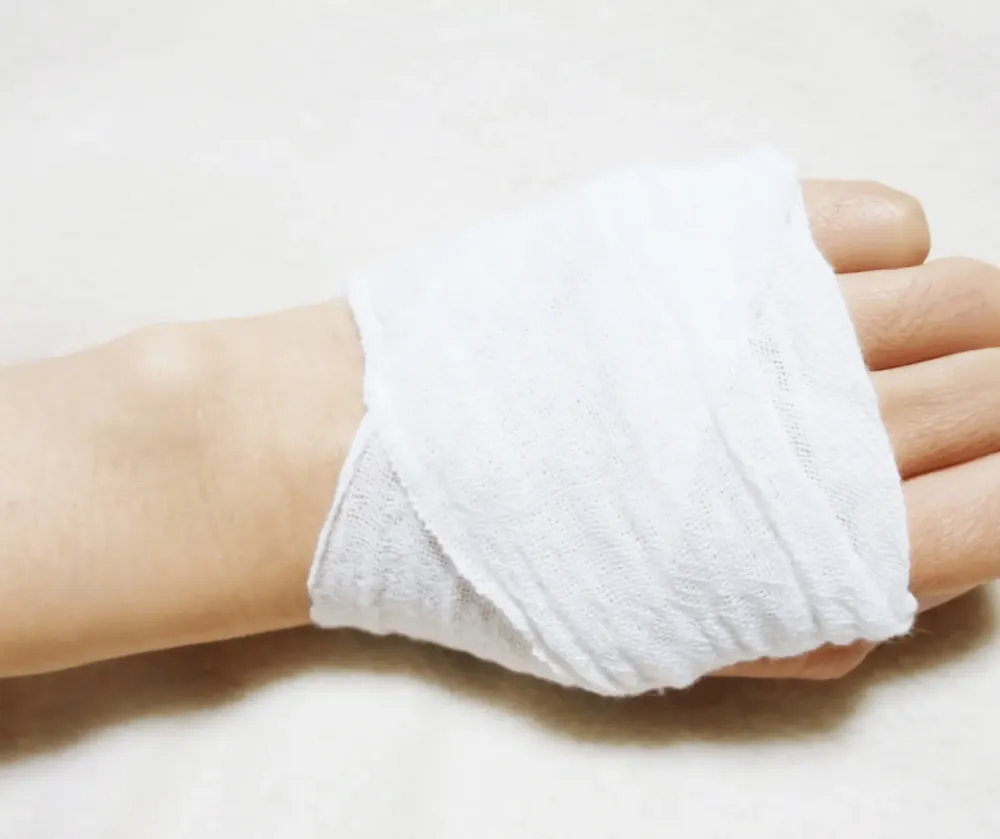
Understanding Wrist and Hand Fractures From Accidents
Wrist and hand fractures are common injuries in car accidents, motorcycle crashes, pedestrian impacts, and slip-and-fall incidents. These fractures often occur when victims instinctively brace for impact or are thrown forward, causing the hands or wrists to absorb significant force. Even low-speed collisions can result in serious fractures due to the complex bone structure of the hands and wrists.
Because the hands and wrists are essential for nearly every daily activity, fractures in this area can be especially disruptive. Simple tasks such as driving, typing, cooking, or personal care may become difficult or impossible during recovery. These injuries frequently lead to extended medical treatment and time away from work.
Types of Wrist and Hand Fractures in Injury Claims
Wrist fractures commonly involve the distal radius, ulna, or carpal bones. One of the most frequent injuries is a Colles' fracture, where the radius breaks near the wrist joint. Hand fractures may affect the metacarpals or finger bones and can involve multiple breaks at once.
Some fractures are non-displaced and heal with casting, while displaced fractures may require surgical intervention using pins, plates, or screws. Comminuted fractures, where the bone breaks into multiple pieces, are particularly serious and often result from high-impact accidents. Ligament damage, nerve compression, and tendon injuries frequently occur alongside fractures, increasing the complexity of treatment and recovery.
Were you rear-ended by another driver?
Find out how much compensation you may be entitled to.
Medical Treatment and Recovery for Wrist and Hand Fractures
Treatment depends on fracture severity and alignment. Many wrist and hand fractures require immobilization with a cast or splint for several weeks. More severe injuries may require surgery followed by physical or occupational therapy to restore strength, flexibility, and fine motor function.
Recovery can take several months, especially if surgery is involved. Even after bones heal, stiffness, reduced grip strength, and chronic pain may persist. Victims whose jobs require manual labor, typing, or precision hand movements often face prolonged work restrictions or permanent limitations.
Delayed treatment or improper healing can result in long-term impairment, arthritis, or reduced hand function.
How Wrist and Hand Fractures Affect Injury Claims
Wrist and hand fractures often lead to substantial injury claims due to their impact on earning ability and daily life. Medical expenses may include imaging, surgery, rehabilitation, and assistive devices. Lost income is common, particularly for workers who rely heavily on hand use.
Pain and suffering compensation reflects prolonged discomfort, reduced independence, and loss of normal activities. If fractures cause permanent impairment, scarring, or loss of dexterity, long-term damages may also apply. Claims are strengthened by clear documentation of functional limitations and work restrictions.
What to Do Next After a Wrist or Hand Fracture Accident
Seek immediate medical attention after any wrist or hand injury, even if swelling or pain appears mild. Follow all treatment and therapy recommendations closely to avoid long-term complications. Keep records of medical visits, work restrictions, missed income, and daily challenges caused by the injury, as these details are critical when pursuing compensation.
Related Topics
Frequently Asked Questions
Get the Compensation You Deserve
Our experienced rear-end collision attorneys are ready to fight for you. No fee unless you win.

