Ribs
Learn about Ribs and your legal options after an accident.
Rib fractures are common but serious injuries that frequently occur in car accidents, truck crashes, pedestrian collisions, and motorcycle wrecks. These injuries usually result from direct blunt force trauma to the chest, such as striking a steering wheel, seatbelt, door frame, or roadway surface. Even moderate-speed impacts can generate enough force to crack or break one or more ribs. Unlike many other broken bones, ribs cannot be immobilized with a cast, making recovery particularly painful and challenging. Every breath, cough, or movement of the torso places stress on the injury. Because ribs protect vital organs like the lungs and heart, fractures in this area carry additional medical risks that often elevate the severity of injury claims.
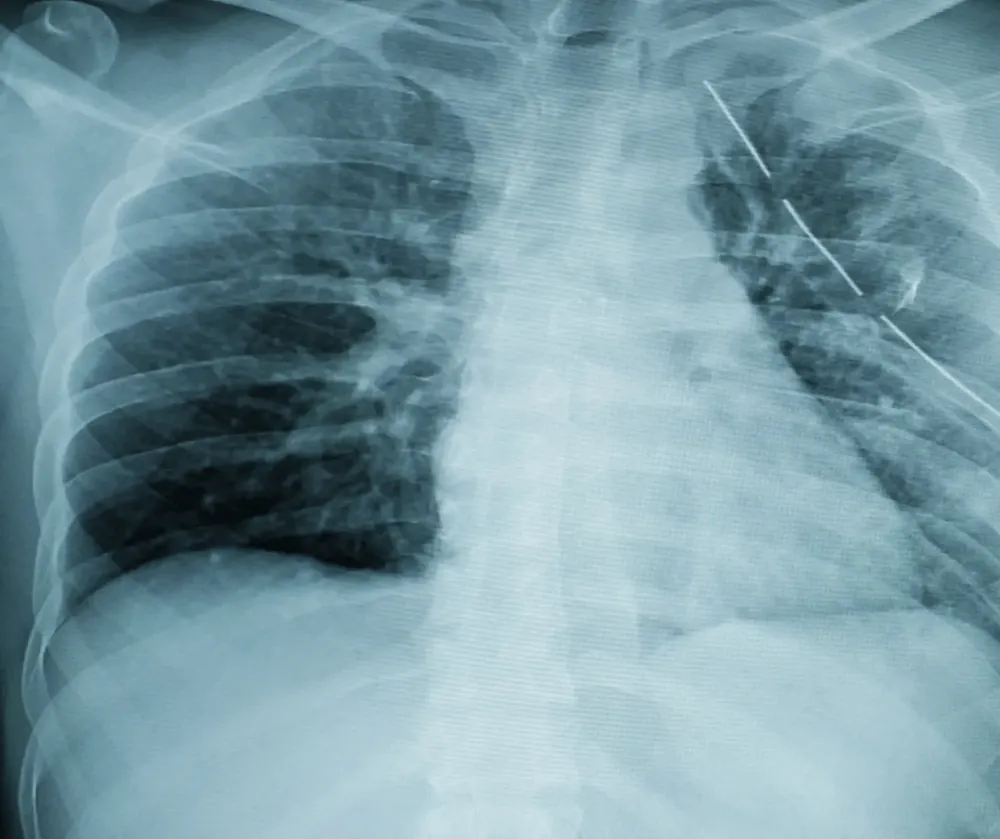
Understanding Rib Fractures From Accidents
Rib fractures are common but serious injuries that frequently occur in car accidents, truck crashes, pedestrian collisions, and motorcycle wrecks. These injuries usually result from direct blunt force trauma to the chest, such as striking a steering wheel, seatbelt, door frame, or roadway surface. Even moderate-speed impacts can generate enough force to crack or break one or more ribs.
Unlike many other broken bones, ribs cannot be immobilized with a cast, making recovery particularly painful and challenging. Every breath, cough, or movement of the torso places stress on the injury. Because ribs protect vital organs like the lungs and heart, fractures in this area carry additional medical risks that often elevate the severity of injury claims.
Types of Rib Fractures Seen in Injury Cases
Rib fractures range from simple hairline cracks to complex multi-rib breaks. Single rib fractures are painful but often manageable with conservative treatment, while multiple rib fractures can significantly compromise breathing and chest stability. In severe cases, victims may suffer flail chest, a dangerous condition where broken ribs move independently from the chest wall.
Displaced rib fractures occur when the broken bone shifts out of alignment, increasing the risk of punctured lungs or internal bleeding. Non-displaced fractures remain aligned but still cause intense pain and breathing difficulty. Rib fractures frequently occur alongside related injuries such as collapsed lungs, bruised organs, or spinal trauma.
The presence of multiple fractures or associated internal injuries can substantially increase medical costs and long-term complications.
Were you rear-ended by another driver?
Find out how much compensation you may be entitled to.
Medical Treatment and Recovery for Rib Fractures
Treatment for rib fractures typically focuses on pain management and respiratory support. Doctors may prescribe pain medication, breathing exercises, and activity restrictions to prevent complications like pneumonia. In more severe cases, hospitalization may be required to monitor lung function or treat internal injuries.
Recovery time varies depending on the number of ribs fractured and the victim's overall health. Healing often takes six to eight weeks, but pain and limited mobility can persist much longer. During recovery, many victims struggle with sleeping, working, and performing basic daily tasks.
Complications such as lung infections or chronic chest pain can extend recovery and significantly affect quality of life.
How Rib Fractures Impact Injury Claims
Rib fractures are taken seriously in personal injury claims because of the pain involved and the potential for life-threatening complications. Claims may include emergency care, imaging studies, hospitalization, medications, and follow-up treatment. Lost wages are common, especially when breathing pain interferes with physical activity or job duties.
Pain and suffering damages are often substantial due to prolonged discomfort, sleep disruption, and restricted movement. If internal injuries occur, compensation amounts may increase significantly. Long-term respiratory issues or chronic pain may justify additional damages.
Clear medical documentation and evidence of daily limitations play a key role in these cases.
What to Do Next After a Rib Fracture Accident
If you sustained rib fractures in an accident, seek medical evaluation immediately, even if pain seems manageable at first. Follow all prescribed breathing exercises and treatment plans to avoid complications. Keep detailed records of pain levels, missed work, medical appointments, and how the injury limits everyday activities, as this documentation is critical when pursuing compensation.
Related Topics
Frequently Asked Questions
Get the Compensation You Deserve
Our experienced rear-end collision attorneys are ready to fight for you. No fee unless you win.

