Distracted Driving Accidents

Distraction behind the wheel can cause sudden and severe collisions.

Distracted driving accidents happen when a driver takes their attention away from the road, whether texting, using a phone, eating, or adjusting controls. A brief moment of distraction can result in collisions with other vehicles, pedestrians, or stationary objects. Knowing your legal options is essential for protecting your rights.
Driver holding a phone while driving.
Distraction is a leading cause of crashes.

Understanding Distracted Driving Accidents

Distracted driving is one of the leading causes of car accidents. Injuries can range from whiplash and broken bones to head trauma and internal injuries. Claims often require proving negligence through evidence such as witness statements, traffic camera footage, or phone records.

What to Do Next

  1. Ensure safety and call 911 if needed.
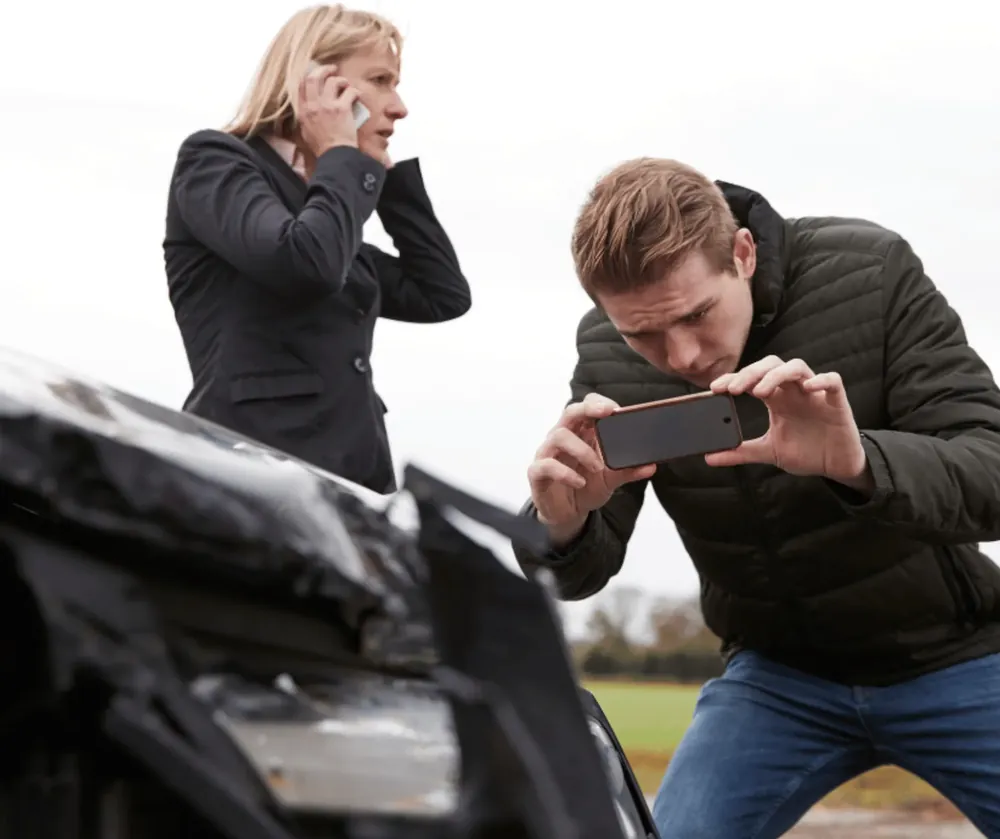
  2. Document the scene, vehicles, and injuries.
  3. Seek medical attention even for minor injuries.
  4. Consult an attorney to secure full and fair compensation.

Were you rear-ended by another driver?

Find out how much compensation you may be entitled to.

Frequently Asked Questions

Distracted driving covers any activity that pulls a driver's attention away from the road, commonly grouped into manual distractions (texting, eating, adjusting a GPS), visual distractions (looking away from the road), and cognitive distractions (daydreaming, being on a phone call), with texting considered especially dangerous because it combines all three. Other examples include reaching for objects, attending to passengers or pets, and using in-car infotainment systems. Evidence of distraction, like phone records or witness accounts, can be pivotal in establishing that a driver breached their duty of care.

Yes, you can file a personal injury or insurance claim if the other driver was distracted, since distracted driving is a form of negligence, a failure to exercise reasonable care while operating a vehicle. Evidence supporting a distraction claim can include the police report, witness statements describing the driver's behavior before impact, and in some cases phone records obtained through discovery showing texting or calls at the time of the crash. Establishing distraction can also strengthen your case by undercutting the other driver's account of what happened.

Injuries from distracted driving crashes can be serious because a distracted driver often fails to brake or react at all before impact, meaning the collision happens at close to full speed rather than being slowed by an evasive maneuver. The severity ultimately depends on the speed involved and the type of collision, whether rear-end, intersection, or head-on, but the lack of driver reaction time common in distraction cases tends to increase the force of impact compared to crashes where the driver attempted to avoid the collision.

A lawyer isn't required for every distracted driving accident, but legal help is valuable because proving distraction, through phone records, witness statements, or the police report, can significantly strengthen a claim and increase a fair settlement. An attorney in our network can help gather that evidence, which the insurer won't proactively hand over, and can push back if the insurer downplays the distraction or tries to shift partial fault onto you under your state's comparative negligence rules.

Get the Compensation You Deserve

Our experienced rear-end collision attorneys are ready to fight for you. No fee unless you win.

Call Now Free Review