Helmet Law Impact on Claims

Helmet rules differ by state and may influence how a claim is evaluated.

Helmet rules vary by state and can affect how claims are evaluated, especially in cases involving head injuries. The legal impact depends on local law and the facts of the crash.
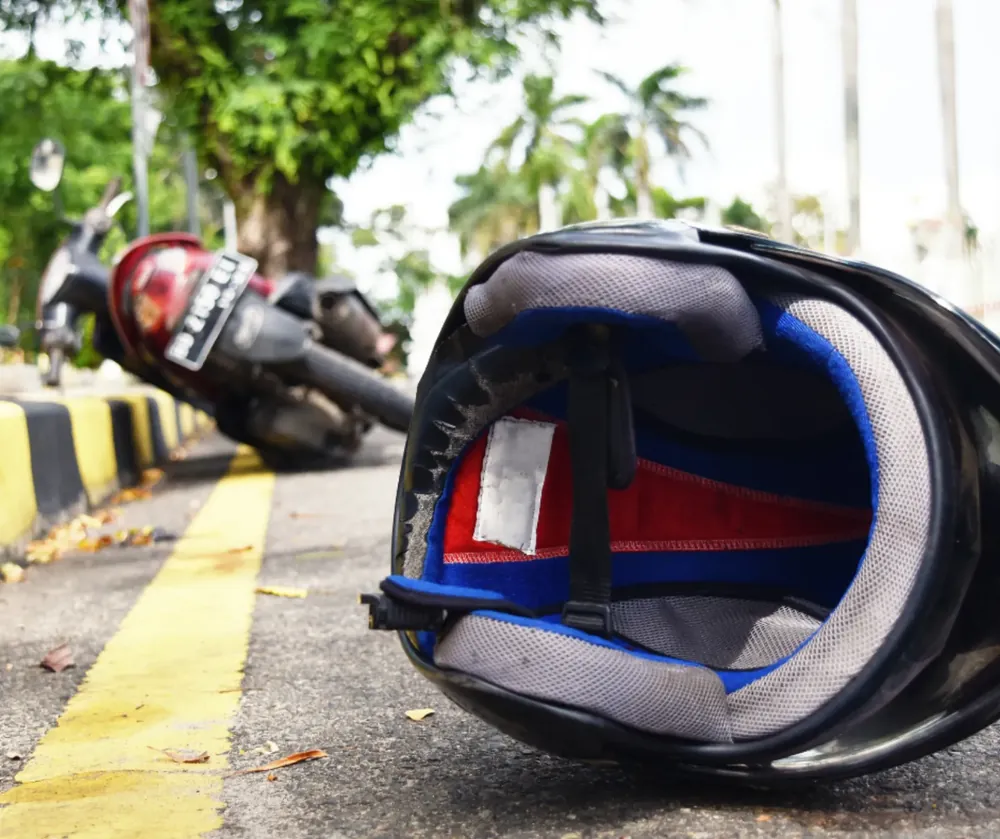
Helmet Law Impact on Claims
Helmet condition and medical records can affect claim evaluation.

How Helmet Laws Factor Into Claims

Helmet use can influence how insurers and courts evaluate damages. Common considerations include:

  • Whether a helmet was required under state law
  • Whether helmet use could have reduced injuries
  • How comparative fault rules apply in the state

Why Helmet Use Still Matters

Regardless of legal requirements, helmet use can affect injury severity and recovery. Medical documentation and helmet condition can help explain the impact of the crash.

Were you rear-ended by another driver?

Find out how much compensation you may be entitled to.

What to Document After a Crash

Helpful documentation includes:

  • Photos of the helmet and any damage
  • Medical records and imaging
  • Witness statements about the collision
  • Receipts for gear and equipment

Frequently Asked Questions

Not wearing a helmet does not prevent you from filing a motorcycle injury claim, even in states with universal helmet laws. Where it can matter is on the damages side: some states allow insurers to argue that a lack of helmet use worsened head or facial injuries specifically, which can reduce compensation for those injuries under comparative negligence principles, while other states bar this argument entirely or limit it to certain damages. The impact depends heavily on the type of injury — a broken leg, for instance, is not affected by helmet use the way a head injury would be.

Helmet laws that apply to motorcycle passengers vary significantly by state. Some states have universal helmet laws requiring helmets for every rider and passenger regardless of age, others require helmets only for passengers under a certain age (commonly 18 or 21), and a few states have no helmet requirement at all. Because the passenger's helmet status can affect an injury claim the same way a rider's can in states that allow the argument, it is worth confirming the specific law in the state where the crash occurred rather than assuming a neighboring state's rule applies.

An insurer cannot automatically deny a motorcycle injury claim simply because the rider was not wearing a helmet. In states that permit the argument, lack of helmet use is typically treated as a comparative-negligence factor that can reduce the compensation awarded for head or facial injuries specifically, not a complete bar to recovery for the crash as a whole. Some states prohibit insurers from raising helmet non-use at all. Because the rules differ so much by jurisdiction, insurers sometimes overstate the effect of helmet use to pressure riders into lower settlements.

Get the Compensation You Deserve

Our experienced rear-end collision attorneys are ready to fight for you. No fee unless you win.

Call Now Free Review