Left-Turn Accidents
Left-turn crashes often occur when drivers turn across a motorcyclist path.
Left-turn collisions are among the most common motorcycle crashes. Drivers may misjudge a motorcycle speed or fail to see the rider when turning across traffic.
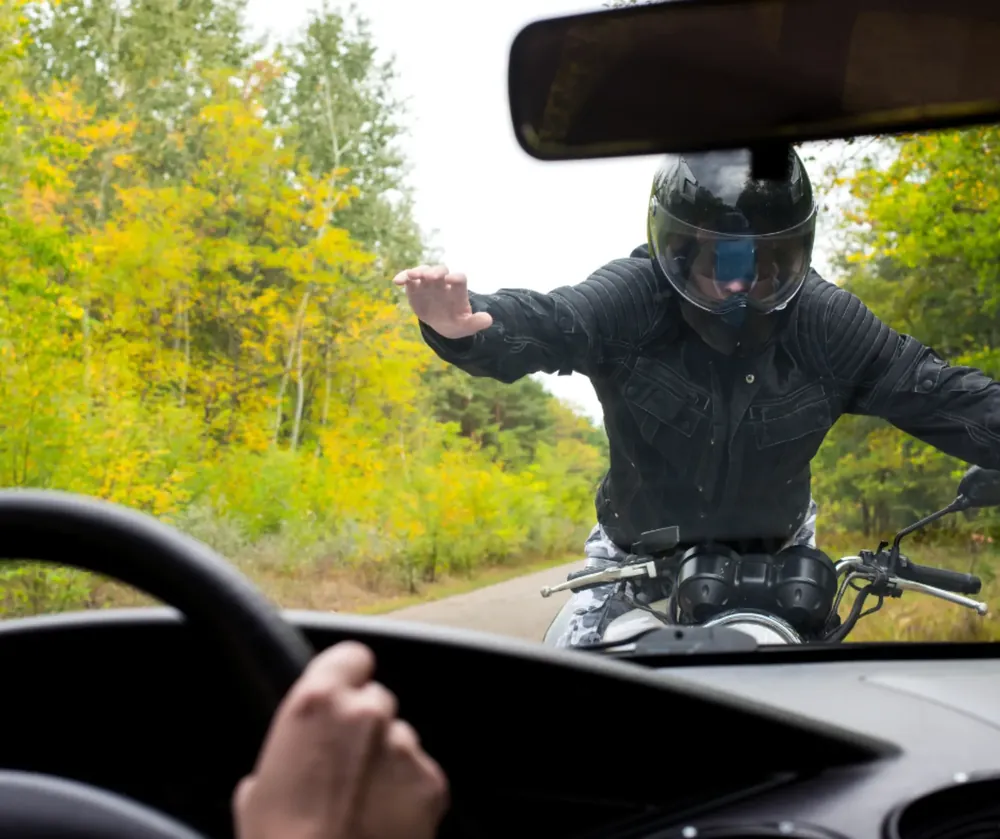
Why Left-Turn Crashes Are Common
Several factors contribute to these collisions:
- Drivers misjudge motorcycle speed or distance
- Visual obstructions at intersections
- Distraction or rushed turns across traffic
- Failure to yield the right of way
Evidence That Shows Fault
Key evidence often includes:
- Traffic signal timing and turn phase
- Point of impact and vehicle positions
- Witness statements and police reports
- Camera footage from nearby businesses or vehicles
Were you rear-ended by another driver?
Find out how much compensation you may be entitled to.
Injury and Damage Considerations
Left-turn crashes can cause severe injuries. Claims often include:
- Emergency medical treatment and ongoing recovery
- Rehabilitation and physical therapy
- Lost income and reduced earning capacity
- Motorcycle repair or replacement costs
Related Topics
Frequently Asked Questions
In most left-turn motorcycle crashes, the turning driver is presumed at fault because traffic law generally requires a vehicle turning left to yield to oncoming traffic, including motorcycles, until the turn can be made safely. That presumption is not absolute — factors like excessive rider speed, running a red light, or an obstructed view can shift some fault onto the motorcyclist. Because riders are smaller and harder to judge distance and speed for, drivers frequently claim they never saw the motorcycle, making early evidence collection important to counter that defense.
If a rider was speeding when a driver turned left in front of them, the turning driver can still bear primary fault, but the rider's speed becomes a factor insurers will raise to argue for shared responsibility. Under most states' comparative fault rules, any speed above the limit that contributed to the crash — for example, by shortening the time the turning driver had to react — can reduce the rider's compensation by an assigned percentage. Accident reconstruction using skid marks, damage patterns, and witness accounts is often used to establish actual speed rather than relying on estimates.
Left-turn motorcycle cases often come down to timing and visibility, so the strongest evidence includes photos of the intersection showing sightlines, traffic signal phase or signage, and final vehicle positions. Independent witness statements are valuable because they can confirm whether the rider had the right of way and how fast each vehicle was traveling. Traffic or business camera footage, if it exists, can resolve disputes over signal timing and speed that would otherwise come down to conflicting driver and rider accounts, making it worth requesting quickly before it is overwritten.
Get the Compensation You Deserve
Our experienced rear-end collision attorneys are ready to fight for you. No fee unless you win.

