Rear-End Motorcycle Crashes
Even low-speed rear-end impacts can knock a rider off balance.
Rear-end collisions are dangerous for riders because there is little protection from impact. These crashes often happen when drivers follow too closely or fail to notice a stopped motorcycle.
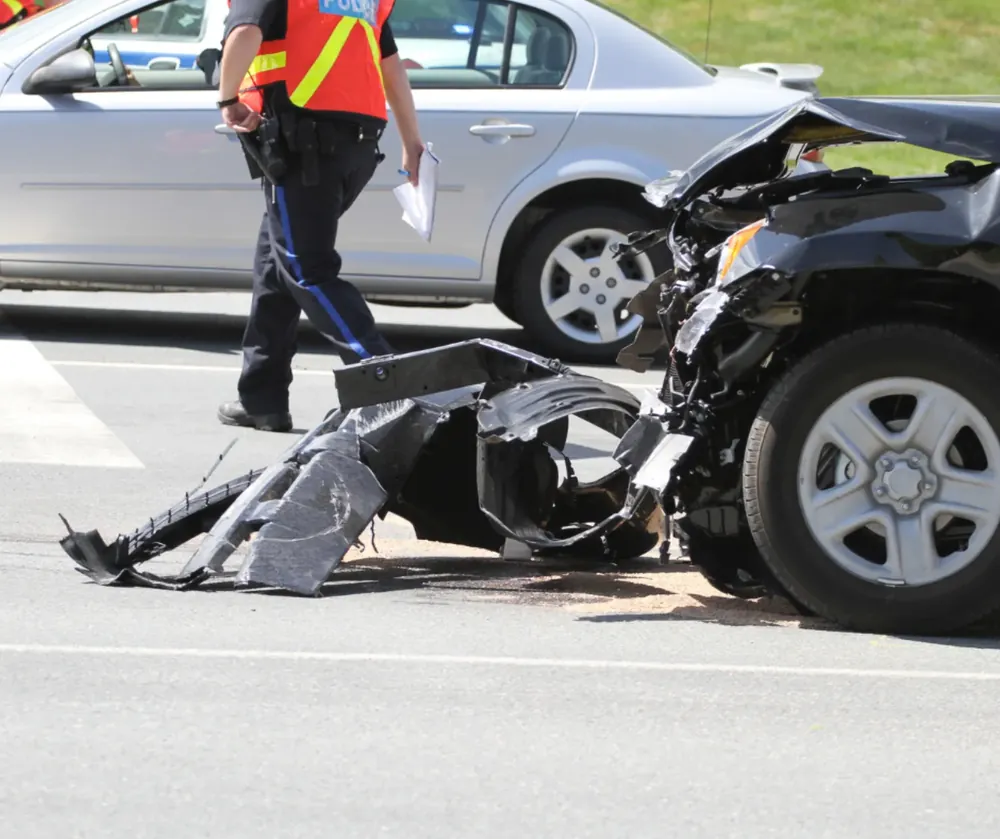
Why Rear-End Motorcycle Crashes Happen
Common causes include:
- Tailgating or unsafe following distance
- Driver distraction and delayed braking
- Poor visibility in traffic or at night
- Sudden stops without enough space to react
Liability and Evidence
Fault often centers on following distance and attention. Helpful evidence includes:
- Skid marks and impact points
- Brake light and signal function
- Dashcam or traffic camera footage
- Witness statements and police reports
Were you rear-ended by another driver?
Find out how much compensation you may be entitled to.
Damages and Recovery
Claims may include:
- Emergency medical treatment and follow-up visits
- Lost income and reduced earning ability
- Motorcycle repair or replacement
- Pain, suffering, and long-term limitations
Related Topics
Frequently Asked Questions
In rear-end motorcycle crashes, the rear driver is generally presumed at fault, since drivers are expected to maintain a safe following distance and react to traffic ahead, including a motorcycle slowing or stopping. This presumption can shift if the rider made a sudden, unsignaled lane change directly in front of the following vehicle, had a malfunctioning brake light, or stopped unexpectedly without cause. Because motorcycles decelerate differently than cars and are harder to see in a following driver's mirrors, insurers may still contest fault, making traffic camera footage or witness accounts valuable.
A non-functioning brake light can complicate a rear-end claim because it removes a signal the following driver relies on to anticipate braking, giving the rear driver's insurer an argument that the rider contributed to the crash. Even so, a broken brake light does not eliminate the rear driver's basic duty to maintain a safe following distance and stay alert. Getting the bike's electrical and brake-light condition documented — through repair records, photos, or a mechanic's inspection — shortly after the crash is important, since insurers will otherwise dispute whether the light was actually out at the time.
Get medical care immediately after a rear-end motorcycle crash, even if injuries seem minor, because impacts that seem low-speed can still cause soft-tissue injuries, road rash complications, or spinal trauma that worsen without early treatment. Prompt medical evaluation also creates a timestamped record linking your injuries to the crash, which insurers rely on heavily — a gap between the accident and treatment is one of the most common reasons insurers argue an injury was unrelated or exaggerated. Follow through with any referrals or follow-up care to avoid gaps that could undermine the claim.
Get the Compensation You Deserve
Our experienced rear-end collision attorneys are ready to fight for you. No fee unless you win.

