Document Scene

Learn about Document Scene and your legal options after an accident.

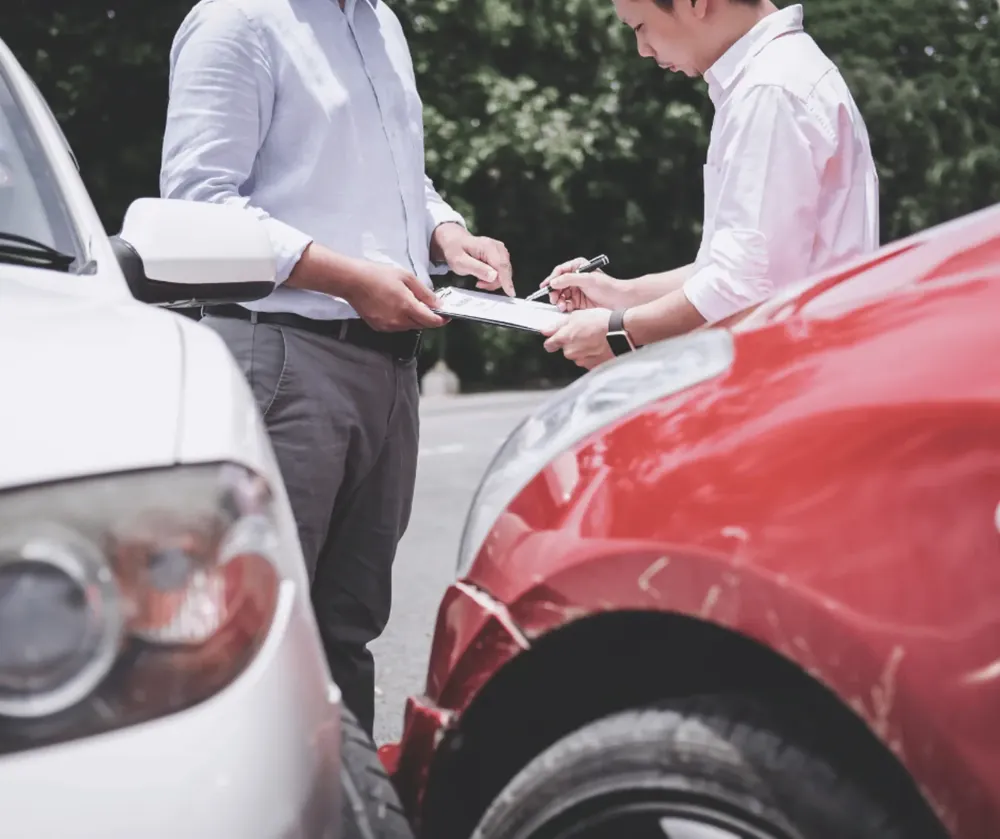
Properly documenting the accident scene can significantly impact the outcome of an insurance claim or lawsuit. Evidence collected immediately after the crash is often the most reliable and persuasive. Start with photos and videos. Capture wide-angle shots of the entire accident scene, including vehicle positions, traffic signals, weather conditions, and surrounding landmarks. Then take close-up images of vehicle damage, license plates, skid marks, broken glass, and visible injuries. Photograph the interior if airbags deployed. Collect witness information. Independent witnesses can provide unbiased accounts of what happened. Write down their names, phone numbers, and brief statements if they are willing. Make written notes while the details are fresh. Record the time, date, location, speed, traffic conditions, and any statements made by the other driver. Avoid speculation-stick to observable facts. Documentation is especially important if fault is disputed. Insurance companies often rely heavily on scene evidence when determining liability percentages.
Document Scene image
Clear records and early action improve claim outcomes.

What to Do Next:

Back up your photos to cloud storage. Keep copies organized and share them with your attorney or insurer when filing your claim.

Frequently Asked Questions

Take more than feels necessary, since scene evidence is often strongest right after the crash and can't be recreated later. Start with wide-angle shots covering vehicle positions, traffic signals, weather, and surrounding landmarks, then move to close-ups of vehicle damage, license plates, skid marks, broken glass, and visible injuries. Photograph vehicle interiors too if airbags deployed. Insurance companies rely heavily on this kind of scene evidence when liability is disputed, so thorough coverage from multiple angles gives your claim a stronger factual foundation.

Recording laws vary by state, and secretly recording someone can create legal problems of its own or backfire if it's inadmissible. Written notes are the safer route: record the time, date, location, speed, traffic conditions, and any statements the other driver makes, sticking to what you directly observed rather than speculation. Note details while they're fresh, since memory fades quickly after a stressful event, and pair those notes with your photos and witness contacts for a complete record.

Use your phone's flash and take extra shots to compensate for poor visibility, since documentation matters even more when conditions are bad. Poor lighting or rain can obscure skid marks, debris, and vehicle damage that would otherwise support your account, so get as many close-up and wide shots as you reasonably can. If visibility is too poor to capture clear images, prioritize written notes on vehicle positions and conditions, then return in daylight if the scene is still accessible.

No. A police report is valuable, but it reflects the responding officer's observations and time at the scene, not the full picture. Your own photos, witness contact information, and written notes fill in details an officer may not capture, such as close-ups of specific damage or a witness who left before police arrived. Insurance companies weigh scene evidence heavily when determining liability percentages, so independent documentation strengthens a claim beyond what the report alone provides.

Get the Compensation You Deserve

Our experienced rear-end collision attorneys are ready to fight for you. No fee unless you win.

Call Now Free Review