Ligament
Learn about Ligament and your legal options after an accident.
Ligament damage occurs when strong bands connecting bones are overstretched or torn during accidents, falls, or sports collisions. Commonly injured areas include knees, ankles, and wrists. Torn ligaments can range from mild sprains to complete ruptures that destabilize the joint. Severe ligament damage may require immobilization, bracing, or surgical repair. Recovery involves physical therapy to restore stability, strength, and flexibility. Untreated injuries or delayed care can cause chronic joint pain, instability, or arthritis. ACL and MCL injuries in the knee are particularly serious, often requiring long-term rehabilitation. Proper documentation of medical treatment, limitations, and missed work is crucial when pursuing compensation.
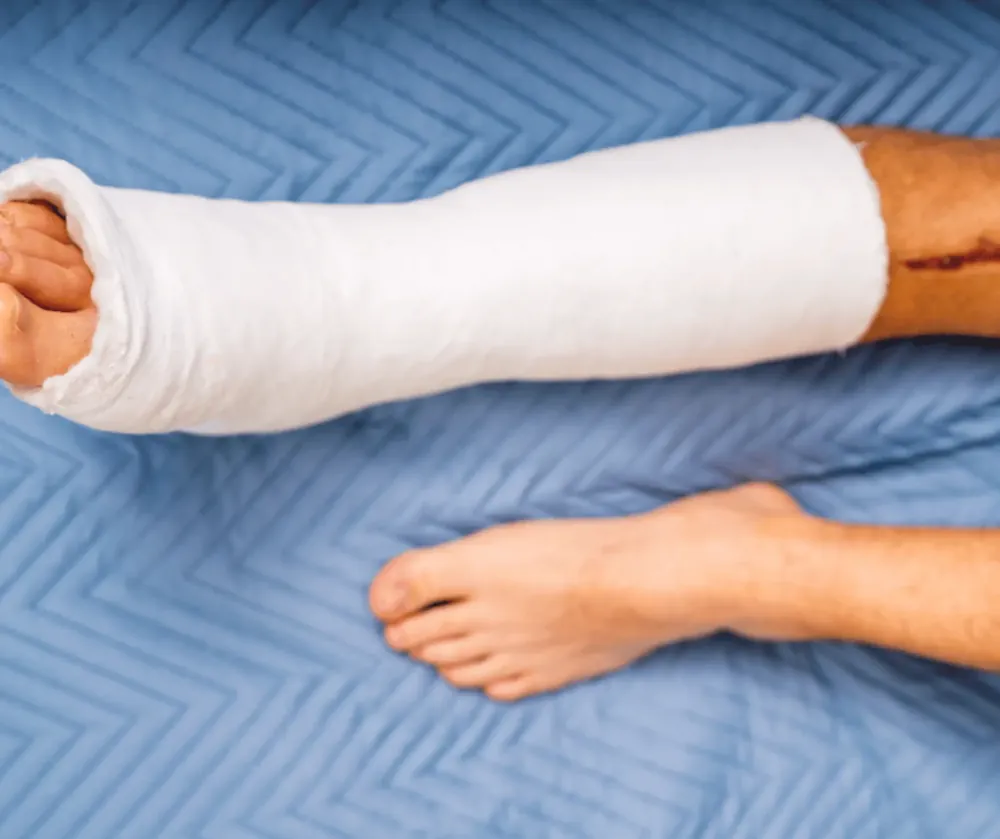
Understanding Ligament Damage From Accidents
Ligament damage occurs when strong bands connecting bones are overstretched or torn during accidents, falls, or sports collisions. Commonly injured areas include knees, ankles, and wrists. Torn ligaments can range from mild sprains to complete ruptures that destabilize the joint.
Severe ligament damage may require immobilization, bracing, or surgical repair. Recovery involves physical therapy to restore stability, strength, and flexibility. Untreated injuries or delayed care can cause chronic joint pain, instability, or arthritis. ACL and MCL injuries in the knee are particularly serious, often requiring long-term rehabilitation. Proper documentation of medical treatment, limitations, and missed work is crucial when pursuing compensation.
What to Do Next
Seek prompt medical care for joint pain, swelling, or instability. Follow therapy and rehabilitation instructions, and document all daily activity limitations, treatments, and missed work for injury claims.
Were you rear-ended by another driver?
Find out how much compensation you may be entitled to.
Types of Ligament

Related Topics
Frequently Asked Questions
Get the Compensation You Deserve
Our experienced rear-end collision attorneys are ready to fight for you. No fee unless you win.

