Sprains Strains
Learn about Sprains Strains and your legal options after an accident.
Sprains and strains are among the most common soft tissue injuries following car accidents, slips, falls, or sports-related incidents. A sprain occurs when ligaments are stretched or torn, while a strain affects muscles or tendons. Even low-speed collisions can generate enough force to cause these injuries, which can range from mild overstretching to severe tears. Sprains and strains often cause swelling, bruising, pain, and reduced mobility. They can involve ankles, knees, wrists, or back muscles and sometimes accompany fractures or other injuries. Severe sprains may require immobilization, while serious strains might necessitate physical therapy or surgery. Recovery can be unpredictable, and delayed treatment increases the risk of chronic pain, joint instability, or re-injury. Accurate documentation of treatment, therapy, and daily limitations is crucial when pursuing compensation.
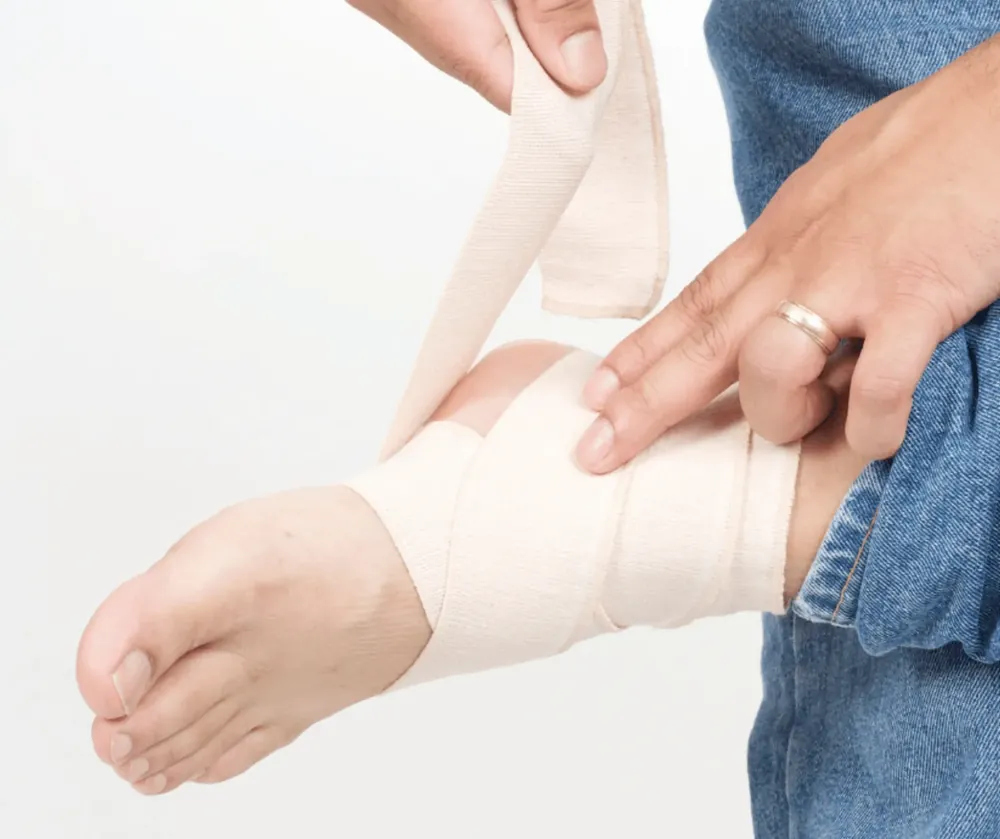
Understanding Sprains and Strains From Accidents
Sprains and strains are among the most common soft tissue injuries following car accidents, slips, falls, or sports-related incidents. A sprain occurs when ligaments are stretched or torn, while a strain affects muscles or tendons. Even low-speed collisions can generate enough force to cause these injuries, which can range from mild overstretching to severe tears.
Sprains and strains often cause swelling, bruising, pain, and reduced mobility. They can involve ankles, knees, wrists, or back muscles and sometimes accompany fractures or other injuries. Severe sprains may require immobilization, while serious strains might necessitate physical therapy or surgery. Recovery can be unpredictable, and delayed treatment increases the risk of chronic pain, joint instability, or re-injury. Accurate documentation of treatment, therapy, and daily limitations is crucial when pursuing compensation.
What to Do Next
Seek a medical evaluation immediately after a suspected sprain or strain. Follow recommended rest, therapy, and rehabilitation instructions. Document all pain, mobility issues, missed work, and treatment to support your injury claim.
Were you rear-ended by another driver?
Find out how much compensation you may be entitled to.
Related Topics
Frequently Asked Questions
Get the Compensation You Deserve
Our experienced rear-end collision attorneys are ready to fight for you. No fee unless you win.

