Tendon
Learn about Tendon and your legal options after an accident.
Tendons connect muscles to bones and can be overstretched or torn during car accidents, falls, or heavy impact trauma. Common tendon injuries involve the shoulder (rotator cuff), elbow, knee (patellar), and Achilles tendon. These injuries may be partial or complete ruptures, often requiring surgical repair. Tendon injuries cause pain, swelling, limited mobility, and weakness. Recovery can be prolonged, with months of rehabilitation or physical therapy needed to restore function. Untreated injuries may lead to permanent impairment, chronic pain, or repeated tears. Accurate documentation of medical care, therapy, and daily limitations is essential in supporting injury claims.
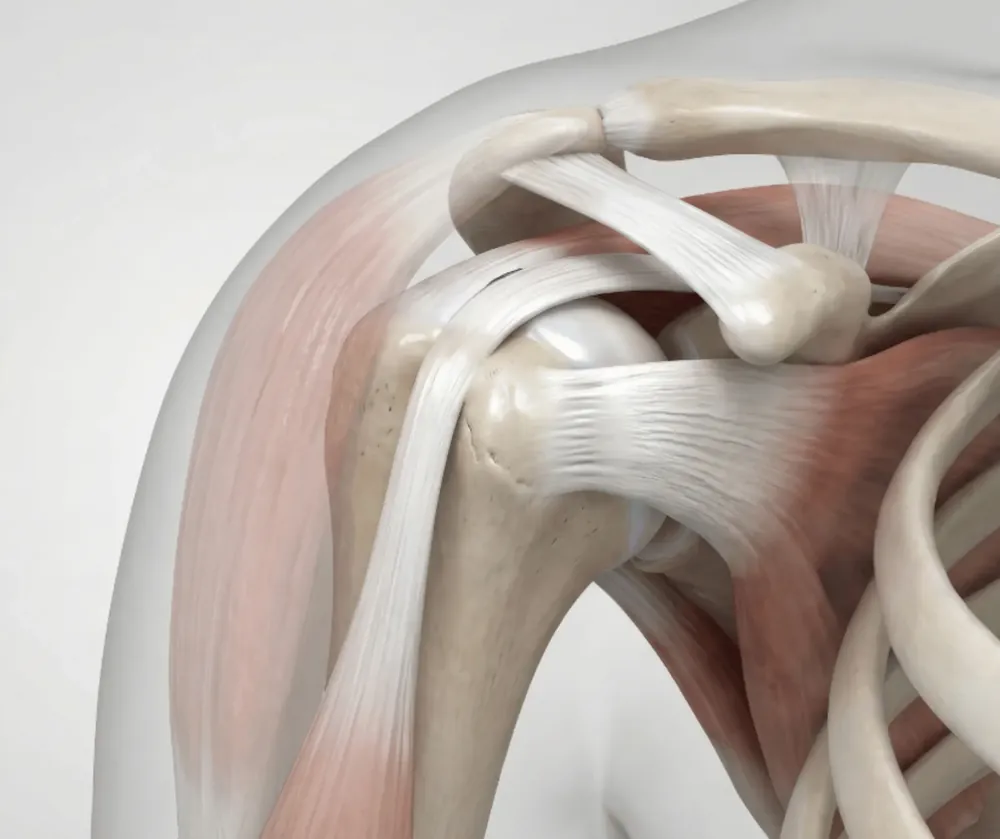
Understanding Tendon Injuries From Accidents
Tendons connect muscles to bones and can be overstretched or torn during car accidents, falls, or heavy impact trauma. Common tendon injuries involve the shoulder (rotator cuff), elbow, knee (patellar), and Achilles tendon. These injuries may be partial or complete ruptures, often requiring surgical repair.
Tendon injuries cause pain, swelling, limited mobility, and weakness. Recovery can be prolonged, with months of rehabilitation or physical therapy needed to restore function. Untreated injuries may lead to permanent impairment, chronic pain, or repeated tears. Accurate documentation of medical care, therapy, and daily limitations is essential in supporting injury claims.
What to Do Next
Seek medical evaluation immediately if tendon pain, swelling, or weakness occurs. Follow rehabilitation protocols and keep detailed records of treatment, therapy, and missed work.
Were you rear-ended by another driver?
Find out how much compensation you may be entitled to.
Related Topics
Frequently Asked Questions
Get the Compensation You Deserve
Our experienced rear-end collision attorneys are ready to fight for you. No fee unless you win.

