Muscle Tears
Learn about Muscle Tears and your legal options after an accident.
Muscle tears occur when fibers in a muscle are overstretched or torn during high-impact collisions, falls, or sudden jerking motions. These injuries are more severe than simple strains and can range from minor partial tears to complete ruptures. Muscle tears often involve the legs, arms, or back muscles. Severe muscle tears may limit strength, flexibility, and range of motion. Recovery often requires rest, immobilization, and physical therapy, while complete ruptures may need surgical intervention. Even after treatment, some victims experience ongoing weakness, pain, or limited functionality. Muscle tears can significantly impact daily activities, work, and athletic participation, making documentation essential for a strong injury claim.
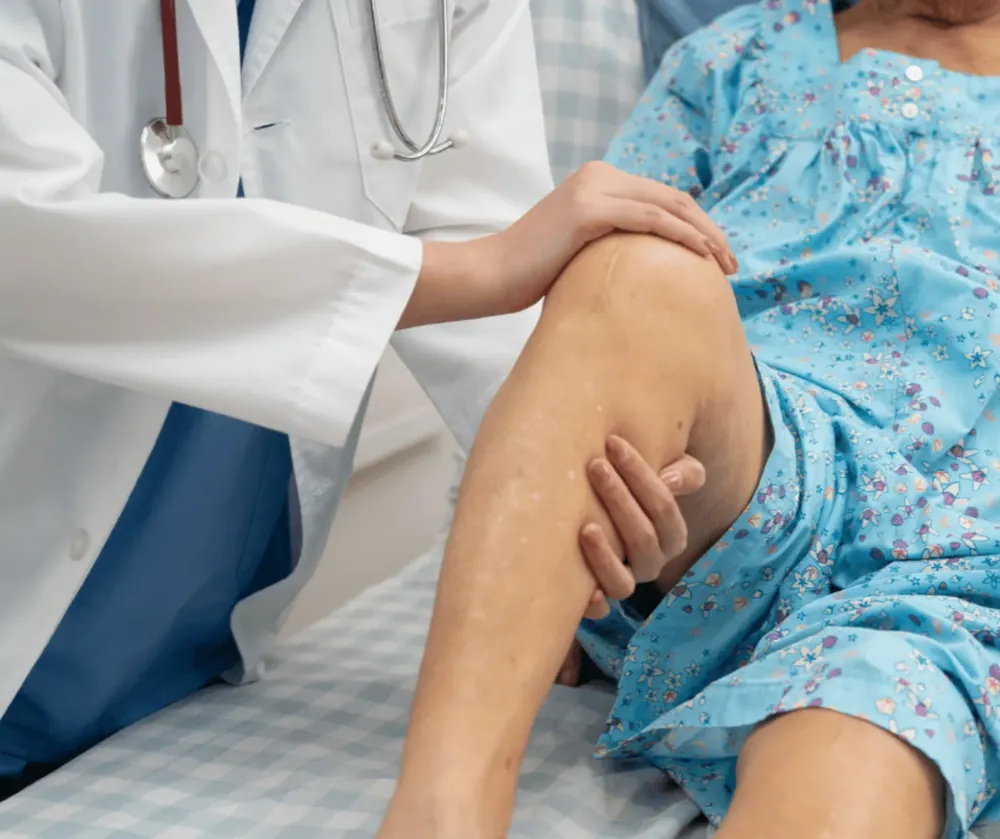
Understanding Muscle Tears From Accidents
Muscle tears occur when fibers in a muscle are overstretched or torn during high-impact collisions, falls, or sudden jerking motions. These injuries are more severe than simple strains and can range from minor partial tears to complete ruptures. Muscle tears often involve the legs, arms, or back muscles.
Severe muscle tears may limit strength, flexibility, and range of motion. Recovery often requires rest, immobilization, and physical therapy, while complete ruptures may need surgical intervention. Even after treatment, some victims experience ongoing weakness, pain, or limited functionality. Muscle tears can significantly impact daily activities, work, and athletic participation, making documentation essential for a strong injury claim.
What to Do Next
Consult a doctor immediately if you suspect a muscle tear. Follow all treatment plans, physical therapy regimens, and keep records of limitations, missed work, and daily challenges.
Were you rear-ended by another driver?
Find out how much compensation you may be entitled to.
Related Topics
Frequently Asked Questions
Get the Compensation You Deserve
Our experienced rear-end collision attorneys are ready to fight for you. No fee unless you win.

