Defective Vehicle Accidents

Mechanical failures and design flaws can lead to serious accidents.

Defective vehicle accidents occur when a mechanical failure, design flaw, or faulty component causes a crash. These accidents can result in serious injuries, property damage, or fatalities. Swift action and a clear understanding of your legal choices are vital.
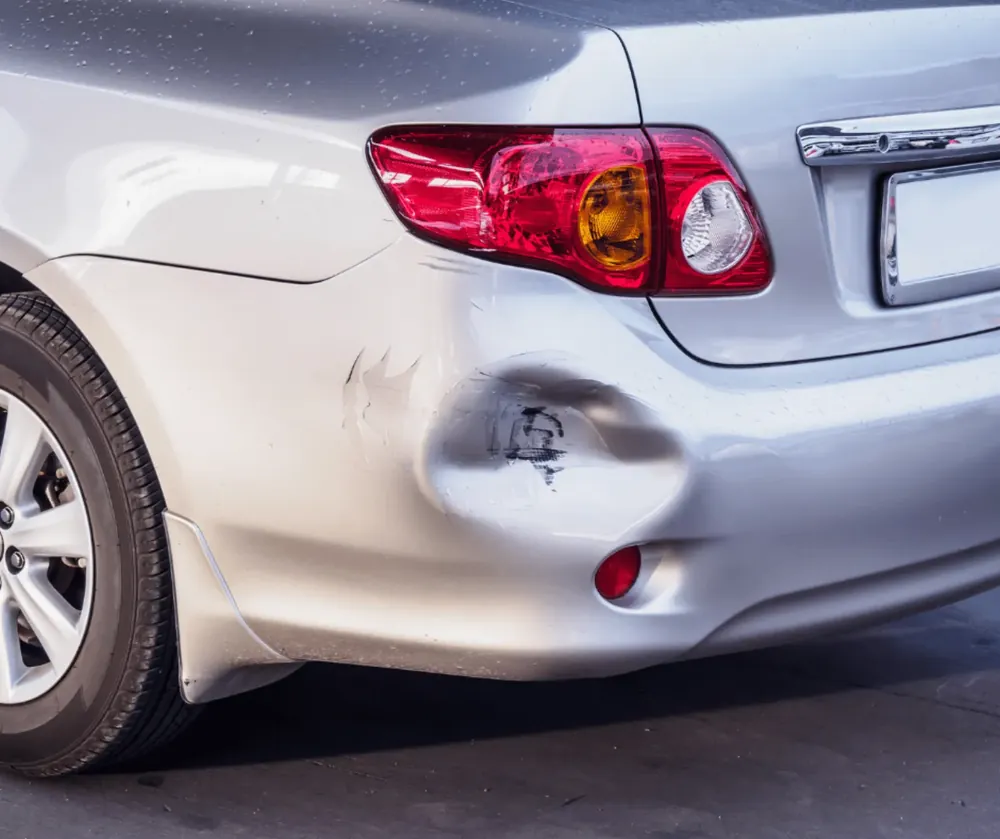
Mechanic inspecting a vehicle component.
Defective parts can create dangerous situations.

Understanding Defective Vehicle Accidents

Vehicle defects can include brakes, tires, airbags, steering components, or other mechanical failures. Determining liability may involve manufacturers, mechanics, or vehicle owners, making claims complex. Proper documentation helps ensure all responsible parties are held accountable.

What to Do Next

  1. Ensure safety and call 911 if needed.
  2. Document evidence, including photos and repair records.
  3. Seek medical attention even for minor injuries.
  4. Consult an attorney to address complex liability issues.

Were you rear-ended by another driver?

Find out how much compensation you may be entitled to.

Frequently Asked Questions

A defective vehicle generally involves a manufacturing flaw, a design defect, or a failure to warn about a known risk that makes a component unreasonably dangerous, common examples include faulty brakes, tire blowouts from defective materials, airbags that fail to deploy or deploy improperly, steering or acceleration malfunctions, and seatbelt failures. Unlike normal wear and tear or driver error, a defect claim centers on whether the part performed as a reasonable consumer would expect given proper use and maintenance.

Yes, if a vehicle defect caused or contributed to your accident, you may be able to file a product liability claim against the manufacturer, parts supplier, or in some cases the dealer, separate from any claim against another driver. These claims often don't require proving negligence in the traditional sense; many states allow strict liability for defective products, meaning the focus is on whether the part was unreasonably dangerous rather than whether the manufacturer was careless. Preserving the vehicle and defective part for inspection is critical evidence.

Yes, document vehicle defects with photos of the failed component, any warning lights or symptoms noticed before the crash, and repair or maintenance records showing the part was properly maintained, which helps rule out driver neglect as the cause. Expert inspection of the failed part is often essential in defect claims, so avoid having the vehicle repaired or scrapped before it can be examined. Recall notices or complaints about the same part model can also support the claim.

Attorney guidance is important for a defective vehicle accident because these claims involve product liability law, which differs from a standard driver-negligence case, and often require expert analysis of the failed component plus coordination with the manufacturer's legal team, which will aggressively defend against defect allegations. An attorney in our network can help preserve the vehicle for inspection, identify whether a recall or prior complaints exist for the same part, and pursue the manufacturer or supplier alongside any claim against another driver.

Get the Compensation You Deserve

Our experienced rear-end collision attorneys are ready to fight for you. No fee unless you win.

Call Now Free Review