Override Crashes
Override crashes happen when a truck rides over a smaller vehicle.
Override crashes can involve braking distance, speed, and driver reaction time.
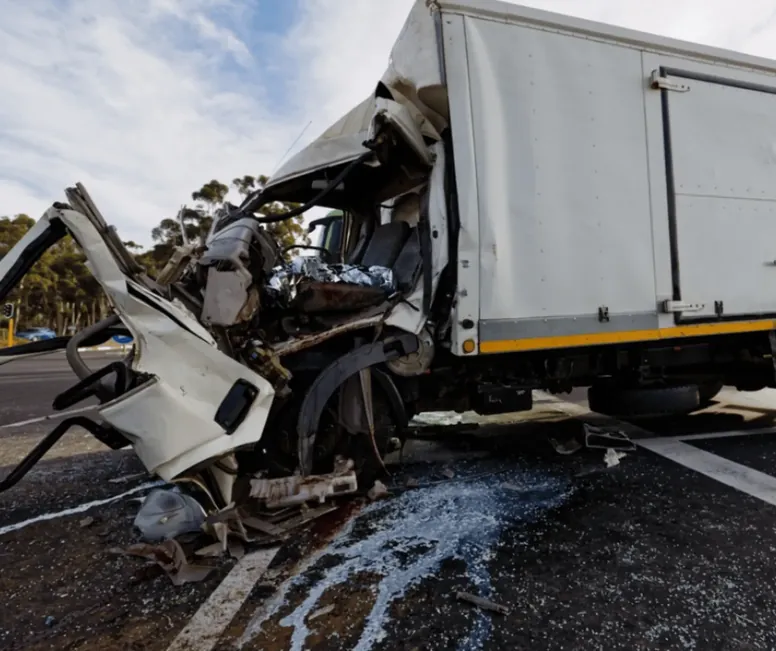
Override Crashes and the Weight Imbalance
An override crash is the inverse of an underride: the truck rides over the top of the smaller vehicle. The result is the same — the occupants of the car bear nearly all the force. The 2024 federal crash file confirms the pattern: 85.3% of people killed in large-truck crashes were not in the truck, and override events are among the reasons why. (Cash4Crashes analysis of NHTSA FARS 2024. Full data: Who Actually Dies in Large Truck Crashes.)
Stopping distance data — the truck's speed, braking response, and following distance — is typically the core evidence in override claims, since these crashes usually begin with the truck failing to stop before reaching a vehicle that was already slowed or stopped ahead.
Related Topics
Frequently Asked Questions
Get the Compensation You Deserve
Our experienced rear-end collision attorneys are ready to fight for you. No fee unless you win.

