Tanker Truck Accidents
Tanker crashes can involve hazardous materials and rollover risks.
Tanker truck accidents often involve liquid cargo that shifts during turns or stops. Claims may involve carrier policies and safety compliance.
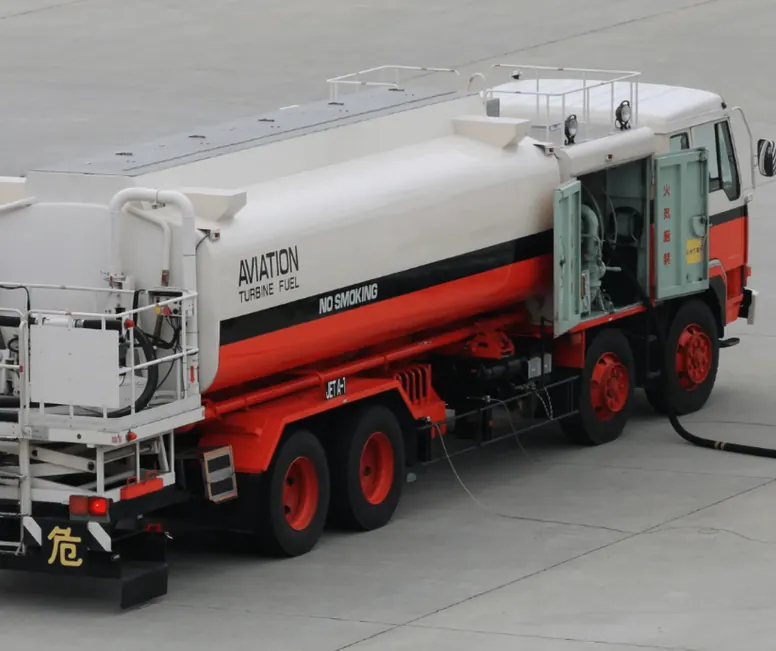
The Asymmetry Behind Tanker Crash Severity
Tanker trucks routinely exceed 80,000 lbs when loaded. The 2024 federal crash data reflects the consequence: 85.3% of people killed in Class 8 crashes were not in the truck. In tanker incidents, that asymmetry can compound — a rollover or cargo release affects a wide area, and the cars and people nearby absorb the outcome. (Cash4Crashes analysis of NHTSA FARS 2024. Full data: Who Actually Dies in Large Truck Crashes.)
Cargo-related incidents may also invoke hazmat regulations separately from standard truck safety rules. Identifying all applicable compliance frameworks early helps build the full liability picture.
Related Topics
Frequently Asked Questions
Get the Compensation You Deserve
Our experienced rear-end collision attorneys are ready to fight for you. No fee unless you win.

