Garbage Truck Accidents
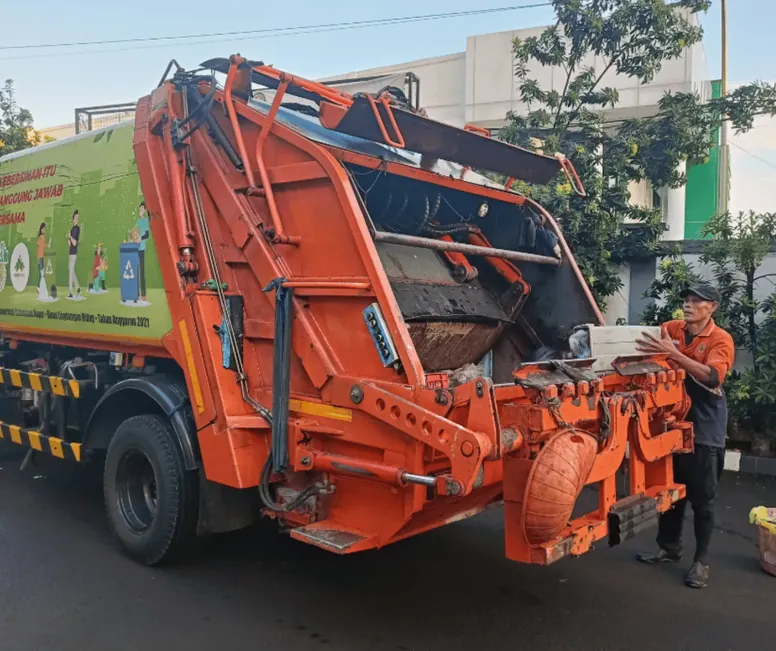
Garbage trucks operate on tight neighborhood routes and make frequent stops.
Garbage truck crashes can involve blind spots, frequent stops, and heavy equipment. Liability may involve municipal services or private contractors.
Weight Disparity and Who Gets Hurt
Garbage trucks are among the heaviest vehicles on residential roads. The federal crash record for 2024 shows that 85.3% of people killed in large-truck crashes were outside the truck — in the smaller vehicle, on foot, or on a bicycle. Garbage truck crashes cluster in exactly the environments where pedestrians and cyclists are present: neighborhood streets, school zones, and narrow residential lanes. (Cash4Crashes analysis of NHTSA FARS 2024. Full data: Who Actually Dies in Large Truck Crashes.)
Whether the truck was operated by a private contractor or a municipal service affects which insurance or government notice rules apply — a distinction worth clarifying early.
Related Topics
Frequently Asked Questions
Get the Compensation You Deserve
Our experienced rear-end collision attorneys are ready to fight for you. No fee unless you win.

