RV / Motorhome Accidents

RV crashes involve large vehicles, complex liability, and serious injuries.

RV and motorhome accidents involve large recreational vehicles that pose serious risks due to size, weight, and limited maneuverability. These crashes often result in severe injuries and complex liability issues.
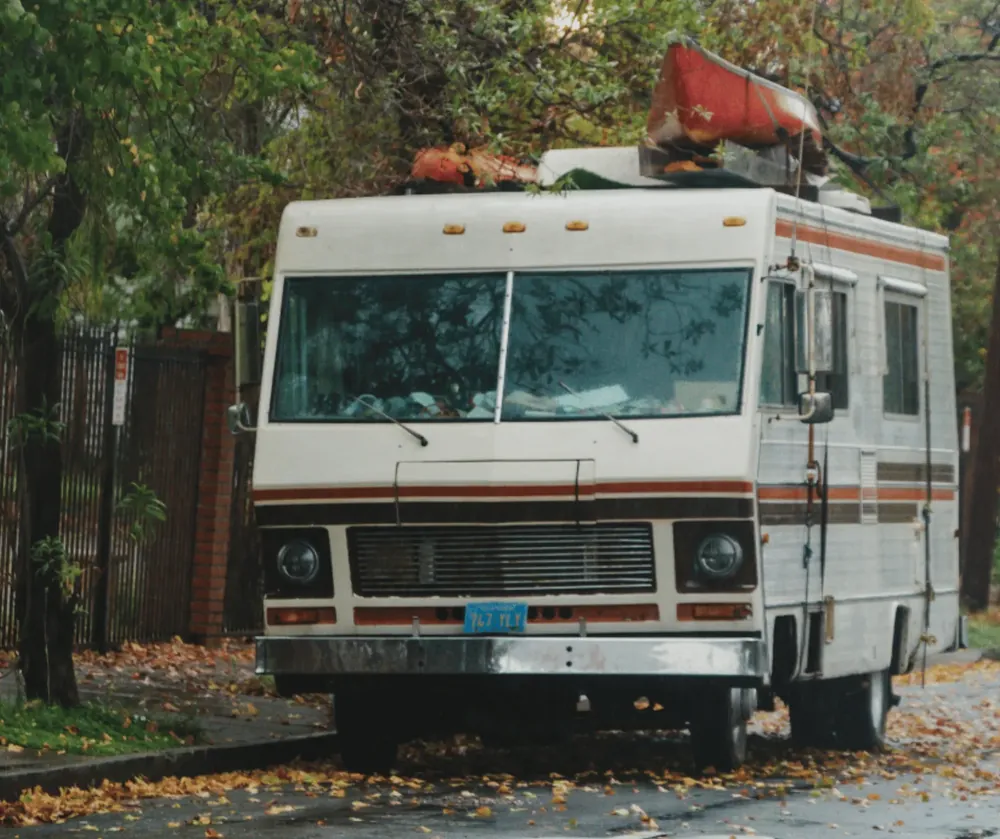
Motorhome traveling on a highway.
RV crashes can involve severe injuries and complex liability.

Understanding RV / Motorhome Accidents

RV accidents may be caused by driver inexperience, mechanical failures, tire blowouts, or improper loading. Injuries can include fractures, head injuries, and crush injuries. Liability may rest with the RV driver, rental company, manufacturer, or maintenance provider. Insurance coverage often involves commercial or specialty policies, making claims more complex than standard car accidents. A thorough investigation helps identify responsible parties and pursue compensation for medical care, lost income, and long-term impairment.

Frequently Asked Questions

RV accidents share some basics with car accidents but often involve different insurance and liability rules due to the vehicle's size, weight, and how it's used. Depending on the RV's classification, coverage may come from a specialized motorhome policy rather than a standard auto policy, and towed trailers can add additional layers of liability. Rented RVs bring in the rental company's coverage and contract terms as well. Because these factors vary by RV type and ownership structure, each case requires identifying which specific policies and rules actually apply.

Yes, RV rental companies can be held liable, especially when a maintenance failure — worn brakes, tire blowouts from underinflation or age, faulty steering, or unaddressed mechanical issues — contributed to the crash. Rental companies have a duty to inspect and maintain their fleet before handing an RV over to a renter. Maintenance and inspection records are key evidence in these cases, and many rental agreements include liability waivers or arbitration clauses that can affect how a claim against the company is pursued.

Yes, an RV's size and weight can factor into how fault is assessed, since larger, heavier vehicles have longer stopping distances, larger blind spots, and require more careful maneuvering, and drivers are generally expected to operate them with a level of care proportionate to those risks. An RV driver who fails to account for these factors — following too closely, making an unsafe lane change, or misjudging a turn — may be found more clearly at fault than in an equivalent passenger car crash, particularly if the RV's size directly contributed to the collision.

Yes, RV accidents often benefit from a professional investigation because they tend to be more complex and severe than typical car crashes — involving larger vehicles, potential mechanical or maintenance issues, multiple insurance policies (personal, rental, or commercial), and sometimes towed trailers. An investigation can include inspecting the RV itself, reviewing maintenance and rental records, and reconstructing how the vehicle's size and handling characteristics contributed to the crash, all of which are harder to assess without a thorough, dedicated review.

Get the Compensation You Deserve

Our experienced rear-end collision attorneys are ready to fight for you. No fee unless you win.

Call Now Free Review