Boat / Watercraft Accidents

Watercraft crashes can involve maritime rules and complex liability.

Boat and watercraft accidents occur on lakes, rivers, and coastal waters and often involve serious injuries or fatalities. These accidents raise unique maritime and state law issues.
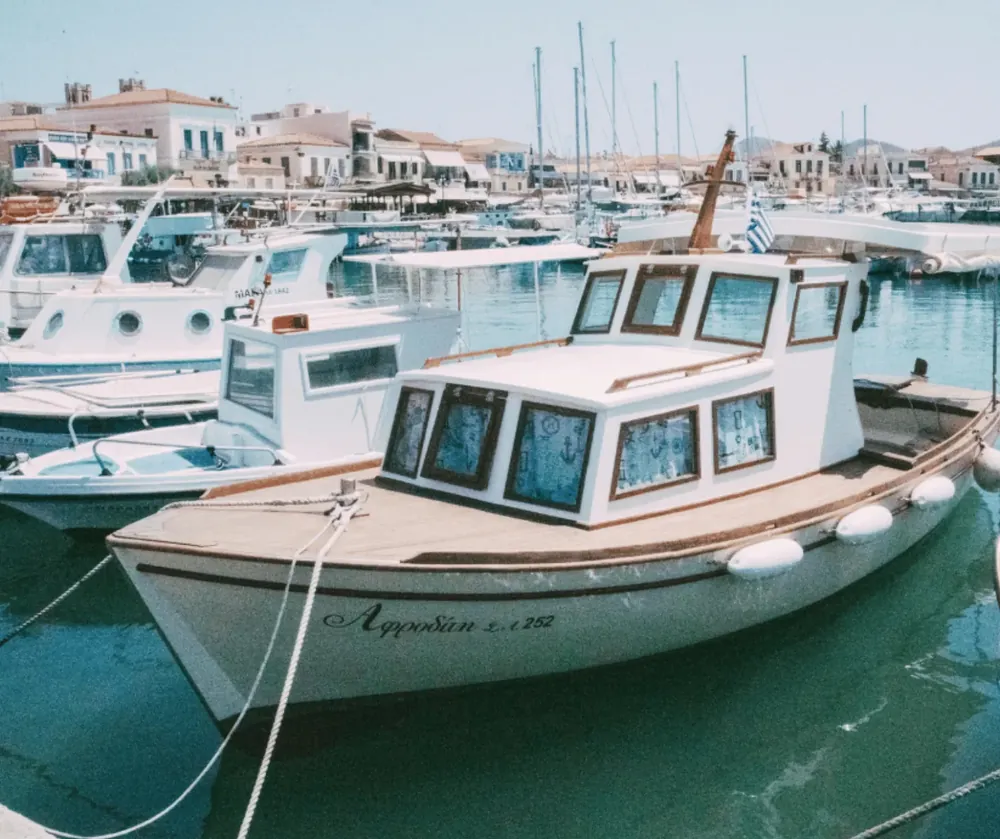
Boat on open water.
Watercraft crashes can involve maritime and state law issues.

Understanding Boat / Watercraft Accidents

Watercraft accidents may be caused by operator inexperience, speeding, intoxication, or equipment failure. Injuries often include drowning, head trauma, and spinal injuries. Liability may involve boat operators, rental companies, manufacturers, or marina operators. Investigations often rely on marine reports, witness statements, and safety compliance records. Claims may be governed by maritime law or state law, depending on location. Proper legal handling ensures victims pursue compensation for medical costs, property damage, and long-term recovery.

Frequently Asked Questions

Sometimes. Boating accidents that occur on navigable waters — generally waters usable for interstate or international commerce, including many rivers, lakes, and coastal areas — can fall under federal maritime law, which has its own liability rules and damages framework distinct from ordinary state personal injury law. Accidents on smaller, purely intrastate lakes or ponds are more likely to be governed by state law alone. Because the applicable body of law depends heavily on where the accident happened, the specific waterway matters to how the claim is handled.

Yes, boating under the influence is one of the most significant factors in watercraft accident liability. An operator found to be impaired at the time of the crash is typically presumed negligent, and evidence of alcohol use — field sobriety results, blood alcohol testing, or witness accounts of drinking before or during the outing — can substantially strengthen a claim against them. Many states also allow for enhanced damages in cases involving intoxicated boat operators, reflecting how seriously courts treat impaired operation of a watercraft.

Liability for injuries on a rental boat can fall on several parties depending on the cause: the rental company if the boat was poorly maintained or had a mechanical defect, the operator (whether that's you, a friend, or a hired captain) if reckless or negligent operation caused the crash, or another boater if a separate vessel was at fault. Rental agreements often include liability waivers or arbitration clauses, so reviewing the specific rental contract signed before the trip is an important step in identifying who may be responsible.

Yes, boating accidents are often legally required to be reported, particularly when they involve injury, death, or significant property damage — most states require a report to the state boating authority or Coast Guard within a set number of days, sometimes as little as 48 hours for serious incidents. Beyond the legal requirement, a timely report creates an official record of what happened, which becomes important evidence when pursuing a claim against another operator, a rental company, or an insurer.

Get the Compensation You Deserve

Our experienced rear-end collision attorneys are ready to fight for you. No fee unless you win.

Call Now Free Review