Golf Cart Accidents

Golf cart crashes can cause serious injuries despite low speeds.

Golf cart accidents occur in residential communities, resorts, campuses, and golf courses, often resulting in unexpected injuries. Despite their low speed, golf carts can cause serious harm due to limited restraints and lack of safety features.
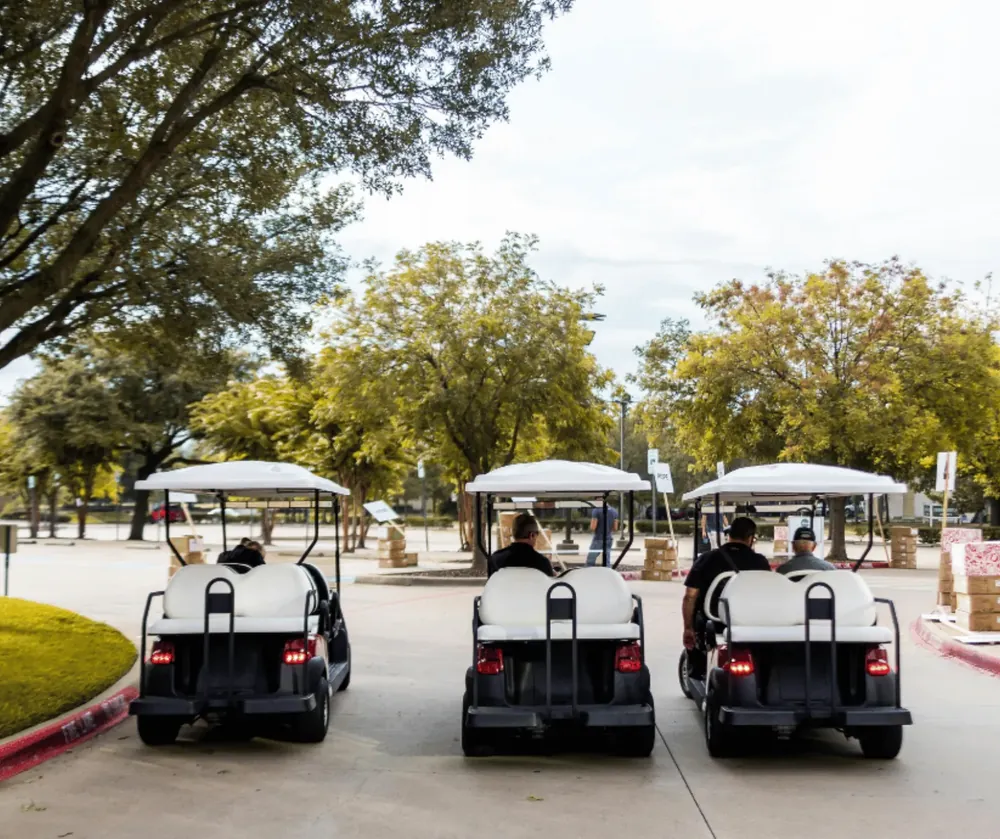
Golf cart traveling on a community path.
Limited restraints can increase injury severity.

Understanding Golf Cart Accidents

Golf cart accidents may involve rollovers, passenger ejections, collisions with vehicles, or pedestrian impacts. Injuries often include fractures, head trauma, and soft tissue damage. Liability may fall on the cart driver, property owner, golf course operator, or cart manufacturer. Because golf carts are often used on private property, standard traffic laws may not apply, making claims more complex. Insurance coverage may come from homeowner policies, commercial liability insurance, or specialty vehicle coverage. A thorough investigation helps identify responsible parties and ensures injured victims pursue full compensation for medical costs and recovery needs.

Frequently Asked Questions

Not always — many states classify golf carts as low-speed vehicles rather than standard motor vehicles, and some don't require them to be registered or insured at all when used only on private property or golf courses. This classification affects which insurance policy responds after a crash: a driver's auto policy, a homeowner's policy, or the golf course's liability coverage may apply depending on the state and where the accident happened. Because golf cart rules vary widely, the specific classification in your state shapes how a claim is evaluated.

Yes, a golf course can be held responsible for a golf cart accident if unsafe conditions on the property contributed to the crash, such as poorly maintained cart paths, blind curves without warning signage, steep or eroded terrain, or a golf cart with known mechanical problems that the course continued to rent out. This falls under premises liability, which requires the course to keep the property and its rented equipment reasonably safe. Photos of the path or terrain and maintenance records are often key evidence in these claims.

Golf cart accidents don't always require a police report, especially when they happen entirely on private property like a golf course, since many jurisdictions only mandate reports for crashes on public roads. Even when not legally required, calling police or at least notifying the golf course or property manager creates an official record of the incident. Photos of the cart, the terrain, and any injuries, along with witness contact information, help fill the documentation gap and strengthen a claim in the absence of a formal report.

Golf cart passengers often have significantly less protection than occupants of a standard car — most carts lack seatbelts, doors, airbags, and a rigid enclosed frame, which increases the risk of ejection or impact injury even in relatively low-speed collisions or rollovers. This lack of protection means injuries can be disproportionately severe relative to the speed involved. If a driver's negligence, a defective cart, or unsafe course conditions caused the crash, an injured passenger can generally pursue a claim just as an injured driver could.

Get the Compensation You Deserve

Our experienced rear-end collision attorneys are ready to fight for you. No fee unless you win.

Call Now Free Review